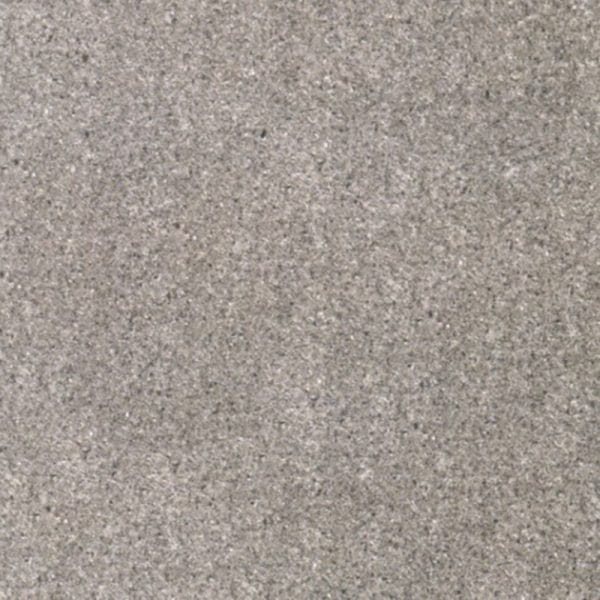
Sandstone: What We Supply
Sandstone is a sedimentary rock made of cemented sand grains, sold as paving, wall cladding, steps and coping in beige, red, brown, grey and multi-color ranges. Importers, architects and project buyers specify it for patios, driveways, facades and garden walls where warm natural color, reliable slip resistance and moderate cost matter.
We supply sandstone as calibrated paving in mixed-size sets, wall cladding panels, stair treads, copings, garden wall blocks and pool surrounds. Current material includes grey sandstone and sandstone stair treads; the wider program covers beige, buff, red, brown and multi-color families from Chinese and Indian production. Chinese stone is quarried in Sichuan, Yunnan and Shandong and processed in Fujian and Shandong, then shipped FOB Xiamen or Qingdao. Indian material ships FOB Mundra or Kandla.
Two blocks with the same color name can differ in cement type, absorption, density and frost behavior. Our quotation therefore separates the cement family, quarry region, format, finish, thickness and packing specification. A buyer who compares only color and price is comparing incomplete offers.
What Sandstone Is and Why It Behaves the Way It Does
Sandstone forms when sand grains, primarily quartz, are compressed and cemented together over millions of years. The grains give the stone its hardness and grain; the cement determines how the block behaves outdoors. Silica, calcium carbonate, iron oxide and clay minerals each produce a different balance of strength, porosity and acid sensitivity.
That structure explains the working character. Sandstone is easier to cut and shape than granite, which matters for steps, copings and carved details. It is also more porous than granite or marble, so it takes a sealer and a maintenance routine. Porosity runs from 5% - 25% and water absorption from 1% - 8%, a spread wide enough that one generic specification cannot cover every source. Color is the first decision for design; cement type is the first decision for durability.
Sandstone Types by Cement and Mineral
The cement that binds the grains predicts exterior performance more reliably than color.
| Type | Cementing mineral | Hardness | Character | Typical use |
|---|---|---|---|---|
| Quartz sandstone | Silica | High (6-7 Mohs) | Most durable, weather-resistant, harder to work | Exterior paving, cladding, high-traffic areas |
| Calcareous sandstone | Calcium carbonate | Medium (3-4 Mohs) | Easier to cut and carve, warm colors, acid-sensitive | Interior wall cladding, decorative carvings |
| Ferruginous sandstone | Iron oxide | Medium-High | Rich reds and browns, good durability, may stain adjacent materials | Feature walls, landscaping, heritage projects |
| Argillaceous sandstone | Clay minerals | Low-Medium | Softest, easiest to work, least durable outdoors | Interior only, decorative uses |
Quartz sandstone is the specification for exterior work that must hold up to rain, frost and foot traffic. Calcareous sandstone suits carvers and interiors but not acid-exposed or freeze-thaw exteriors. Ferruginous sandstone brings heritage reds and browns, with a caveat: it can stain adjacent light materials when water runs across it. Argillaceous sandstone, the clay-cemented material behind the historic brownstone tradition, erodes over decades in harsh climates and belongs indoors.
Ask which family a quoted stone belongs to. The answer says more about service life than any trade name or color photograph.
Color Families and Quarry Sources
Sandstone color comes from its cement and mineral content. Iron oxides produce reds and browns, clean quartz sand produces creams and whites, and mineral impurities create greys and multi-color bands.
Beige and cream is the most versatile family. It suits traditional and contemporary design, reads well against planting, and is exported at volume from India and China. Indian "rainbow sandstone" is a beige base with pink, brown and cream bands.
Red and brown sandstone comes from iron-rich deposits. Indian red sandstone from Agra and Rajasthan is the world's most exported colored sandstone, used at the Red Fort and shipped for paving and cladding. Grey sandstone runs from light silver-grey to dark charcoal and suits modern, urban design. White and ivory sandstone gives a pale neutral surface for minimalist work. Yellow and gold sandstone, including Australian Sydney sandstone, carries a luminous quality in sunlight and commands a premium over beige. Multi-color and rainbow sandstone brings dramatic bands to feature walls and statement paving, at higher cutting waste because every piece reads differently.
| Region | Character | Colors | Notable use |
|---|---|---|---|
| India (Rajasthan, Agra) | Dense, fine-grained | Beige, brown, red, rainbow | The world's largest sandstone exporter; paving and cladding |
| China (Sichuan, Yunnan, Shandong) | Varied; processed for export | Grey, beige, brown, red | Paving, wall cladding, garden stone |
| Australia (Sydney area) | Dense, consistent | Cream, yellow, grey | Iconic Sydney sandstone; premium domestic use |
| UK (Yorkstone, Pennant) | Dense, durable | Buff, brown, grey | Historic paving; reclaimed Yorkstone is prized |
| Brazil (various) | Fine-grained | Multi, blue-grey | Premium slabs for cladding |
| Pakistan (Salt Range) | Dense | Red, brown | Growing export source for paving |
Named varieties include Teakwood and Rainbow, Autumn Brown, Mint and Modak, Kandla Grey, Red Sandstone and White or Ivory Sandstone. Treat these as commercial names rather than geological definitions. View the sample in the lighting where it will be installed, because outdoor stone changes between overcast and full sun.
Formats We Supply
Format is a fabrication and price decision. The same block sold as a calibrated paver, a cladding panel or a finished tread carries different processing cost, packing weight and site labor.
| Format | Typical specification | Procurement note |
|---|---|---|
| Paving slabs | 22-30mm (calibrated) or 25-40mm (natural); 60×60, 60×90 and 60×120cm, plus mixed-size sets | Calibration removes thickness variation; specify tolerance |
| Wall cladding panels | 20-40mm panels; 20-30mm exterior, 15-20mm interior | Exterior work needs dense, low-absorption stone and a fixing design |
| Stair treads | 30-40mm with bullnose or chiseled edge | Treads are cut to the stair drawing, not to a stock size |
| Copings and wall caps | Bullnose, weathered and flat profiles | Match the coping profile and wall block on one drawing |
| Garden and retaining wall blocks | Random rubble, squared or dimensional; 300mm+ for walls over 1m | Retaining walls need engineering and concrete footings |
| Pool surrounds | 25-30mm, sandblasted or natural cleft | Light colors stay cooler underfoot than dark colors |
Calibrated paving is ground to a uniform thickness within ±2mm. Calibration adds $3-8/m² and removes lippage, which is why it is specified for indoor work and premium outdoor schemes. Natural cleft paving keeps the sawn variation and costs less, but the installer must sort and bed each piece. Mixed-size sets create a non-repeating patio at a lower cost per square meter than uniform large slabs; the factory bundles pieces by size so the laying pattern can be reproduced.
Finishes: Cleft, Riven, Honed and Tumbled
Natural cleft is the split surface as quarried: textured, rustic and the most affordable option. It offers excellent slip resistance and hides staining better than a smooth surface, which is why it dominates exterior paving. Riven is machine-split to a more consistent texture and is the most popular patio choice. Honed is a smooth matte surface for interior floors, wall cladding and indoor-outdoor transitions; outdoors it needs sealing. Sandblasted gives a uniform fine texture that retains natural color and good slip resistance. Tumbled or antique finishes distress the edges for heritage work.
Polished is rare for sandstone. Only dense quartz sandstone takes a true polish; most sandstone is too porous, and a polished exterior surface loses grip when wet. Flamed texturing is available on some dense sandstones but should be verified on the actual block.
For paving, use natural cleft or riven on patios, sandblasted or cleft around pools, and honed only where the design needs a smoother indoor-outdoor transition. Approve the finish on the actual stone under final lighting; a honed and a cleft surface from the same block can read as different materials in one room.
Thickness Selection for Patios, Driveways and Steps
Thickness is the most misunderstood paving specification. Thicker stone does not rescue a weak base. The working rule is 22mm on mortar for patios, 30mm on sand for flexible patios and light driveways, and 50mm for real vehicle traffic.
| Thickness | Application | Base required |
|---|---|---|
| 20-22mm | Pedestrian paths, light patios | Full mortar bed or 100mm compacted hardcore plus 25mm sand |
| 30-32mm | Standard patios, driveways with the correct base | 100-150mm compacted hardcore plus 30mm sand, or mortar |
| 40-50mm | Driveways, commercial and public space | 150mm compacted hardcore minimum |
| 50mm+ setts and cubes | Heavy traffic, heritage streets | 150-200mm engineered base |
The most common driveway failure, cracked pavers, comes from 22mm stone on an inadequate base rather than from the stone itself. When in doubt, upgrade the base before upgrading the thickness. Sandstone driveways work at 30-40mm only on flawless bases in mild climates; the softer stone chips under tire edge loads. For regular vehicle use, specify 30mm or thicker material, a compacted sub-base of 100-150mm and a sealed surface.
Outdoor steps follow the same dimensional logic as interior stairs: riser height 100-180mm, tread depth 280-350mm, consistent risers, a 1-2% tread slope, 30-50mm tread thickness and frost-resistant footings. Sandstone steps suit mild climates; in hard frost regions, confirm batch absorption before committing.
Paving Patterns, Joints and Installation
Patterns fall into four groups. Running bond uses one size throughout. Mixed-size rectangle layouts combine 60×60, 60×90 and 60×120cm pieces, or a four-size set of 600×900mm, 600×600mm, 600×300mm and 300×300mm, in a repeating but non-obvious sequence. Coursed layouts give a formal look. Crazy paving uses irregular cleft offcuts and suits cottage gardens at higher labor cost. Large-format slabs of 80×80cm and larger create a clean modern patio but demand a flawless base. Stepping stones of 300-600mm at 600-700mm center-to-center make informal garden paths.
Specify 10-15mm joints filled with kiln-dried sand or mortar, a 1-2% fall for drainage and an edge restraint. Mortar joints suit rigid installations; open sand-filled joints allow drainage and movement, the modern permeable approach. Sandstone paving installs on a full mortar bed, the most common and durable method, or on a pedestal system for roof terraces.
Order paving from one quarry batch and keep a dry-lay photograph, because mixed-size sets lose their intended look when pieces come from batches with different tones. Lay from a corner, maintain joint width with spacers, check level every course and cut edge pieces with a diamond blade. Keep traffic off the finished surface for the curing period stated by the mortar supplier.
Wall Cladding and Building Stone
Sandstone cladding panels typically run 20-40mm and bring warm, natural tones to a facade. Dense, low-absorption sandstone is the exterior specification. Panels over 20mm and any work above ground level call for mechanical anchors; adhesive is limited to thin veneers at low height. Specify mechanical fixing where panels exceed 20mm or 1.2m height, and engage a structural engineer for anything above one story.
Two absorption benchmarks circulate, and they answer different questions. For freeze-thaw cladding, our wall cladding guide gives a general criterion of absorption below 0.5%. For sandstone paving, our paving guide gives an exterior grade benchmark of absorption below 5%. The first is a general stone benchmark for demanding cladding; the second is a sandstone-specific grading line. Confirm which criterion the project requires, and test the batch rather than a catalog average.
Interior cladding panels commonly run 15-20mm. The stone reads warmer than granite or marble, which is why it appears on hospitality feature walls and entry walls. Seal exterior cladding every 12-18 months with a breathable sealer.
Building stone follows the same logic in a heavier format. Random rubble, squared and dimensional blocks build garden and boundary walls. Retaining walls over 1m need engineering and 300mm+ thick blocks on concrete footings; dry-stacked walls suit low borders and allow drainage.
Performance Data and Exterior Grading
Sandstone properties vary widely by source, and the variation is the point. These ranges are planning references, not a substitute for batch testing.
| Property | Typical range | Why it matters |
|---|---|---|
| Density | 2,100 - 2,600 kg/m³ | Lighter than granite; affects handling and load calculations |
| Water absorption | 1% - 8% (varies by cement) | High absorption requires sealing for outdoor use |
| Compressive strength | 30 - 140 MPa | Varies widely by source; verify for load-bearing uses |
| Mohs hardness | 6 - 7 (quartz grains) | Hard grains, but the cement between them can erode |
| Freeze-thaw resistance | Good to poor (by type) | Critical for cold-climate exterior use |
| Slip resistance | Good (natural cleft and riven surfaces) | Excellent for paving when not polished |
| Porosity | 5% - 25% | Determines staining and sealing requirements |
For exterior grade sandstone, the reference targets are density of 2,400+ kg/m³ and absorption below 5%. Dense silica-cemented stone resists weathering, acid rain and freeze-thaw better than limestone, which is calcite-based, dissolves slowly in acidic conditions and is softer.
Test reports should identify the block or production lot. ASTM C97 covers absorption and density and is the report to request for exterior paving and cladding. A catalog average is not batch evidence.
Sandstone Compared with Granite, Limestone, Slate and Porcelain
Sandstone competes on warmth and value, not hardness. It is softer, easier to work and 20-40% less expensive than comparable granite. That advantage makes sandstone the default for large exterior areas where granite would break the budget.
| Material | Installed cost (paving, per sq ft) | Exterior durability | Slip resistance |
|---|---|---|---|
| Sandstone | $15 - $35 | Good (dense types) | Excellent (cleft) |
| Granite | $25 - $60 | Excellent | Good (flamed) |
| Limestone | $20 - $45 | Moderate | Good (honed) |
| Porcelain pavers | $15 - $40 | Excellent | Good (textured) |
The installed cost gap between sandstone and granite paving is typically 30-50%, and sandstone paving costs roughly 40-70% of granite paving at equivalent quality. Compressive strength tells part of the story: granite reaches 19,000+ psi while sandstone runs 3,000-8,000 psi. For pedestrian paving, garden walls and residential driveways on a proper base, sandstone is adequate. For heavy vehicle traffic, granite setts are the professional choice.
Against limestone, sandstone is generally more durable and has better slip resistance, while limestone offers lighter, more uniform colors. Against slate, slate is denser, less porous and available in darker colors; sandstone offers warmer earth tones that slate cannot match. Against bluestone, a dense blue-grey sandstone from the US Northeast and Australia, standard sandstone is lighter in color, slightly less dense and lower in cost.
Against porcelain, natural stone wins on longevity and authenticity while porcelain wins on zero maintenance. Dense silica-cemented sandstone lasts 50-100+ years outdoors when properly specified and sealed. Soft clay-cemented sandstone may show erosion within 10-20 years in harsh climates. The deciding factors are cement type, freeze-thaw exposure and sealing discipline.
Care and Maintenance
Sandstone is more porous than granite or marble, so sealing belongs in the specification. Apply a penetrating sealer immediately after installation, then reapply every 12-18 months depending on exposure and traffic. Use a breathable silane or siloxane-based sealer so moisture vapor can escape. In light-exposure situations the interval can extend to 1-3 years, but a freeze-thaw climate or a busy entrance justifies the shorter cycle.
Clean with a pH-neutral stone cleaner. Acidic cleaners such as vinegar, citrus or muriatic acid etch calcareous sandstone and dissolve the cement between grains. Avoid de-icing salts on paving; use sand or gravel for traction. Pressure washing above 1500 PSI strips sealer and erodes soft stone joints.
Efflorescence, the white powdery deposit on new paving, is cosmetic and usually disappears within 6-12 months of weather exposure or brushes off. Persistent efflorescence signals a drainage problem, so fix the water source rather than treating the surface. Moss in shaded areas should be treated with a stone-safe biocide, not bleach. Outdoors, sandstone develops a natural patina as the surface weathers; this is the material's character, not damage.
Sourcing Sandstone from China and India
Indian and Chinese sandstone dominate the volume market and answer different briefs. Indian sandstone from Rajasthan and Agra is dense and fine-grained, with beige, brown, red and rainbow colors, and ships FOB Mundra or Kandla. Container-load paving runs $15-35/m². Quality varies by quarry, so request density and absorption data and target density of 2,400+ kg/m³ with absorption below 5% for exterior grade.
Chinese sandstone covers grey and beige families quarried in Sichuan, Yunnan and Shandong and processed in Fujian and Shandong. FOB Xiamen or Qingdao pricing runs $15-30/m² for paving. Chinese processors offer cut-to-size steps, copings and cladding panels with tighter tolerances than many Indian suppliers.
For both sources, verify the cement family, request a container-load dry-lay photograph and confirm thickness tolerance of ±2mm for calibrated paving. Calibration adds $3-8/m² but eliminates lippage and is worth specifying for indoor and premium outdoor work. Ask for ASTM C97 absorption and density reports tied to the production lot, and confirm ISPM-15 treatment for crates.
The trade-off in the low-price segment is quality spread. "Indian sandstone" covers export-grade dense stone and soft local grades that fail exterior use, and the same is true of Chinese grey and beige. A supplier who can name the quarry, the cement family and the batch is offering a different product.
Pricing: FOB, Installed and What Moves the Number
Sandstone pricing is driven by source, finish, thickness, calibration and fabrication. The table is a planning reference for 2026, not a quotation [source: stone-phoenix.com]. FOB prices are per square meter; installed prices are per square foot in the US or EU market.
| Product | FOB India/China (per m²) | US/EU installed (per sq ft) |
|---|---|---|
| Natural cleft paving (2-3cm) | $15 - $35 | $15 - $35 |
| Honed paving (2-3cm) | $20 - $45 | $18 - $40 |
| Wall cladding panels (2cm) | $18 - $40 | $20 - $45 |
| Cut-to-size steps and coping | $25 - $50 | $25 - $55 |
| Premium Australian/UK sandstone | — (domestic) | $35 - $80 |
In the US market, sandstone paving material runs $2 - $4 per sq ft, with installed cost at $15 - $30 per sq ft. The gap is labor and base preparation, not stone.
Several factors move the FOB number. Calibration adds $3-8/m². Cut-to-size work with edge profiles adds fabrication. Thicker paving adds material and freight weight, and mixed-size sets add handling. Australian and UK sandstone are domestic premium products in their own markets, while Indian and Chinese material sets the export price floor.
FOB is not the landed number. Freight, insurance, duties, port charges and inland delivery sit on top. Ask for the FOB price by format and thickness, not a single blended rate, so the comparison reflects the actual order.
Packing, Loading and Order Quantities
Sandstone is lighter than granite, so a 20ft container carries 500-700 m² of 2cm paving before it reaches its weight limit. Cladding panels, steps and mixed-size sets load differently because of packing and crate weight.
Specify ISPM-15 crates or fumigation for export. Number each crate and include a packing list that matches the layout drawing. Bundle mixed-size paving by size so the pattern can be reproduced on site, box and label calibrated tiles by size and batch, and number cladding panels by installation position. Order extra material with the first shipment: add 5-8% for cuts and waste, or 10% overage where a future extension or repair is likely. Matching sandstone across quarry batches is unreliable, and the second order often comes from a different batch with a slightly different tone.
Photograph the dry-lay, the packed crates and the container loading. Those records support a claim if damage appears in transit. Reserve the batch for the whole project and keep a sealed reference sample with the stone name, quarry region, finish, thickness and batch number.
Acceptance Criteria and Incoming Inspection
An arrival inspection should be documentary and physical. Check the following before installation and before releasing the balance.
- Count: crate count, piece count and area against the packing list; confirm batch numbers, sizes and panel numbers match the documents.
- Measure: thickness against the calibrated tolerance of ±2mm; joint width if rectified; step and coping dimensions against the shop drawing.
- Appearance: compare against the sealed sample under project lighting; check color, tone range, finish and dry-lay sequence.
- Performance data: confirm ASTM C97 absorption and density results are tied to the delivered batch; check density of 2,400+ kg/m³ and absorption below 5% where exterior grade was specified.
- Defects: inspect for cracks, chips, corner damage, iron staining, excess efflorescence and inconsistent calibration. Quarantine anything outside the agreed range.
- Packing: confirm ISPM-15 marking, crate numbering, layout drawings and the agreed spare percentage.
Document issues with photographs and crate labels, hold the affected material and notify the supplier before cutting. A tone variation acceptable on a garden wall may be a reject on a visible facade, so acceptance should follow the location and the approved sample.
Lead Times, MOQ and Documentation
Production is typically 15-30 days after sample approval and confirmation of shop drawings. Ocean transit adds 2-5 weeks depending on destination. Samples are normally 10×10cm or 30×30cm and cost $5-30 including courier. Volume orders move as full 20ft containers, with 500-700 m² of 2cm paving as the reference yield.
Documentation should travel with the goods: commercial invoice, packing list, bill of lading, certificate of origin, ISPM-15 fumigation confirmation and ASTM C97 absorption and density reports for the production lot. For fabricated orders, include the approved shop drawings and a numbered layout plan.
Plan the order around the installation sequence. Paving, cladding, steps and copings from one project should be reserved and produced together where color match matters, then loaded in the order the site will use them. A container that arrives before the substrate is ready ties up capital.
Frequently Asked Questions
What sandstone products can you supply?
We quote paving, wall cladding panels, stair treads, copings, garden wall blocks and pool surrounds. Current material includes grey sandstone and sandstone stair treads, while the wider program covers beige, buff, red, brown and multi-color families. Formats include calibrated paving, mixed-size sets, cut-to-size steps and cladding panels. Confirm the batch and sample before ordering.
What is the difference between quartz, calcareous, ferruginous and argillaceous sandstone?
The difference is the cement binding the sand grains. Quartz sandstone is silica-cemented, with 6-7 Mohs hardness and strong exterior performance. Calcareous sandstone is calcium carbonate-cemented, softer at 3-4 Mohs and acid-sensitive. Ferruginous sandstone contains iron oxide, which brings reds and browns and good durability. Argillaceous sandstone is clay-cemented, the softest family and least suitable outdoors. Ask which family a quote refers to before comparing prices.
Which sandstone colors are available?
The commercial families are beige and cream, red and brown, grey, white and ivory, yellow and gold, and multi-color or rainbow. Named varieties include Teakwood and Rainbow, Autumn Brown, Mint and Modak, Kandla Grey, Red Sandstone, and White or Ivory Sandstone. Color varies by quarry, so approve a physical sample in the installation lighting rather than a catalog image.
What thickness should I specify for paving and driveways?
The working rule is 22mm on mortar for patios, 30mm on sand for flexible patios and light driveways, and 50mm for real vehicle traffic. For standard patios and driveways with a correct base, 30-32mm is common; 40-50mm suits commercial and public space. Sandstone driveways work at 30-40mm only on flawless bases in mild climates.
Does sandstone need sealing?
Yes. Apply a penetrating sealer immediately after installation, then reapply every 12-18 months depending on exposure and traffic. Use a breathable silane or siloxane-based sealer. Natural cleft paving can go longer between sealings because the texture resists staining, and light indoor exposure can extend the interval to 1-3 years.
Can sandstone be used in freeze-thaw climates?
Dense silica-cemented sandstone can perform well when specified and sealed. Use stone with absorption below 5%, density of 2,400+ kg/m³ and a proven frost record, and keep joints and drainage in good order. Soft, high-absorption sandstone is vulnerable. For cladding in freeze-thaw conditions, the general cladding criterion is absorption below 0.5%, which is stricter than the paving benchmark; confirm the project requirement and test the batch.
How much does sandstone paving cost?
FOB India and China is $15-35/m² for natural cleft paving at 2-3cm, and $20 - $45/m² for honed paving. Chinese paving specifically runs $15-30/m² FOB Xiamen or Qingdao. In the US market, material-only pricing is $2 - $4 per sq ft, with installed cost at $15 - $30 per sq ft. Calibration adds $3-8/m². FOB is not the landed cost, so add freight, duties and inland delivery before comparing with a local quote.
What sizes and formats are available?
Paving comes in 60×60, 60×90 and 60×120cm slabs and in mixed-size sets, with 20-22mm, 30-32mm and 40-50mm thicknesses. Wall cladding panels run 20-40mm, stair treads 30-40mm and pool surrounds 25-30mm. Calibrated paving is held to ±2mm, and cut-to-size work follows the approved shop drawing.
Can sandstone be used indoors and around pools?
Yes. Indoors, specify honed or brushed finish, seal thoroughly and use pH-neutral cleaners, because acids dissolve the cement between grains. Sandstone is softer than granite, so doormats and felt pads help. Around pools, 25-30mm sandblasted or cleft paving is common; light beige stays cooler underfoot, and annual sealing protects against chlorine and salt. Sandstone is not recommended for submerged pool interiors.
What is the minimum order and lead time?
Volume orders normally move as full 20ft containers, with 500-700 m² of 2cm paving as the reference yield. Production is typically 15-30 days after sample approval and shop drawings, and ocean transit adds 2-5 weeks. Samples are 10×10cm or 30×30cm and cost $5-30 including courier.
Related Guides
- Limestone vs Sandstone: Which Natural Stone to Choose? — durability, color, slip resistance and application trade-offs.
- Natural Stone Paving: Complete Guide for Patios, Driveways & Walkways — base preparation, thickness, patterns and installation sequence.
- Stone Wall Cladding: Interior & Exterior Design Guide — cladding systems, fixings, absorption criteria and facade detailing.
- Stone Surface Finishes Compared — cleft, honed, sandblasted, tumbled and polished surfaces.
- Natural Stone Maintenance: Complete Cleaning, Sealing & Repair Guide — sealing schedules, stain removal and long-term care.