Browse by Material
Natural stone materials supplied from China fall into a small number of families: granite, marble, sandstone, slate, limestone, travertine, and the composite and decorative categories built from them. Buyers choose between families on four things — how the surface behaves in service, which formats and finishes the factory can produce, how consistent the material stays between batches, and what the finished cost is once freight and wastage are counted.
Material names are not specifications. "Granite" is a commercial category that covers stones reported from about 4.5 to about 7 on the Mohs scale, and "marble" covers both dense Chinese material and softer imported blocks. Each page below states which distinctions apply to that family, what we supply, and what to check before a container ships.
If you are starting from an application rather than a material — a driveway, a hotel lobby, a kitchen run — the buying guides further down this page work backwards from use to material.
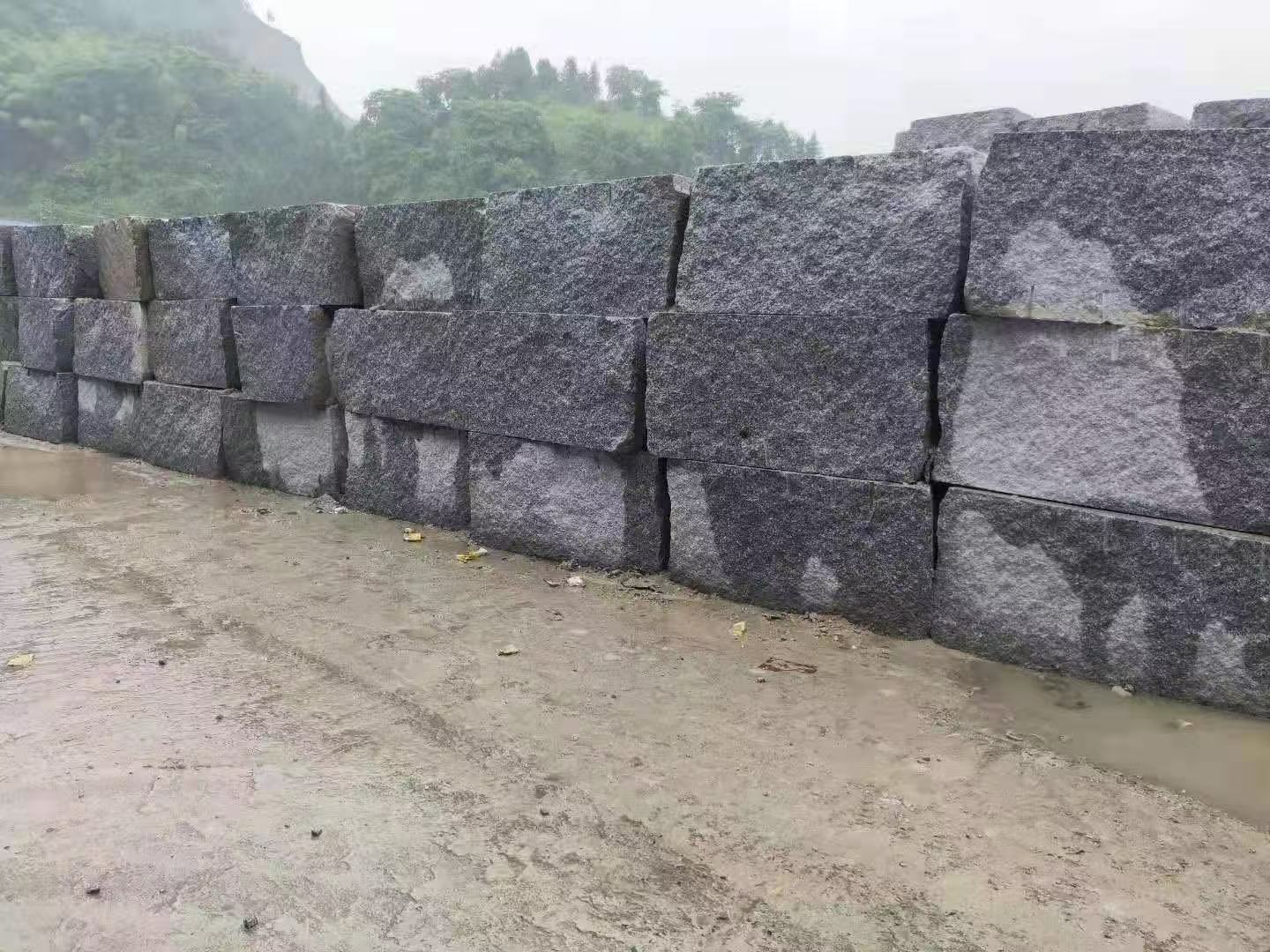
Chinese Granite
G654, G682, G684 & more — China's most exported natural stone.
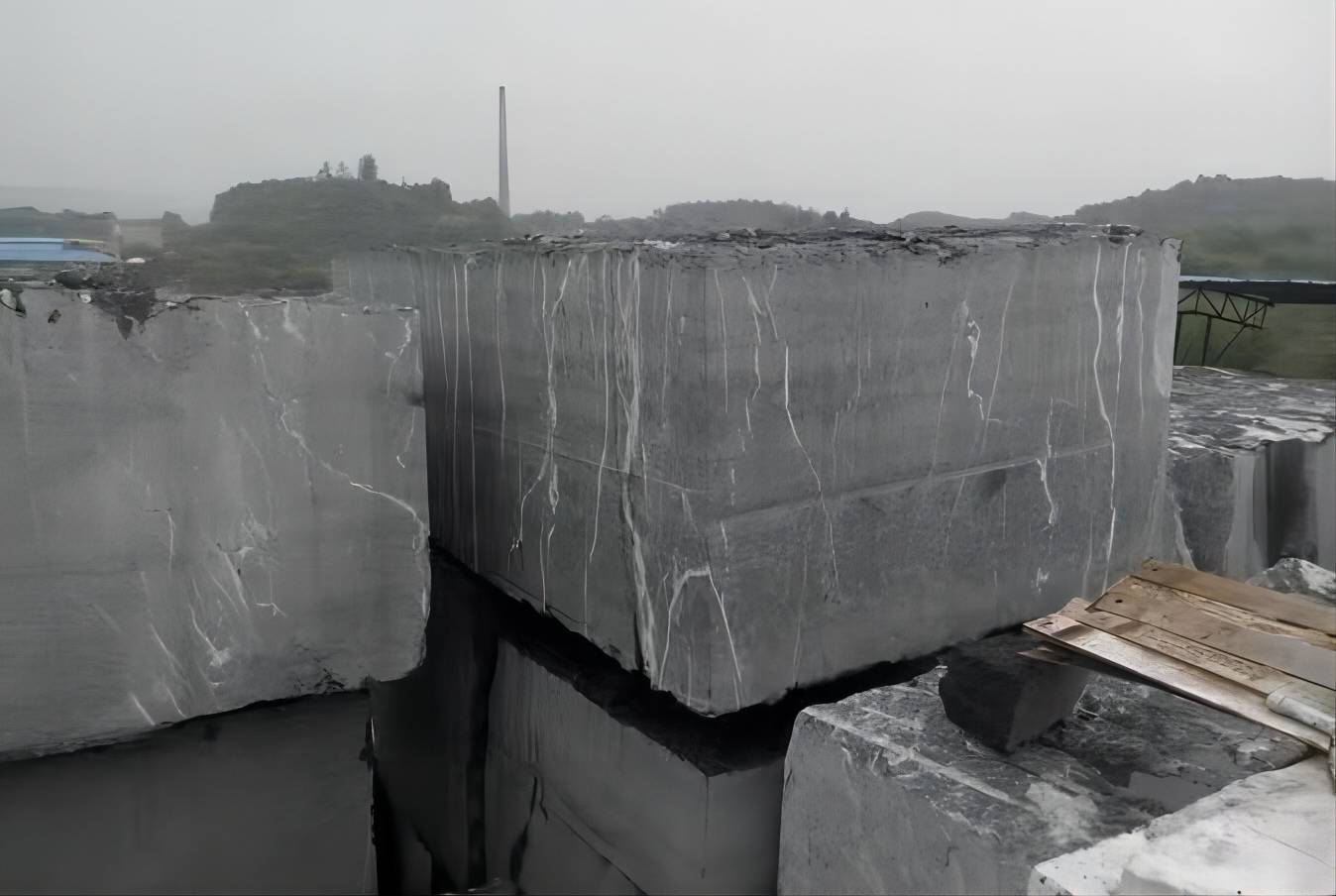
Chinese Marble
Carrara White, Crema Marfil & exotic Chinese marbles.
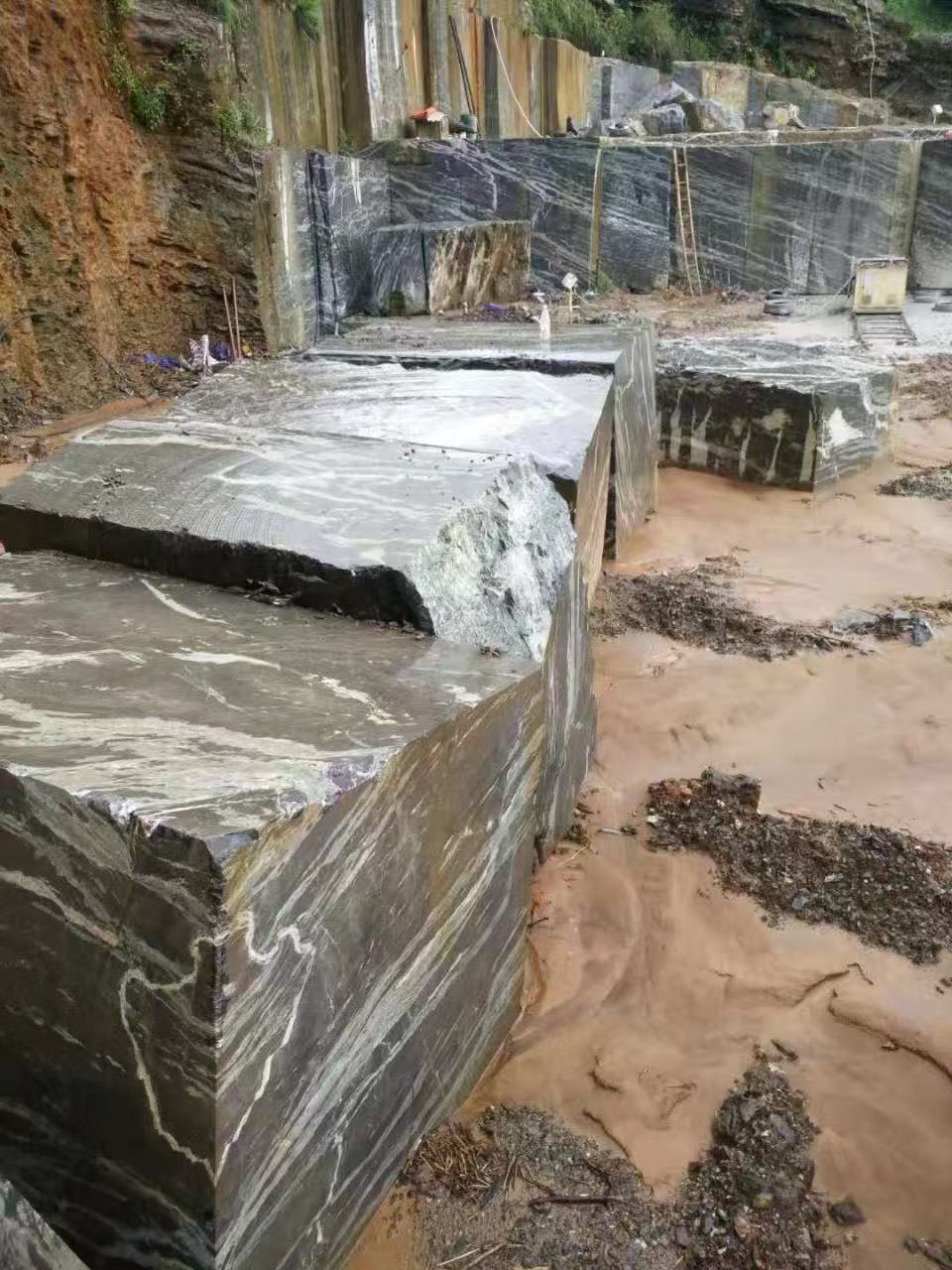
Marble Quarry
Direct from our partner quarries in Shandong, China.
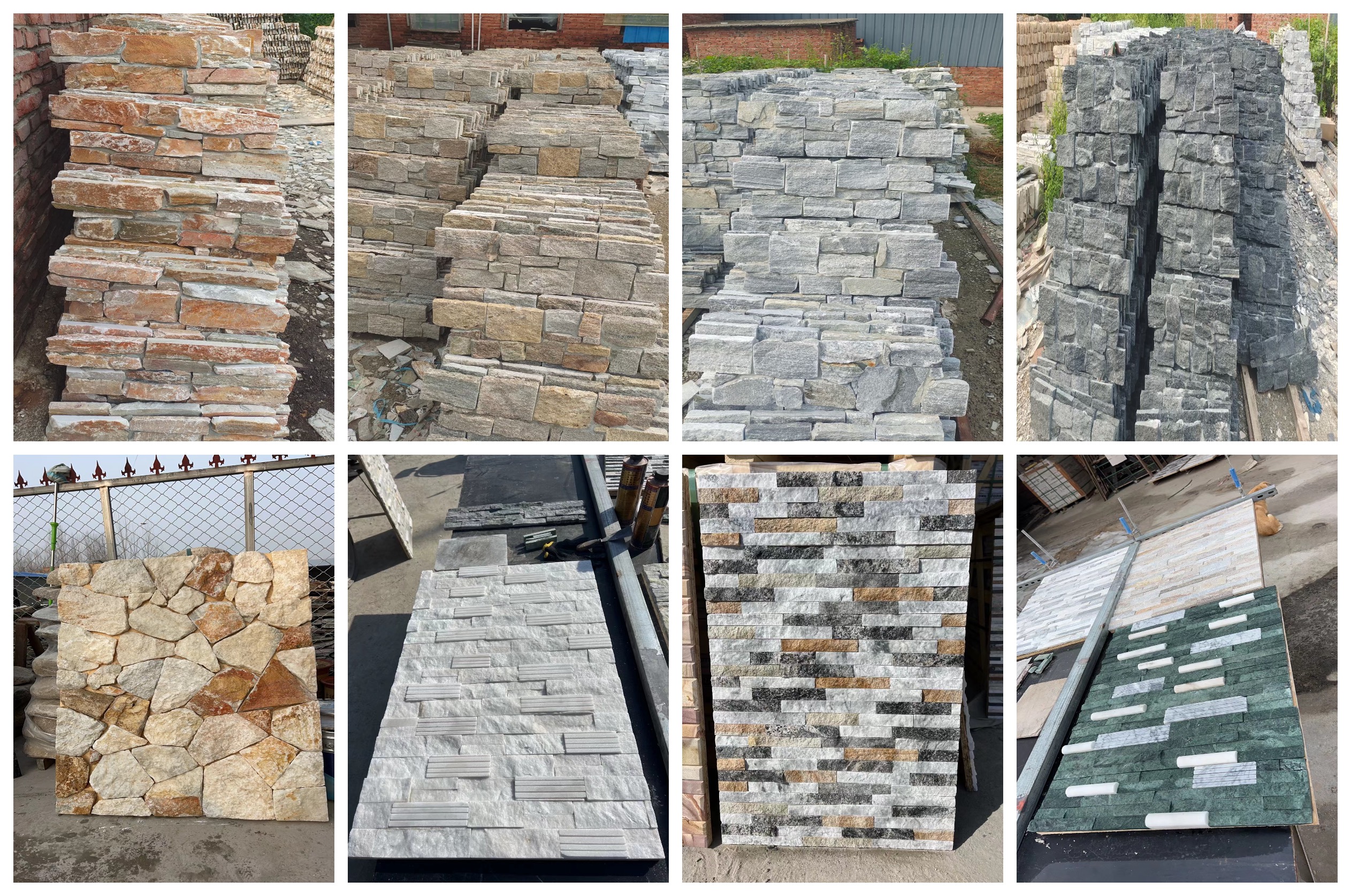
Culture Stone
Artificial cultural stone panels for interior & exterior walls.
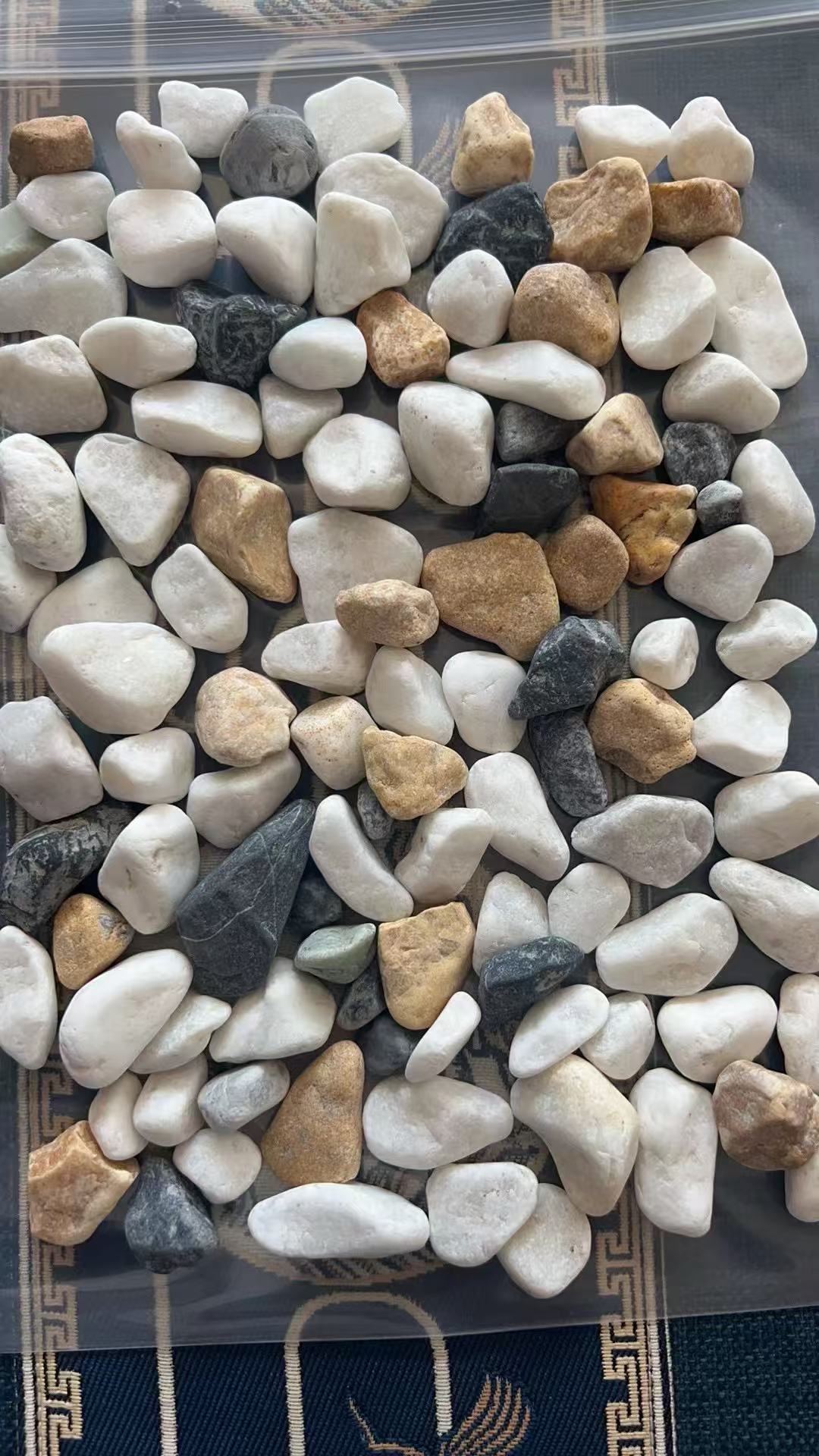
Pebble Stone
River-washed natural pebbles for landscaping & flooring.
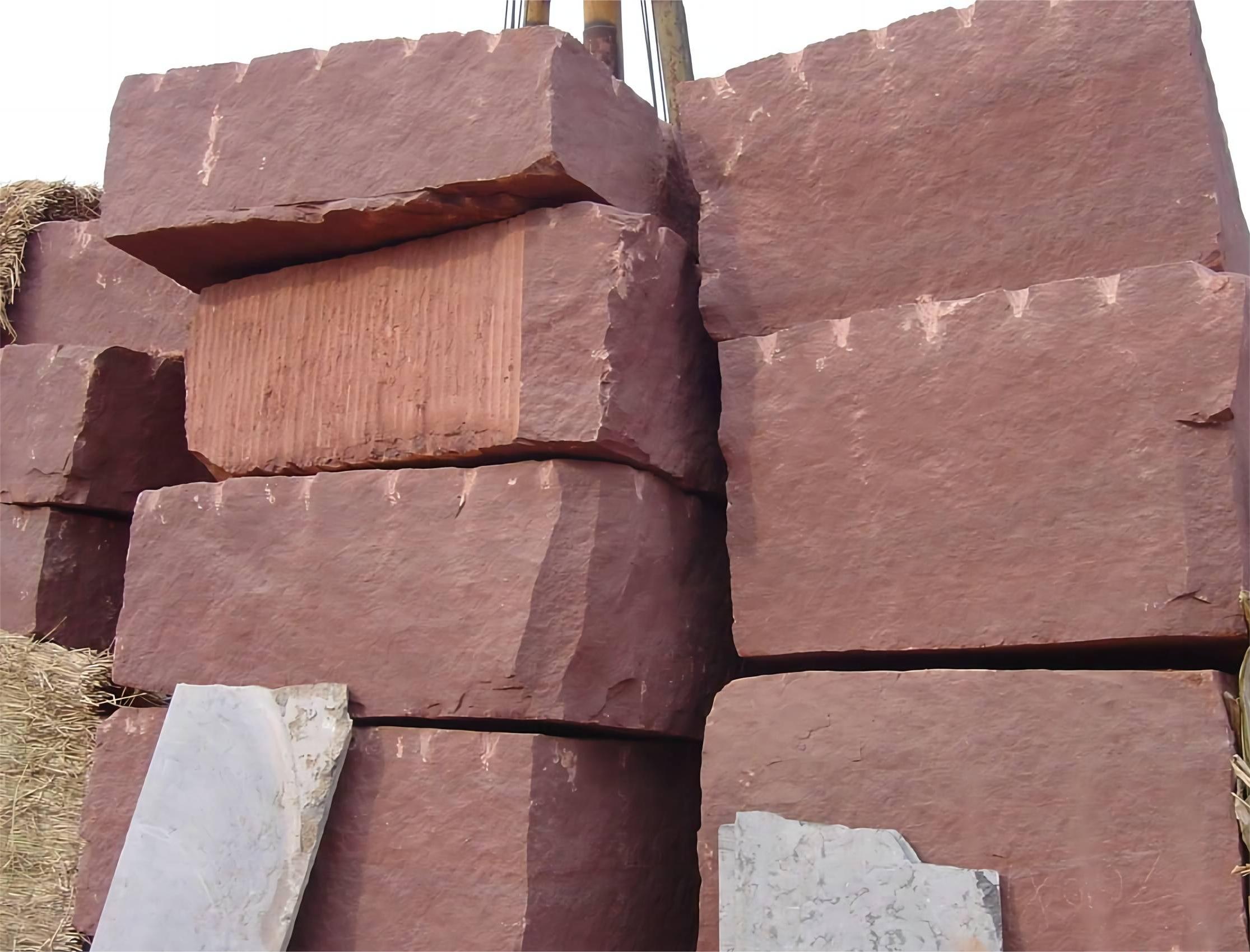
Sandstone
Natural split & honed sandstone for paving and wall cladding.
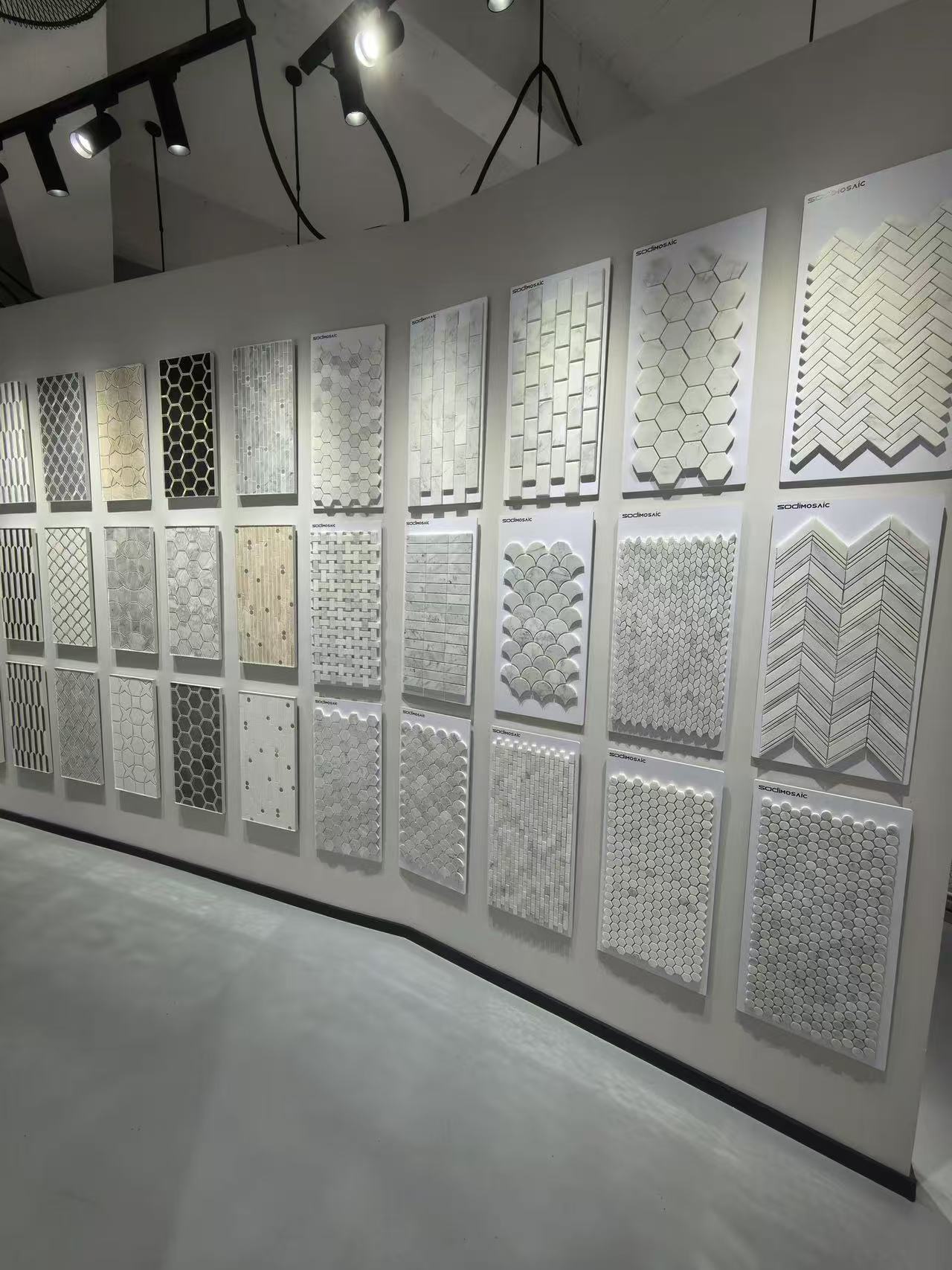
Mosaic
Stone mosaic tiles — marble, pebble & glass blends.
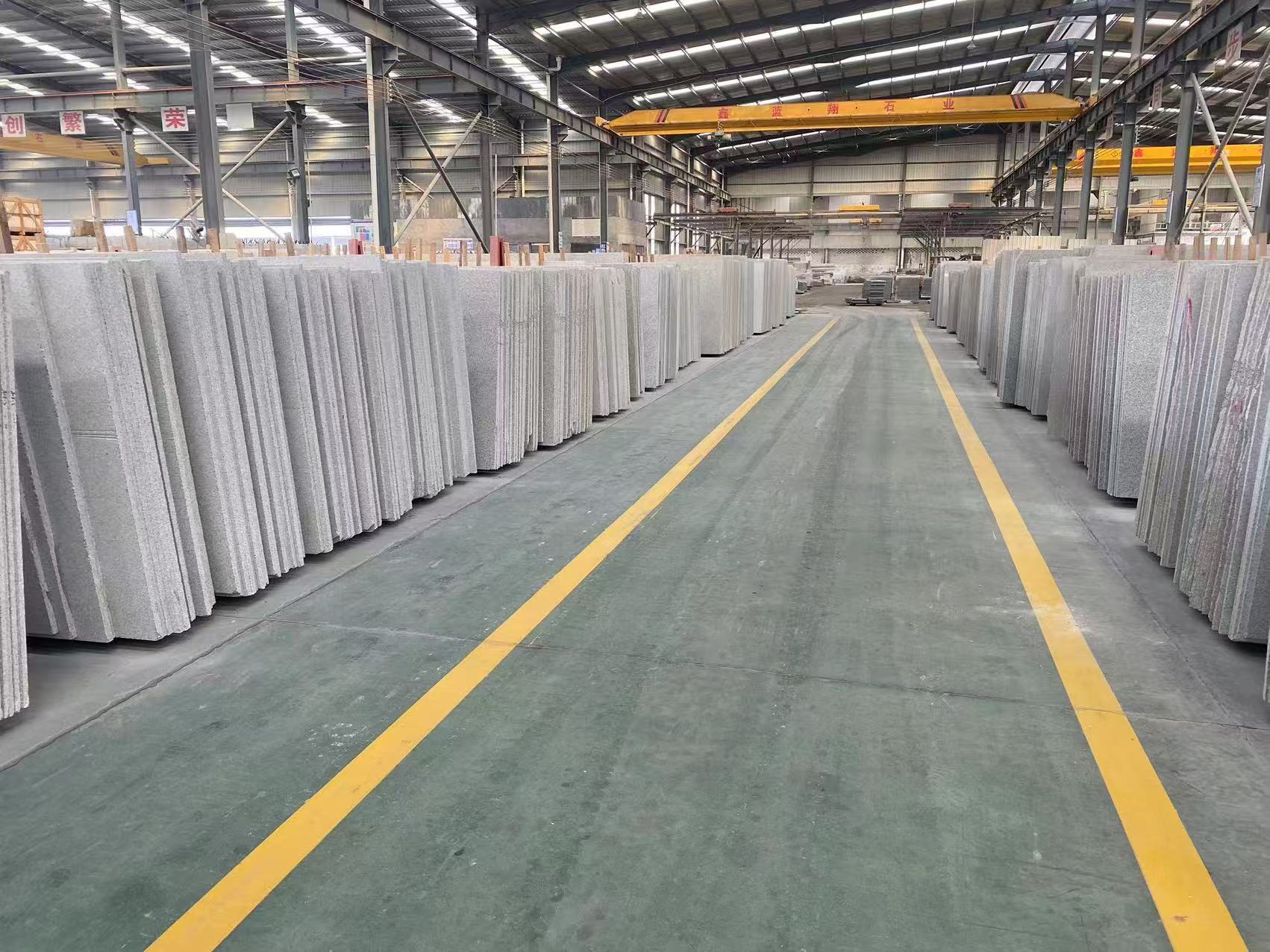
Slab
Large-format natural stone slabs up to 290×180cm.
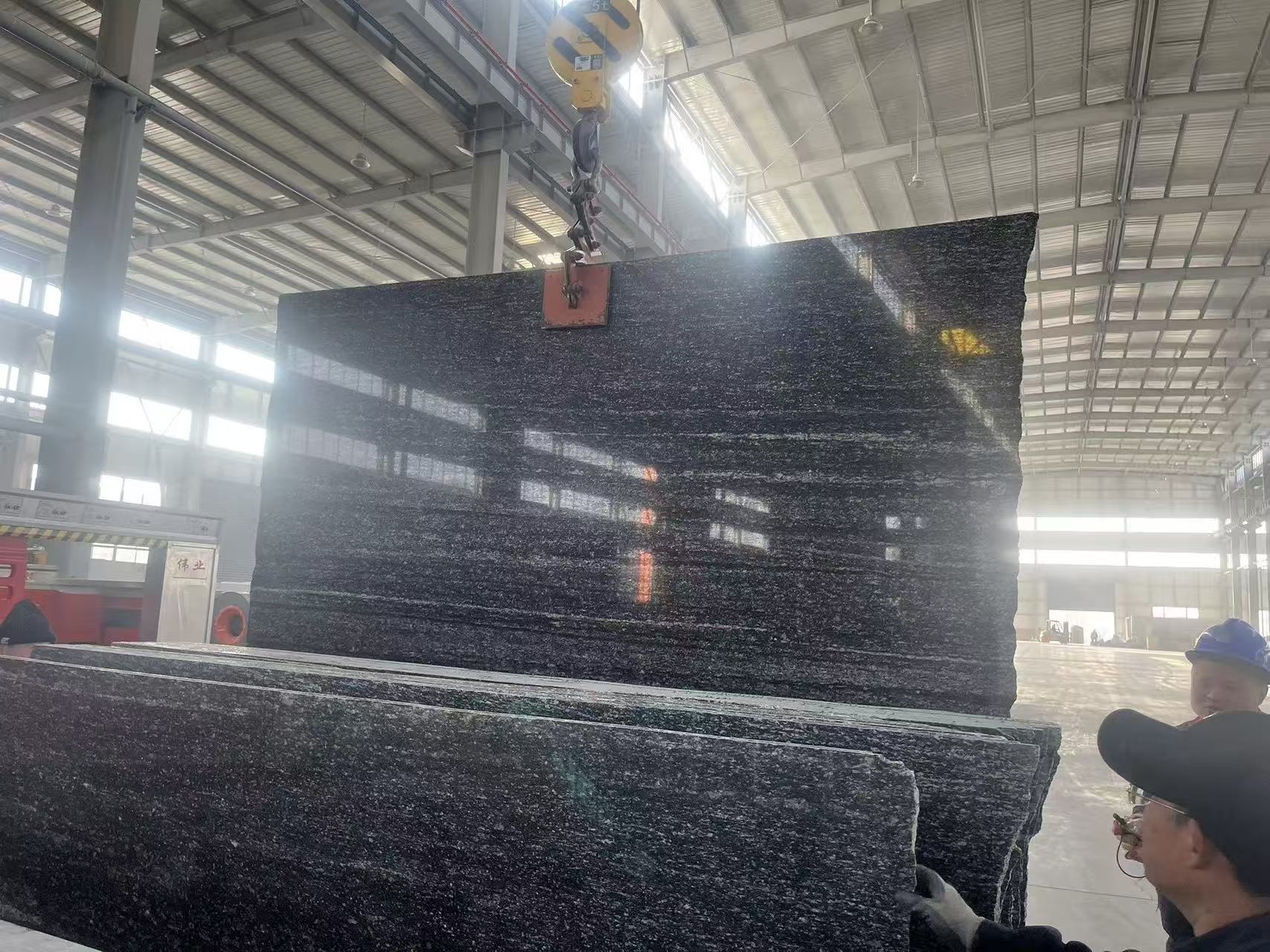
Slate
Natural cleft slate for roofing, flooring & wall panels.

Stainless Steel Stone Anchors
304/316 stainless steel anchors for stone cladding systems.

Tombstone
Granite headstones & memorials — custom design & engraving.
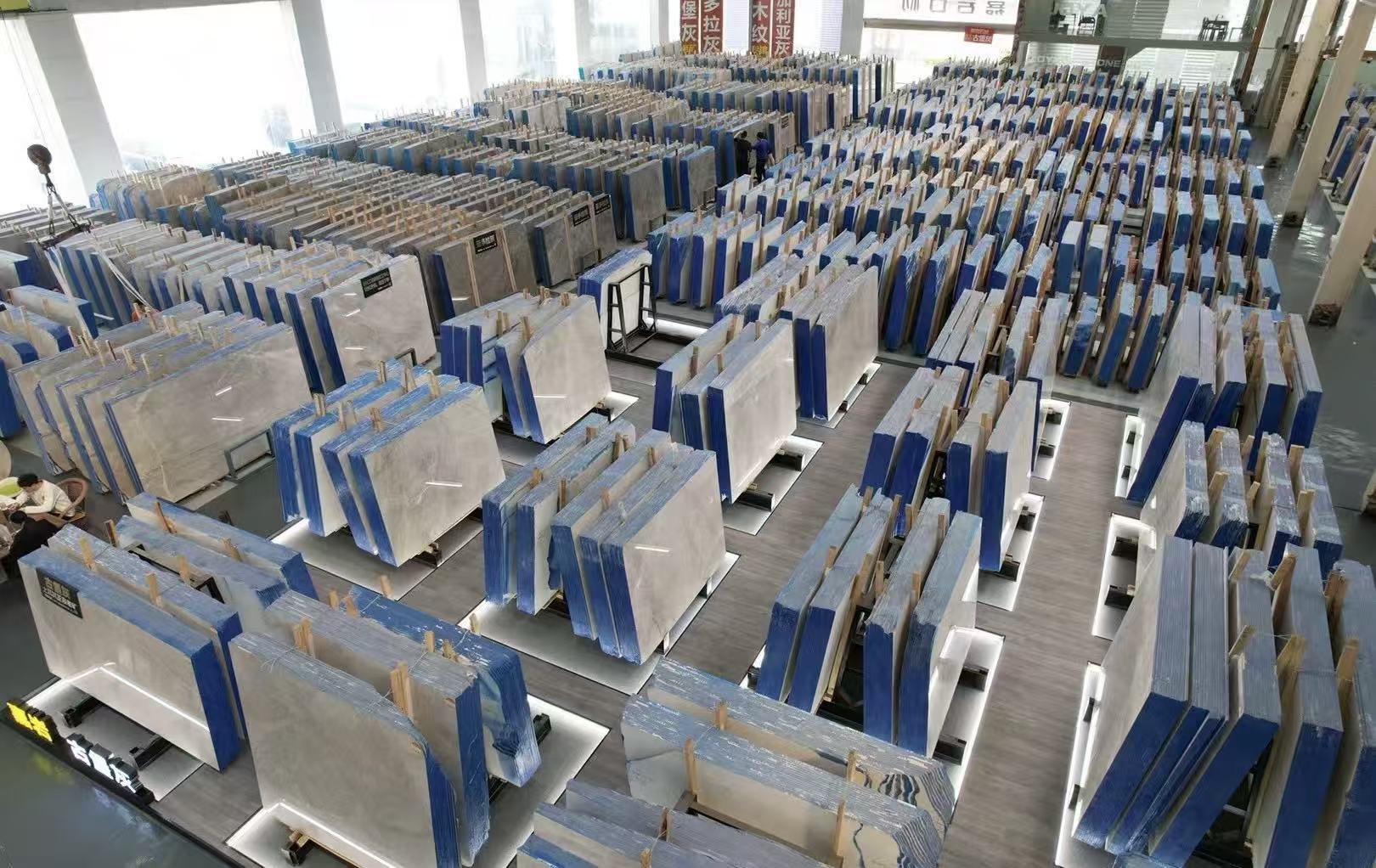
Hot Material
Trending stones — latest colors, finishes & popular varieties.
How to Choose a Stone Material
Selection is usually decided by three questions in sequence: where the stone will be installed, how much wear and moisture it must take, and what finish the design requires. The table below is a starting point, not a substitute for testing the actual batch.
| Family | Typically specified for | Check first | Common surprise |
|---|---|---|---|
| Granite | Paving, kerbs, steps, cladding, countertops | Hardness and absorption of the named variety | One trade name can cover stones with very different hardness |
| Marble | Interior flooring, wall panels, vanity tops | Acid sensitivity and the finish actually supplied | Polished marble on a floor loses its shine under traffic |
| Sandstone | Paving, wall cladding, steps | Absorption and strength | Colour and tone vary by layer within one block |
| Slate | Roofing, flooring, wall cladding | Cleft direction and thickness tolerance | Split faces vary more than the sample suggests |
| Culture stone | Feature walls, fireplace surrounds, facades | Weight per square metre and fixing method | Corner pieces and end returns are a separate item |
| Pebble and mosaic | Landscaping, shower floors, decorative walls | Size grading and mesh or bag packing | Colour sorting is a separate specification |
Start from the application
Exterior paving and steps are governed by slip resistance, freeze-thaw performance and thickness. Interior floors are governed by finish, joint width and how the stone reads under artificial light. Vertical surfaces are governed by weight, fixing detail and colour consistency across panels. Buying a material before deciding the application usually ends in a change order.
Then agree the finish
Polished, honed, brushed, sandblasted and flamed surfaces behave differently in service and cost differently to produce. The finish also changes how a colour reads: the same block can look warm polished and grey honed. Approve a sample of the exact stone and the exact finish, not of the colour family.
Then fix the batch rules
Natural stone varies between blocks. What protects the project is not a promise that it will not vary, but an agreed rule for what variation is acceptable: the reference sample, the inspection light, the allowed tonal range and the procedure if a bundle falls outside it. On multi-phase projects, reserve material from one block run for the whole job.
Buying Guides
Long-form guides for buyers purchasing in container volumes — specifications, ordering mechanics, container loading, quality inspection and the documentation that travels with a shipment.
Taj Mahal Quartzite
One of the most specified white quartzites in the market. Covers what quartzite actually is geologically, how it differs from engineered quartz and granite, where it performs well and where it does not, and how to compare stock sourced through China against direct Brazilian supply.
Read the guide →Granite Cobblestone & Setts
Quarry-direct supply for driveways, plazas and heritage restoration. Covers the difference between cobbles, setts and pavers, how the product is priced by tonne versus by square metre, how to agree a tone mix, and why loading calculation for cobbles differs from slab work.
Read the guide →Natural Stone Pool Coping
Written for pool builders, landscape contractors and hardscape importers buying by the project. Covers travertine, limestone, granite and bluestone compared, edge profiles, how to estimate quantity from project area, and what to agree before a container ships.
Read the guide →Frequently Asked Questions
How do I choose between granite and marble?
Choose by service condition, not by appearance. Granite is the lower-risk choice for floors, paving, steps and kitchen work where abrasion and acids are routine. Marble suits interior walls, vanity tops and low-traffic floors where the veining is the point, provided the finish and maintenance are specified for it.
Is a material name enough for a quotation?
No. A quotation should name the variety or model code, the finish, the thickness, the format, the grade and the packing. Two quotes for the same "granite" can describe different stones with different hardness and different working behaviour.
Can I mix materials in one project?
Yes, and mixing is common on facades and in bathrooms. The risk is colour and finish drift between suppliers, not between stone types. Agree the reference sample for each material and check them together under the same light.
What should I ask for before the container ships?
Photographs of the actual bundles with the batch reference, a packing list that matches the order, and the test reports that apply to the production batch. For exterior or wet-area work, ask for the freeze-thaw and absorption results for that batch rather than a generic data sheet.
What thickness should I specify?
Thickness follows the application and the fixing method: paving and steps must carry load, cladding panels are governed by the fixing system, and countertops by span and support. State the thickness and the tolerance, because a nominal figure and a calibrated one are not the same purchase.
Where do I start if I only know the application?
Start with the buying guides on this page — they work from application back to material, format and quantity. If the application is unusual, send the drawings and the service conditions so the material can be narrowed against the real exposure.