Stone pavers are attractive and affordable for adding beauty and value to your property
Cobble Stone
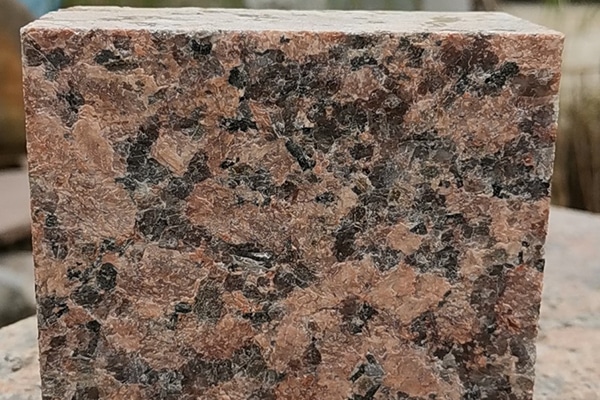
G562 Granite Cobble Stone
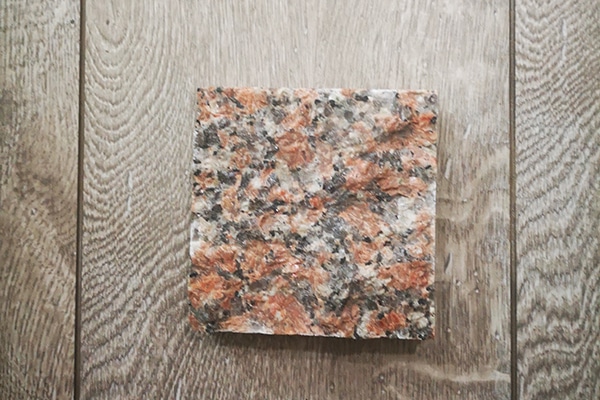
G562 Granite Splitted Cobble Stone
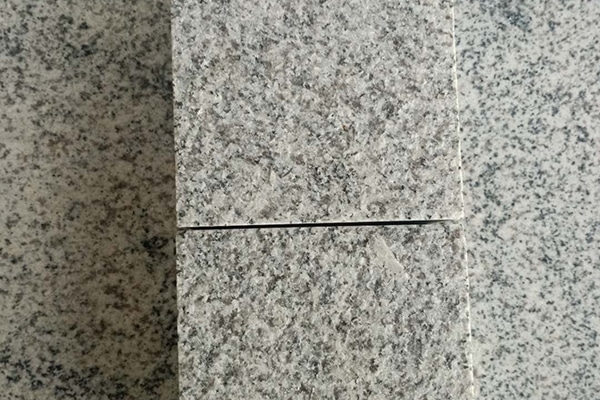
G603 Granite Cobble Stone 10×10
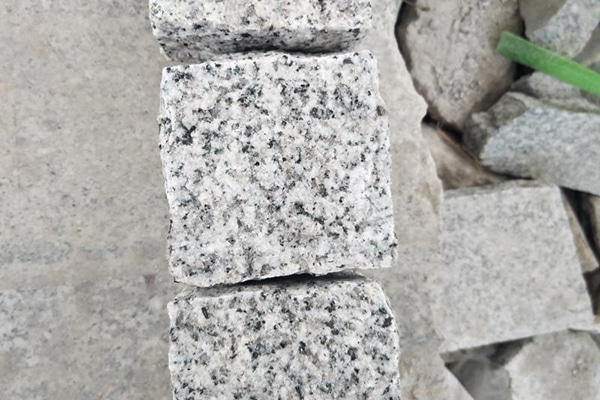
G623 Granite Cobble Stone
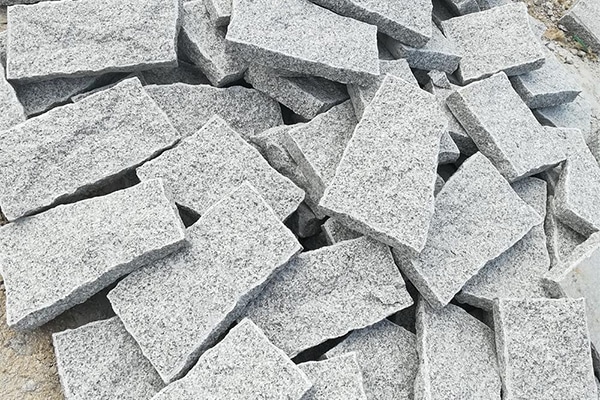
G623 Granite Flag Stone
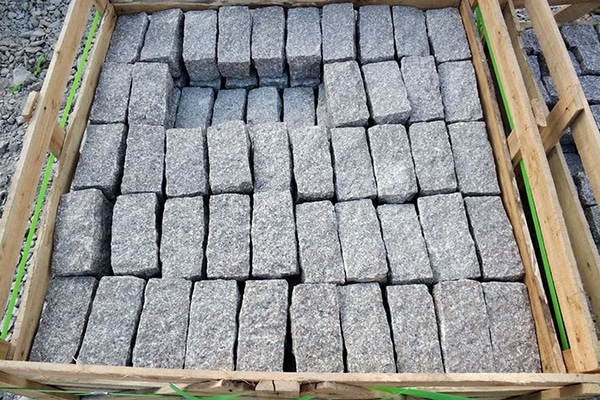
G648 Granite Cobble Stone
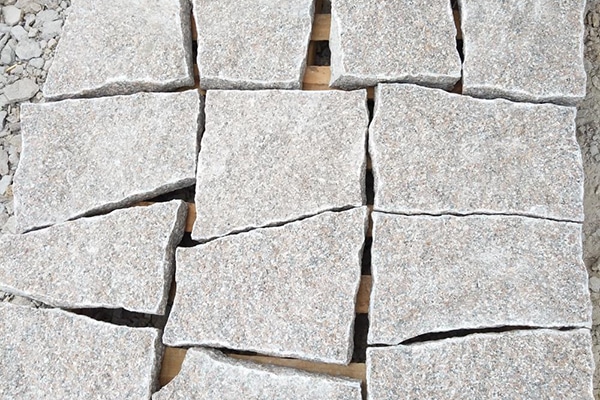
G648 Granite Flag Stone
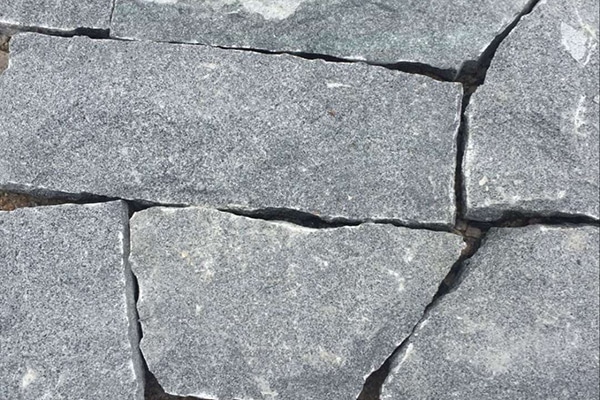
G654 Granite Flag Stone
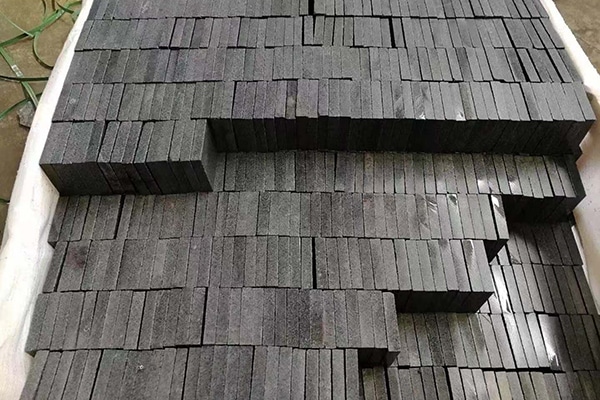
G654 Granite Cobble Stone 10X10
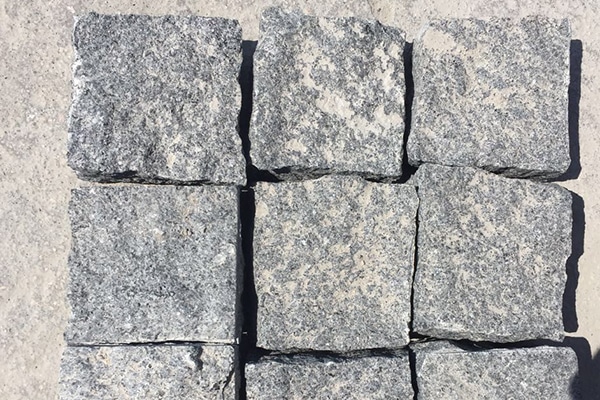
G654 Granite Cobble Stone
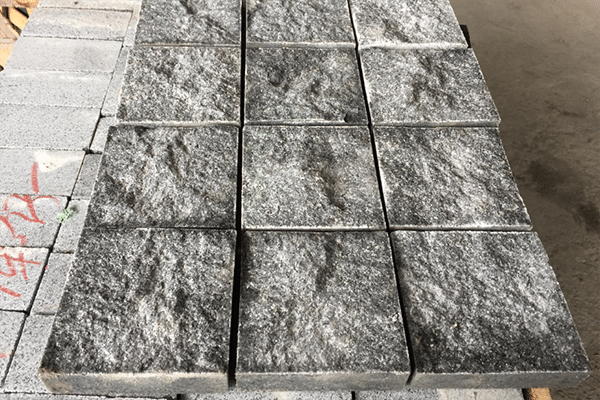
G654 Granite Splitted Cobble Stone
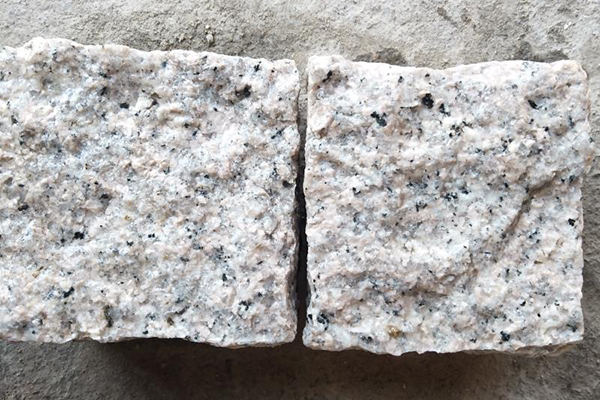
G681 Granite Cobble Stone
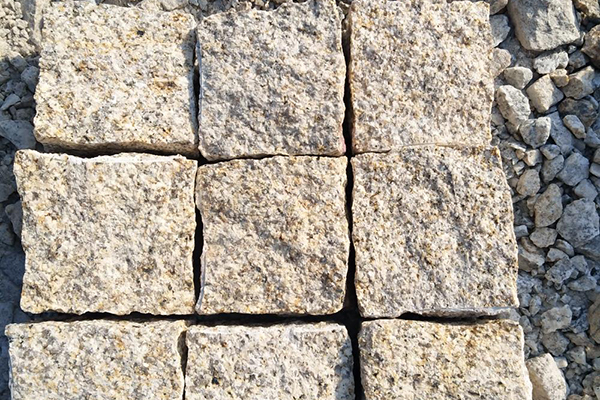
G682 Granite Cobble Stone
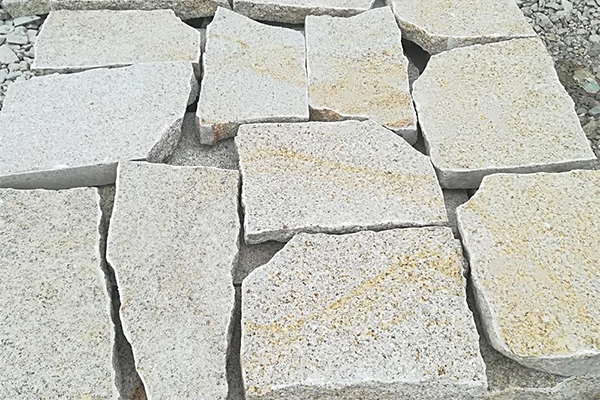
G682 Granite Flag Stone
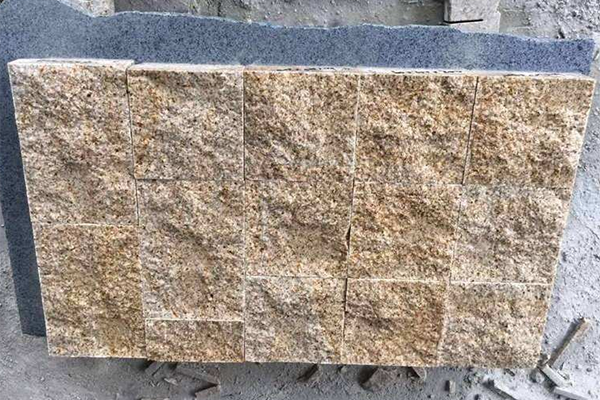
SD G682 Granite Splitted Cobble Stone
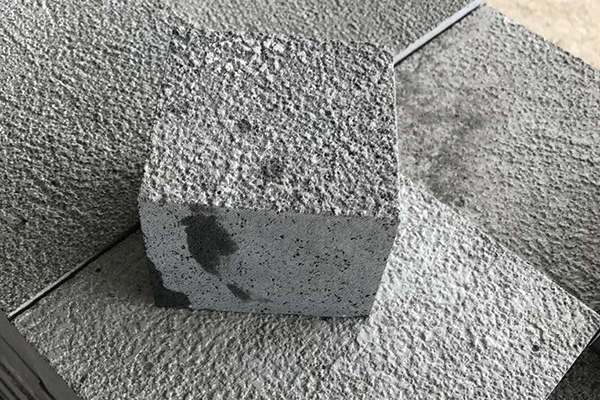
ZP black bushhammered cubic stone
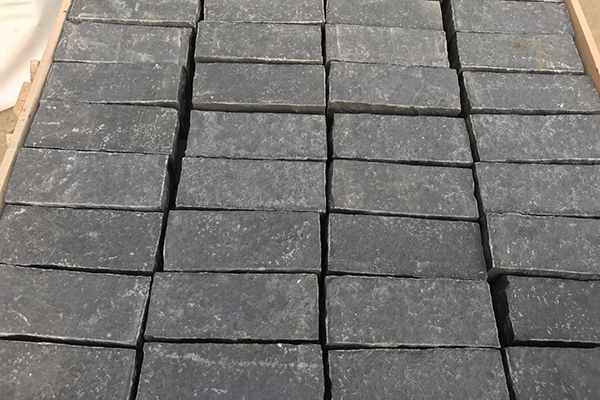
ZP Black Cobble Stone
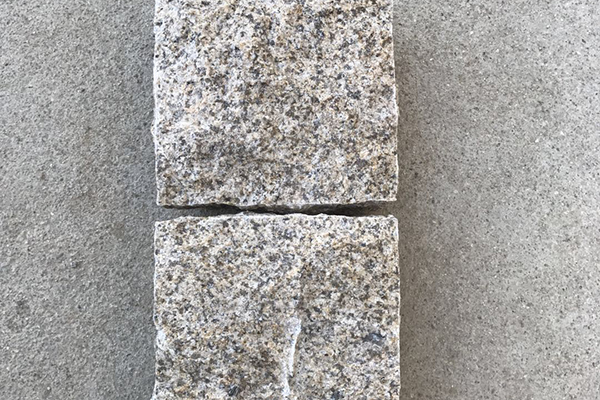
ZP G682 Granite Cobble Stone
Mesh Stone
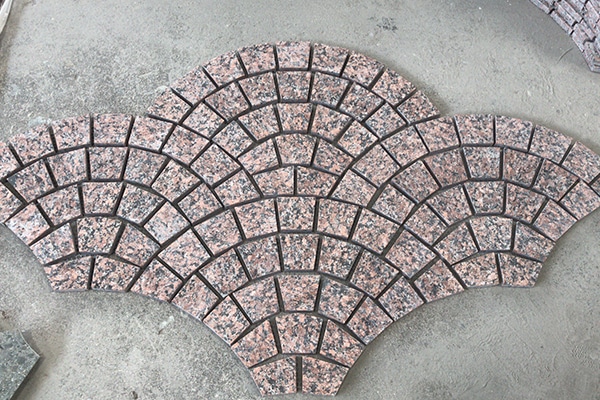
Granite Mesh Stone 31
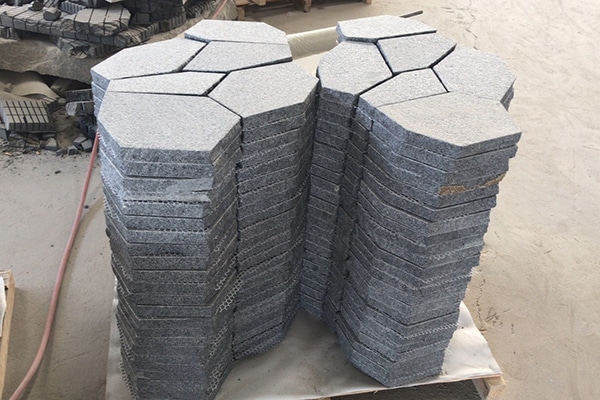
Granite Mesh Stone 30
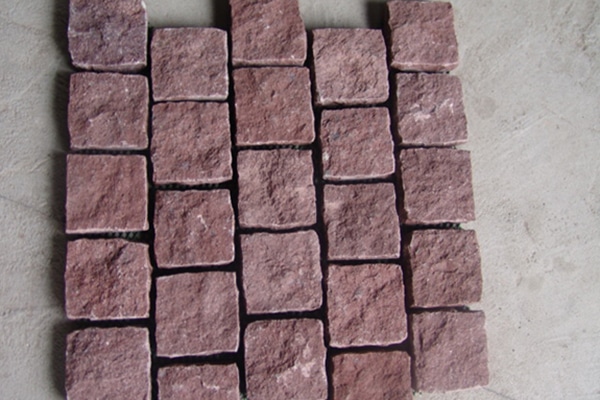
Granite Mesh Stone 29
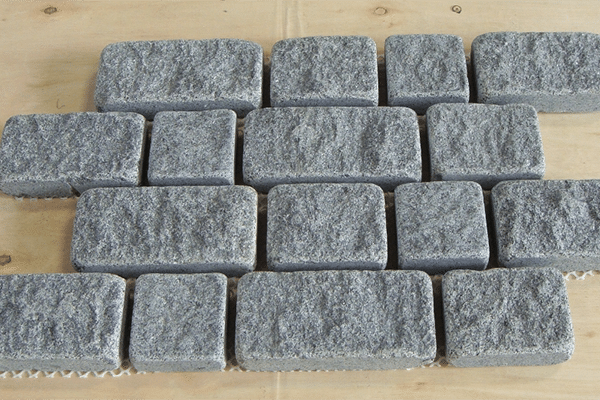
Granite Mesh Stone 28
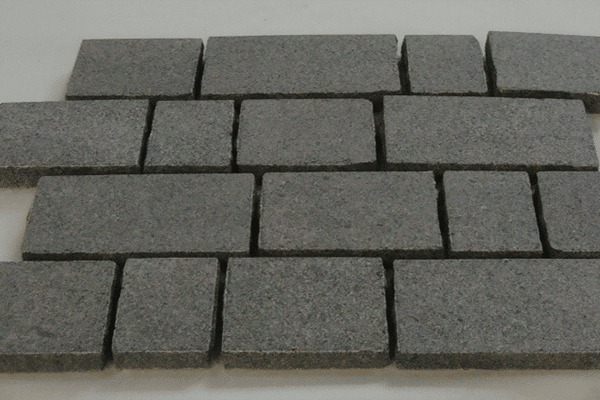
Granite Mesh Stone 27
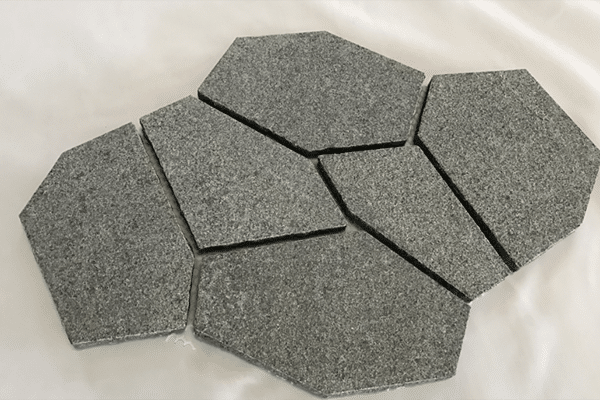
Granite Mesh Stone 26
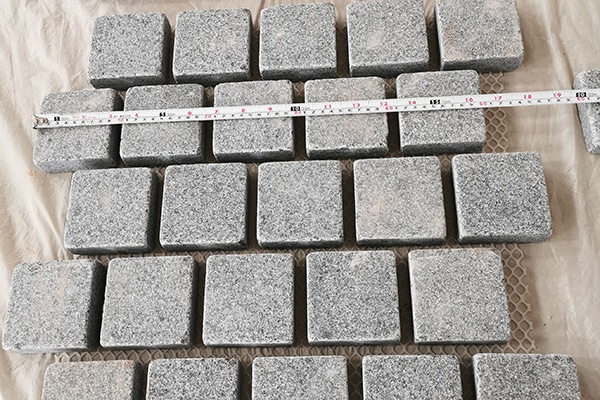
Granite Mesh Stone 25
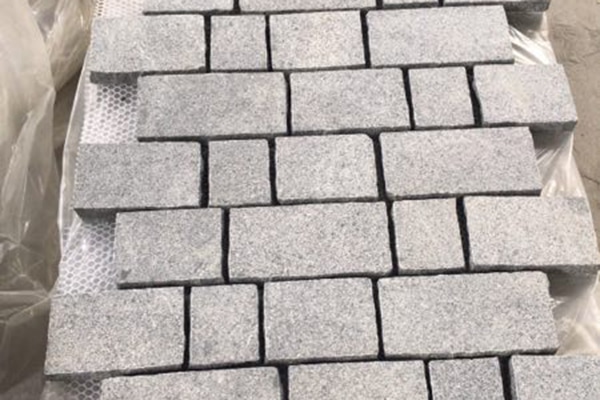
Granite Mesh Stone 24
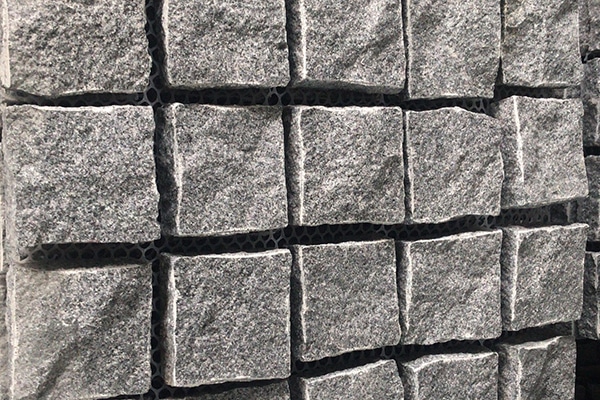
Granite Mesh Stone 23
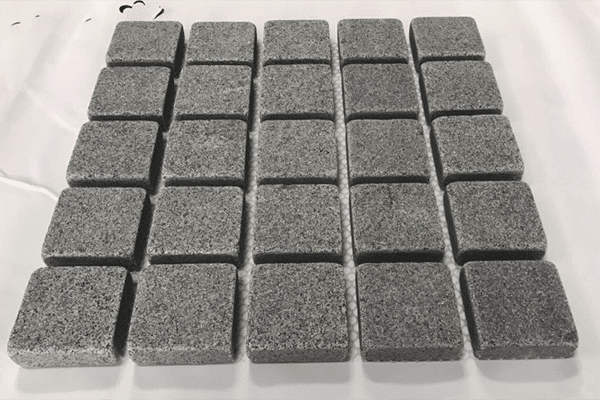
Granite Mesh Stone 22
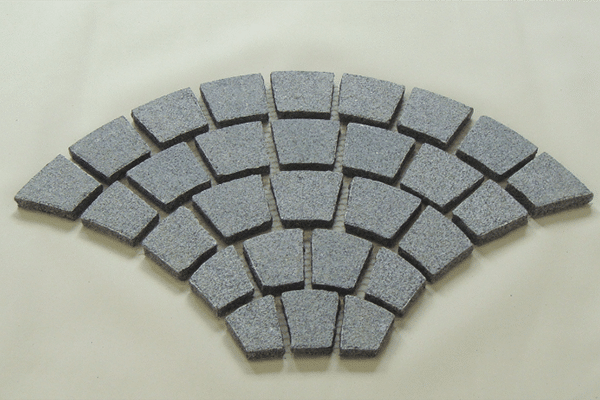
Granite Mesh Stone 21
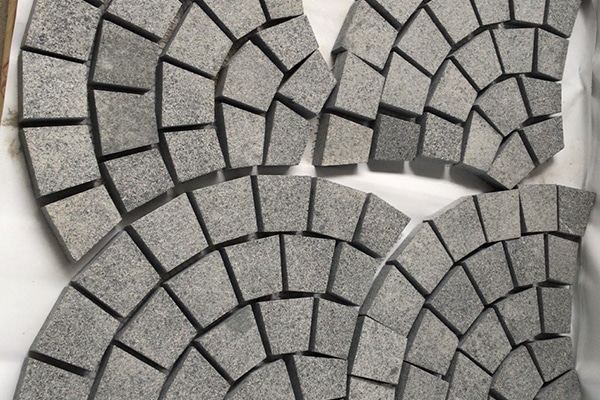
Granite Mesh Stone 20
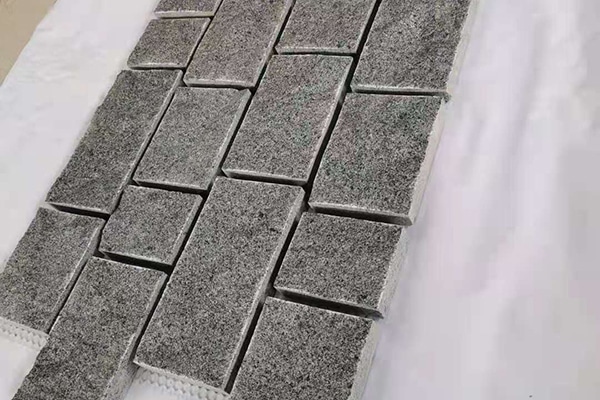
Granite Mesh Stone 19
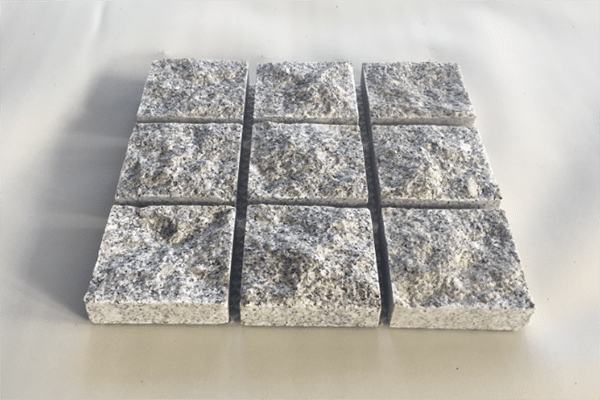
Granite Mesh Stone 18
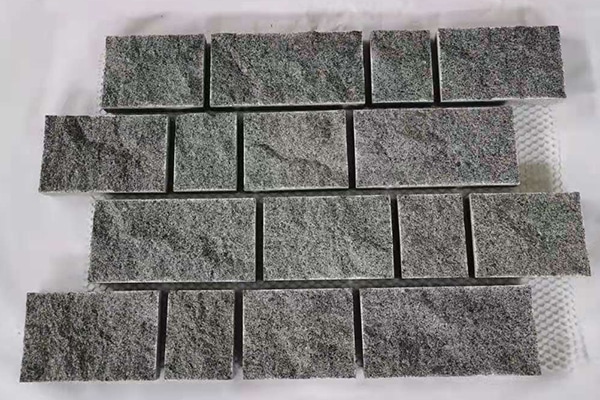
Granite Mesh Stone 17
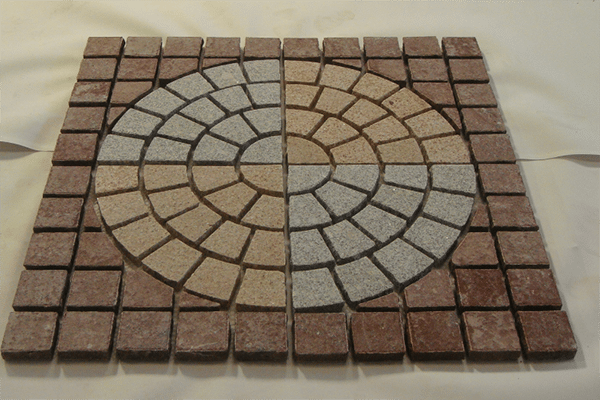
Granite Mesh Stone 16
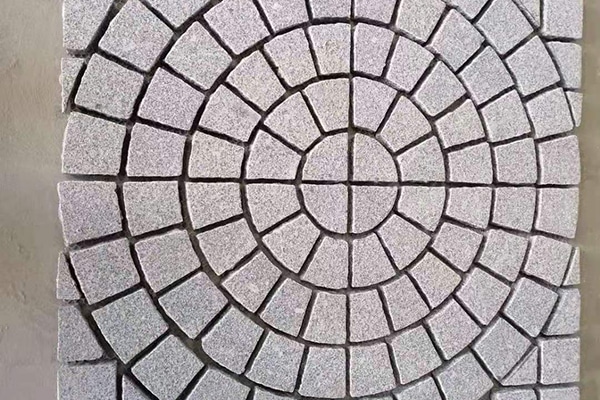
Granite Mesh Stone 15
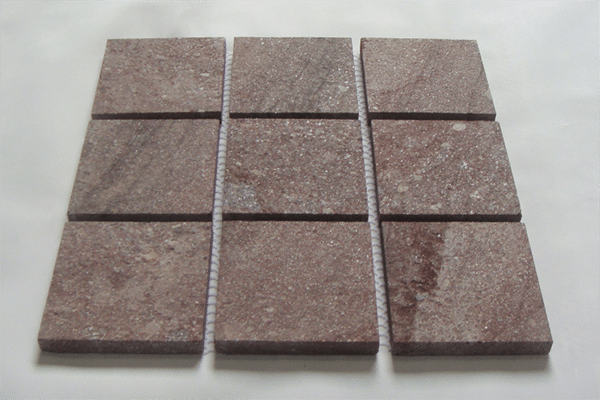
Granite Mesh Stone 14
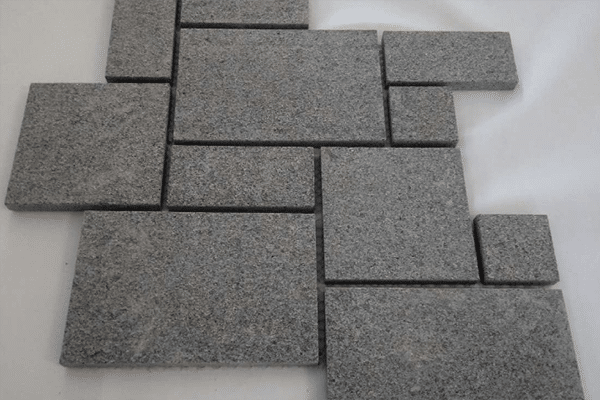
Granite Mesh Stone 13
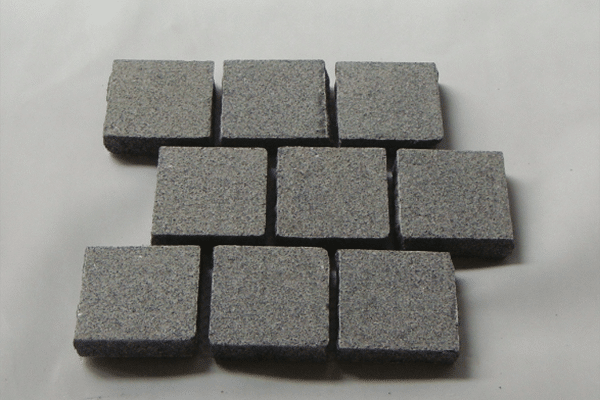
Granite Mesh Stone 12
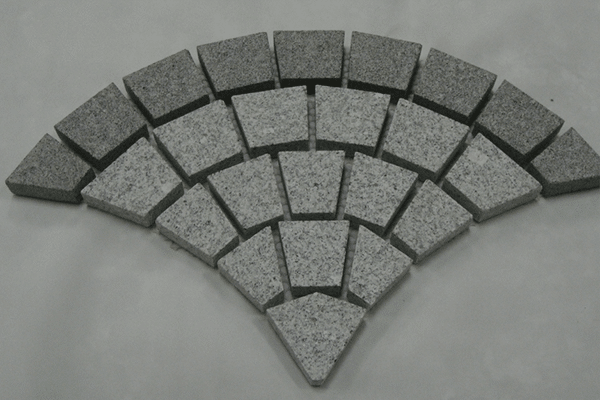
Granite Mesh Stone 11
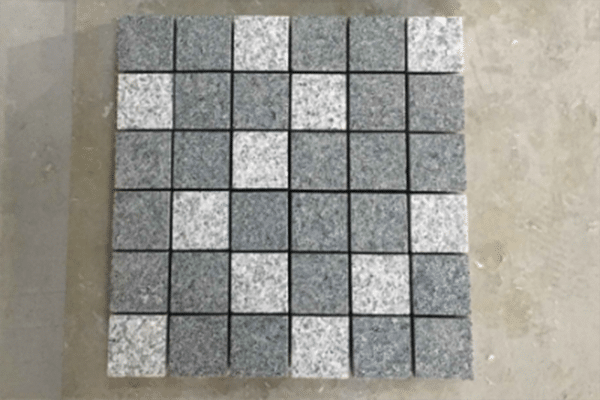
Granite Mesh Stone 9
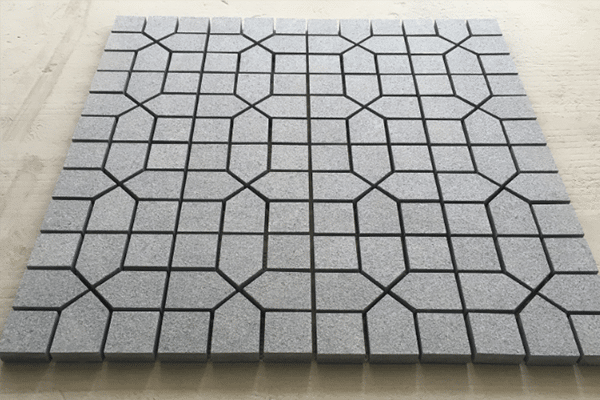
Granite Mesh Stone 10
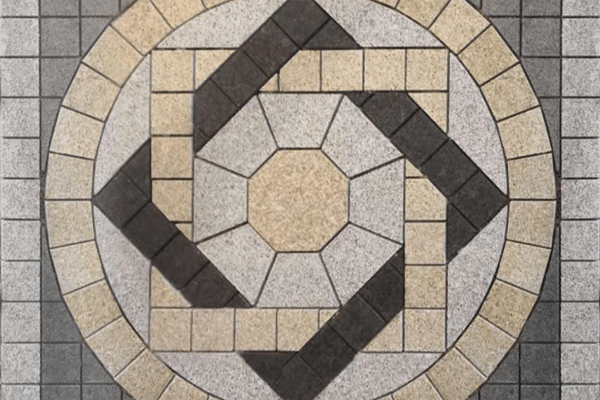
Granite Mesh Stone 8
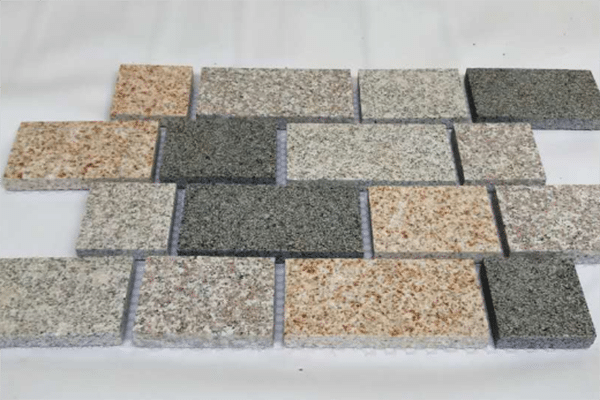
Granite Mesh Stone 7
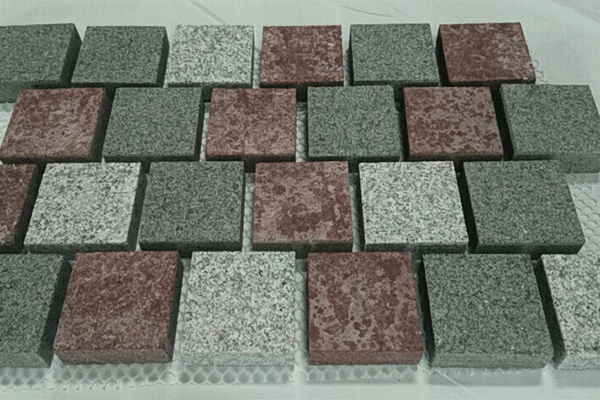
Granite Mesh Stone 6
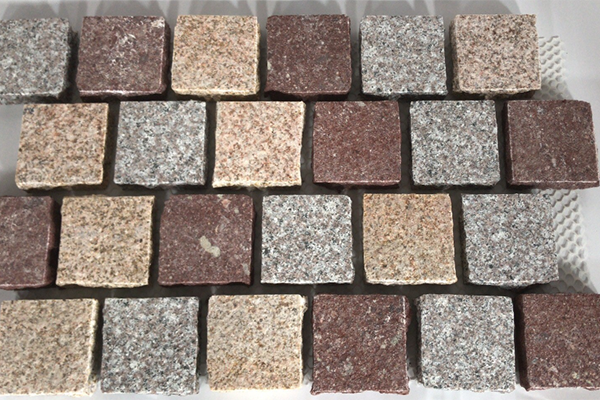
Granite Mesh Stone 5
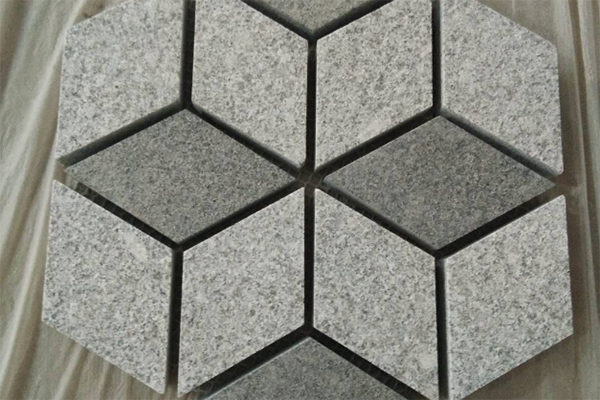
Granite Mesh Stone 4
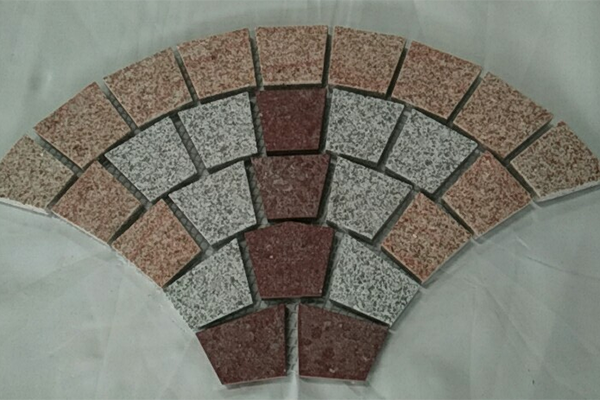
Granite Mesh Stone 3
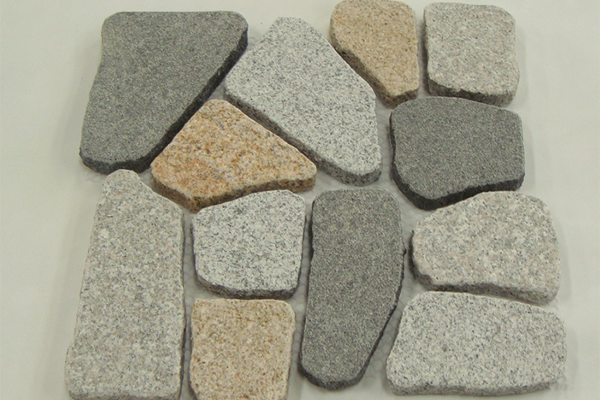
Granite Mesh Stone 2
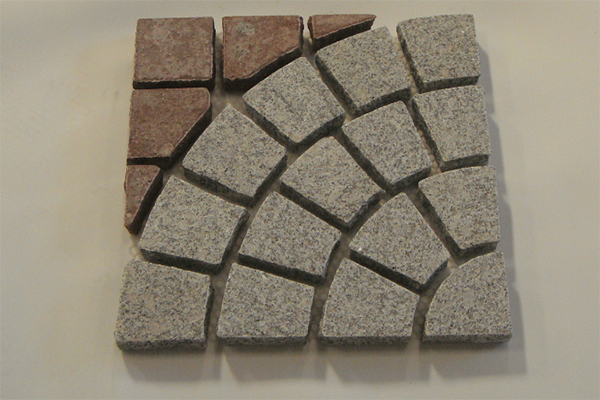
Granite Mesh Stone 1
Paving stones are dimensioned natural stone units — cobble stone, setts and flag stone — used for patios, driveways, paths, pool surrounds and public realm. They are specified by stone type, format, thickness, finish, joint and base system, so the same granite can suit a walkway and underperform on a driveway when those choices are wrong.
What Paving Stones Are and Where They Perform
Paving stone is natural rock cut or split into units that form an exterior walking or driving surface. The category covers small cobble stone setts, rectangular flag stone, larger slabs and purpose-cut kerbs or steps.
The common applications are domestic and commercial patios, driveways, garden paths, pool surrounds, entrance courts, plazas and pedestrian streets. Each has a different load, drainage and slip requirement. A flag stone that performs well on a sheltered patio may be too thin or too smooth for a vehicle entrance, while a rough cobble that grips well underfoot may be uncomfortable beside a pool.
Natural stone is chosen for its appearance, but procurement should start with the engineering. The base, bedding, joints and edge restraint determine whether the surface stays flat and drains. The stone selection then has to match that system: thickness, absorption, surface texture, dimensional tolerance and the ability to resist the local climate.
Phoenix Power Stone supplies paving stone to importers, distributors, contractors and project buyers. Our range is built around granite cobble stone and flag stone for exterior work. This page sets out the formats, specifications and controls that make a shipment usable on site.
Cobble Stone and Flag Stone in Our Range
Our paving range includes Cobble Stone plus granite cobble stone and flag stone in G562, G603, G623 and G648. The product name describes the format and the stone family, not a decorative label. Cobble stone is the smaller unit used for driveways, edging, paths and landscape structure. Flag stone is the flatter, larger unit used for patios, walkways and paved areas where a continuous surface is wanted.
| Product line | Formats quoted | Where it is used |
|---|---|---|
| Cobble Stone | Cobble stone setts and custom paving units | Driveways, borders, paths and landscape paving |
| G562 granite | Cobble stone and flag stone | Patios, driveways, walkways and public realm |
| G603 granite | Cobble stone and flag stone | Exterior paving and architectural landscape work |
| G623 granite | Cobble stone and flag stone | Patios, paths and driveway detailing |
| G648 granite | Cobble stone and flag stone | Patios, paths and driveway detailing |
Finish, size and packing are confirmed against the order for each of these lines. Stone is a natural material, so the sample and the production lot should be approved before the container is packed. A buyer who needs a different granite or a proprietary colour should state that requirement in the enquiry.
Cobble stone and flag stone can be combined in one project. Cobble used as a border or apron gives a stronger visual edge; flag stone carries the main field. State whether both formats come from the same production batch, because that is how the visual join is controlled.
Specifications Buyers Should Fix Before Ordering
A paving order becomes comparable only when the specification is written in measurable terms. The table covers the fields we need before quoting and the checks that should appear on the purchase order.
| Field | What to state |
|---|---|
| Stone and product | Cobble Stone or granite cobble stone or flag stone; G562, G603, G623 or G648 |
| Format | Cobble sett, cube, rectangular flag or custom cut; nominal plan size |
| Thickness | Pedestrian or vehicular duty; 20-40mm flag stone or 60-100mm setts, subject to base and use |
| Finish | Natural split, sawn, flamed, tumbled, bush-hammered or a specified combination |
| Edges | Sawn, split, chamfered or dressed; state where the edge profile is visible |
| Joint | 8-15mm for natural stone paving, with the jointing method named |
| Tolerance | Length, width and thickness tolerance; EN 1341/1342 Class 1 is commonly ±2mm |
| Quantity | Net area plus 5-8% for cutting waste; more where future replacement stock is required |
| Packing | Crates, pallets, bundle marks and ISPM-15 compliance for wood |
Thickness and application matter more than any single number. A 20-40mm flag stone belongs on pedestrian work with a suitable base. Granite setts for vehicles should be 60mm minimum for cars, 80mm for occasional trucks and 100mm+ for commercial traffic over a 200mm sub-base [source: stone-phoenix.com]. If the base or drainage falls are wrong, a thicker stone only moves the failure.
Joints belong in the specification too. Wider joints improve drainage and tolerate riven edges, while tight joints leave little room for natural dimensional variation. State the joint width, the joint material and whether the system is mortar-bedded or open-jointed.
Cobble Stone Formats and Surface Finishes
Cobble stone is supplied in cube and rectangular sett formats. The working face may be natural split, sawn, flamed, tumbled or bush-hammered, and the sides may be sawn to a consistent height. A split face gives the traditional riven texture; a sawn face gives a more regular plane.
These are the finish combinations we can quote in the granite range:
- Natural split on all faces for a traditional riven cobble.
- Sawn faces for a more regular, calibrated appearance.
- A sawn body with a natural split or flamed top face.
- A tumbled top for an aged edge and softer colour reading.
- A mesh-backed format where a bonded sheet suits the laying pattern.
Flag stone has its own finish logic. Natural cleft gives grip; sawn or flamed faces give a flatter plane. A bush-hammered finish provides texture for exterior traffic. Polished finishes are unusual outdoors because they become slippery when wet, and honed surfaces need a separate slip assessment.
Finish changes the slip class, water retention and ease of cleaning. Approve it on the actual stone under wet conditions, not from a dry catalogue sample.
Flag Stone Thickness and Base Selection
Thickness is a system decision. The stone has to span its bedding, carry the expected load and accept the joint detail. The same flag stone can be adequate on a garden path and inadequate at a vehicle crossover. The table below is a practical starting point from our paving guide, linking thickness to use and base.
| Thickness | Application | Base guidance |
|---|---|---|
| 20 - 22mm | Pedestrian paths and light patios | Full mortar bed, or 100mm compacted hardcore plus 25mm sand |
| 30 - 32mm | Standard patios and driveways with a correct base | 100-150mm compacted hardcore plus 30mm sand or mortar |
| 40 - 50mm | Driveways, commercial and public space | 150mm compacted hardcore minimum |
| 50mm+ setts or cubes | Heavy traffic and heritage streets | 150-200mm engineered base |
A 20-22mm unit is for pedestrian use, not a substitute for a thin driveway paver. The common driveway failure is a thin stone on an inadequate base; the stone receives the blame, but the load path was wrong. For vehicle work, use a base designed for the vehicle class and a stone thickness that matches it.
Base preparation is the larger part of the job. The paving guide treats the base as 80% of the job, and that is a useful warning against spending the budget on the visible stone while skimping on excavation, compaction and drainage [source: stone-phoenix.com]. A thicker flag stone on a poorly compacted sub-base will still move, rock or crack.
Cobble Stone for Driveways and Vehicle Areas
Granite cobble stone is the traditional vehicular paving unit because its shape and joints can distribute load and because individual setts can be replaced. The traditional cube is 100×100×100mm, but the specification for a modern driveway should be tied to the vehicle class rather than the heritage format [source: stone-phoenix.com].
For vehicle areas, the working minimums are 60mm for cars and SUVs, 80mm for occasional trucks and 100mm+ for commercial or heavy vehicle use [source: stone-phoenix.com]. Those units need a compacted base, a bedding layer that provides full support and an edge restraint. Without restraint, vehicle loads push the setts outward and open the joints.
Granite is a strong material, but "granite" is a family, not a test certificate. The relevant checks are the actual batch's absorption, strength and freeze-thaw performance. Granite paving commonly falls in an absorption range of 0.01-0.8%, with ASTM C615 capping it at 0.40% [source: stone-phoenix.com]. A dense, low-absorption granite is the safer choice for a driveway in a wet or freezing climate.
The joint system is part of the structure. Joints of 8-15mm filled with kiln-dried sand or a permeable jointing compound allow some movement and drainage, while a rigid mortar joint suits certain edge details and heavy-duty applications. For driveways, use an edge restraint and a fall that moves water away from the building; a surface that ponds will find the weakest joint first.
Flag Stone for Patios, Paths and Pool Surrounds
Flag stone gives a calm, continuous field for patios and walkways. The plan size can be large enough to reduce the number of joints, which makes the surface easier to clean and visually quieter. Large units need a flatter base and careful handling, because a flag stone that rocks on a high spot will crack or spall at the edge.
For garden paths, individual stepping stones can be set into grass or gravel instead of forming a continuous pavement. Our paving guide gives a practical range of 300-600mm for the stones, 25-40mm thickness and 600-700mm centre-to-centre spacing for a comfortable walking rhythm [source: stone-phoenix.com]. The stones need firm bearing; a thin stone on loose soil will tilt.
Around a pool, two ratings matter together. DIN 51130 sets the R-rating, with R11 the practical minimum outdoors, and DIN 51097 sets the barefoot A/B/C class; standard pool surrounds need Class B, while steps into water and steeper ramps need Class C [source: stone-phoenix.com]. A flamed or bush-hammered granite can meet those requirements, but the declaration must apply to the actual finish and batch, not to the stone family in general.
Pool surrounds also need a coping detail that manages water and a joint system that can tolerate wetting and drying. Rounded pool edges and safe transitions matter alongside the surface rating. A stone that is comfortable underfoot when dry can become hazardous when wet if the finish is polished or too smooth.
Layout, Pattern and Joint Design
Pattern affects both appearance and installation cost. A mixed-size rectangular layout is a practical way to use natural variation without a busy, random look. Our paving guide describes a four-size set of 600×900mm, 600×600mm, 600×300mm and 300×300mm units laid in a planned but non-obvious pattern [source: stone-phoenix.com]. The joints stay readable while the different unit lengths break up long sight lines.
Set out the pattern before production, not on site. The factory needs to know which sizes are required, how they combine and whether the units should be packed in laying sequence. A dry-lay photograph of the production set is the clearest way to approve the mix before shipment. If the pattern relies on a particular balance of sizes, state the ratio rather than leaving it to the contractor.
Joints need a width and a profile. Natural stone paving commonly uses 8-15mm joints, and the choice between a mortar joint and an open, sand-filled joint changes drainage, movement and maintenance [source: stone-phoenix.com]. Open joints with a suitable aggregate can support permeability; rigid joints suit applications where the base and edge are designed as one structure. Do not mix the two approaches without a detail.
Edge restraint and falls complete the layout. A surface needs a fall away from structures, commonly 1 in 60 (1.7%) on driveway guidance, and a secure edge to stop the paving spreading [source: stone-phoenix.com]. Cutting edge units to fit is normal; ordering a spare allowance is what prevents a later repair from looking like a patchwork.
Slip Resistance and Surface Finish
Slip resistance is a property of the finished surface, not a property of the stone name. The same granite can be R9 polished and R11 or R13 when flamed or bush-hammered [source: stone-phoenix.com]. The test should name the finish, the direction of the texture and the condition, because a dry sample tells the buyer little about a wet exterior.
For exposed outdoor paving, R11 is the practical minimum in the DIN 51130 ramp test. R12 and R13 are used for permanently wet or steep surfaces. For barefoot areas, DIN 51097 adds a separate class, and a pool surround should normally carry both an R-rating and the relevant A/B/C class for the actual batch [source: stone-phoenix.com].
Where US guidance applies, ANSI A326.3 sets a wet DCOF of 0.60 or above outdoors, compared with 0.42 for level interior floors [source: stone-phoenix.com]. The AcuTest is not validated for every exterior condition, which is why many specifiers also request a DIN ramp classification. The point is not to collect ratings; it is to state the condition the surface will face.
Finish selection should follow the rating. A polished flag stone may be appropriate for a covered, dry entrance but not for a wet pool deck. A deep riven face gives grip and hides marks, but it can be difficult to clean. A flamed surface gives a consistent texture with good slip performance, provided the flame treatment is applied uniformly. Approve the finish on wet stone.
Freeze-Thaw, Absorption and Climate
Freeze-thaw damage starts with water entering connected pores, expanding when it turns to ice and pushing the stone apart. Absorption and pore structure therefore predict frost performance better than a generic hardness claim. Granite is commonly in the 0.01-0.8% absorption range with ASTM C615 capped at 0.40%, while sandstone can range from 0.3-12% depending on its cement [source: stone-phoenix.com]. That is why "sandstone paving" covers both a frost-resistant material and a porous one.
European frost testing for paving runs 56 cycles to EN 12371, and the usual acceptance criterion is at least 80% residual strength [source: stone-phoenix.com]. Coastal or heavily de-iced sites should also request EN 1367-6 salt-frost data, where a common requirement is mass loss of 2% or less under the German TL Pflaster-StB 06 approach [source: stone-phoenix.com]. A supplier who offers only a generic frost claim is not giving the buyer a specification.
The base has to support the climate strategy. Frost-susceptible subgrade needs a frost-protected edge and a base deep enough to avoid heave. Water should drain away from the paving, not sit in the bedding. In severe freeze-thaw regions, dense granite setts or flag stone on a properly drained base are a more defensible choice than limestone, travertine or a soft, porous sandstone.
Absorption also affects staining and maintenance. A low-absorption stone resists water-borne dirt and de-icing salts better, but it still needs correct drainage and jointing. A higher-absorption stone may need sealing and more careful winter maintenance. Request batch test data rather than relying on the family average.
Base Preparation and Installation Sequence
The base is the hidden structure that makes paving work. Our paving guide describes it as 80% of the job, and a failure here is difficult to correct without lifting the surface [source: stone-phoenix.com]. The sequence below applies to a conventional sand- or mortar-laid flag stone system; a permeable system needs a designed open-graded base.
- Excavate to the required depth, removing topsoil and organic material. Typical guidance is 150-200mm for pedestrian areas and 200-250mm for driveways [source: stone-phoenix.com].
- Place a non-woven geotextile on the subgrade to stop the sub-base mixing with the soil.
- Lay angular crushed stone and compact it in shallow lifts. Rounded gravel does not interlock and is not a substitute.
- Screed a bedding layer of sharp sand or stone dust for leveling; the structural support comes from the compacted sub-base.
- Lay the flag stone or setts, tap them down and check level and fall. Use a diamond blade or stone splitter for edge cuts.
- Fill the joints with kiln-dried sand, permeable jointing compound or mortar, according to the detail.
- Compact the finished surface with a protective mat, clean it and keep traffic off until the bedding or mortar has cured.
Drainage must be built in before the first stone is laid. For driveways, guidance calls for a fall of 1 in 60 (1.7%) and engineered base depths with frost-protected edges [source: stone-phoenix.com]. For patios, water should move away from the building and not collect against the threshold.
Edge restraint and joints work with the base. Without an edge, the paving can creep outward; without the specified joint width, the units can chip as they expand and contract. The contractor should check the base, falls and edge detail before laying.
Permeability, Drainage and Low-Impact Design
Open-jointed natural stone paving can be part of a permeable paving system, but the joints alone do not make it permeable. The sub-base must store and pass water, and the joint aggregate must remain open. A flag stone laid on a dense, well-graded base with sealed joints behaves like an impervious surface in a stormwater calculation.
Our pebble and landscaping guide gives useful system data: loose aggregate can carry 30-40% void space, and infiltration-based stormwater practices are commonly credited with around 85% runoff volume reduction [source: stone-phoenix.com]. Those figures describe a designed system, including the aggregate layers and subgrade, not a paver on its own. They still explain why open-jointed stone can be attractive on landscape and public-realm projects.
Green-building credits are project-specific. The same guide notes that LEED v4.1 BD+C can award up to 3 points for rainwater management and up to 2 for heat-island reduction, with permeable paving named as a qualifying strategy [source: stone-phoenix.com]. A supplier can provide material and system documentation, but a paving product does not earn a credit by itself. Confirm the claim with the project's sustainability consultant and the actual build-up.
Natural stone also has a low-processing advantage: stone is quarried and cut without kiln firing or a chemical binder, and a properly based stone surface can last 50-100 years [source: stone-phoenix.com]. The durability argument is strongest where the stone is repaired or reused rather than replaced as a whole surface. Transport still counts, so the full carbon case should use the actual route and project life.
Maintenance and Longevity
Natural stone paving is a long-life surface, but it is not a no-maintenance surface. A routine of sweeping, occasional washing and joint care preserves appearance and performance. Prompt cleaning matters more than aggressive cleaning.
For cleaning, avoid pressure washing above 1500 PSI, which can strip sealer and erode softer stone or mortar joints [source: stone-phoenix.com]. Use a mild stone cleaner for stains and treat oil immediately with a poultice rather than scrubbing it deeper. Moss and weeds should be handled with a stone-safe product; bleach can damage adjacent plants and lighten some stones.
Sealing depends on the finish. Honed paving is generally resealed every 12-18 months, while natural cleft and flamed surfaces may be sealed optionally every 2-3 years, with sealing recommended in freeze-thaw climates [source: stone-phoenix.com]. Efflorescence on new paving is cosmetic and often fades within 6-12 months; persistent white deposits point to water movement and a drainage source that needs attention [source: stone-phoenix.com].
Keep a spare allowance. A 5-8% margin covers cutting waste and future repairs, and it is easier to buy the extra units with the original batch than to match them later [source: stone-phoenix.com]. A well-based stone pavement can last 50-100 years, while the maintenance plan and replacement stock determine how well it ages.
Packing, Loading and Container Planning
Paving stone is heavy, and the container is usually weight-limited before it is volume-limited. The 20ft container is the standard export minimum, and the quantity that fits depends on thickness and packing. As a planning reference, a 20ft container carries roughly 300-330 m² of 30mm granite paving or about 150-170 m² of 60mm setts [source: stone-phoenix.com].
Packing should protect the faces and edges and keep the bundle identity. Stone is normally packed in fumigated wooden crates or on pallets with corner protection and separation between faces. Every wooden crate or pallet must meet ISPM-15 requirements; a missing stamp can hold or destroy a shipment at the destination. Flag stone with a riven face needs protection against edge chipping.
The Incoterm should be stated explicitly. FOB is roughly 50-65% of landed cost once freight, insurance, duty, port charges and inland delivery are added [source: stone-phoenix.com]. Compare the delivered cost at the buyer's warehouse, not only the price at the Chinese port.
Plan the unload as well as the load. Thick setts or dense granite can require the right forklift and a safe hardstanding. Mixed orders should put the products in separate, labelled bundles so the receiving team can find the cobble stone, flag stone and spare units.
Requesting a Paving Quotation
A paving quotation is only useful if it can be compared with another. Provide the product (Cobble Stone or one of the G562, G603, G623 or G648 granite options), the format, the required plan sizes, the thickness, the finish, the edge treatment, the joint type and the total area. State the application and whether vehicles will use the surface.
Attach a layout drawing or pattern photograph where the design depends on mixed sizes. State the destination port, the Incoterm and whether you need FOB, CIF or DDP pricing. Ask for the packing method, the spare allowance and the test reports you need. If slip, freeze-thaw or salt exposure matters, name the test and the acceptance value.
Samples should represent the production material, not a specially selected showpiece. Approve the colour and finish on wet and dry stone, and keep a reference sample with both parties. For a project, request a pre-shipment photograph of the packed bundles and a clear bundle list.
Send the requirement to sale@stone-phoenix.com, or use the quote form on this page. Include the application, drawing, quantity and destination in the first message so the response can address the real specification.
Frequently Asked Questions
What paving stones do you supply?
We supply Cobble Stone and granite cobble stone and flag stone in G562, G603, G623 and G648. The range covers cobble setts for driveways, edging and landscape work, and flag stone for patios, paths and paved areas. Finish, size and packing are confirmed against the order and the actual production lot.
What is the difference between cobble stone and flag stone?
Cobble stone is a smaller, thicker unit, often a cube or sett, used where load distribution, edge definition or a traditional texture matters. Flag stone is a larger, flatter unit used to create a continuous walking surface. Both can be granite, but their thickness, joint pattern and base requirements differ.
What thickness should I specify for a patio or driveway?
For pedestrian flag stone, 20-40mm is a common range, supported by a designed base. For granite setts under vehicles, the guidance is 60mm minimum for cars, 80mm for occasional trucks and 100mm+ for commercial traffic, over a base suited to that load [source: stone-phoenix.com]. The application, not the stone name, sets the minimum.
What finishes are available?
Our paving can be quoted with natural split, sawn, flamed, tumbled, bush-hammered or combined finishes. The right choice depends on slip resistance, cleaning and the visual character required. Approve the finish on the actual stone and under wet conditions, because a dry sample does not show how a surface will behave in service.
Can you supply custom sizes?
Yes. Cobble stone and flag stone can be produced to project-specific plan sizes and thicknesses, subject to the available block and the fabrication method. Send a drawing with the required dimensions, tolerances and quantities. Custom work needs an approved sample or shop drawing before production.
Which tests should I request for paving stone?
Ask for batch-specific data for absorption, strength and freeze-thaw performance. Relevant methods include ASTM C97 and C170, and EN 12371 for frost resistance. For coastal or de-iced projects, add EN 1367-6 salt-frost data. The report should identify the production lot and the finish it describes, not a generic catalogue value.
How are paving stones packed and shipped?
Paving is normally packed in ISPM-15-compliant wooden crates or on pallets with face and edge protection. A 20ft container is the usual export minimum, and the load is weight-limited; a 20ft carries about 300-330 m² of 30mm granite paving or 150-170 m² of 60mm setts [source: stone-phoenix.com]. Confirm the packing and payload before booking.
Are natural stone pavers suitable around a pool?
Dense granite paving can work around a pool when the finish and test data match the exposure. Specify R11 as the practical outdoor minimum and the relevant DIN 51097 Class B or C for barefoot areas [source: stone-phoenix.com]. Avoid polished surfaces, verify the actual finish and batch, and detail drainage and coping so water does not sit at the pool edge.
How do paving stones compare with porcelain outdoors?
Porcelain is 20mm thick in many outdoor ranges and has very low absorption, so it resists staining and does not need sealing. Natural stone offers repairability, depth of colour and a longer service record, but needs a suitable base, correct joints and periodic maintenance. The better choice depends on the application, maintenance capacity and design intent.
Related Guides
- Natural Stone Paving Guide — patio, driveway and walkway design, thickness, base and installation.
- Natural Stone vs Porcelain for Outdoor Paving — performance, slip ratings, freeze-thaw and installed cost.
- Pebble Stone for Sustainable Landscaping — permeability, drainage, stormwater and landscape material selection.
- Stone Container Loading Guide — heavy stone packing, container capacity and loading control.
Specifications
| COBBLE STONE | |
|---|---|
| Material | G562 Granite, G603 Granite, G654 Granite, G682 Granite, G684 Basalt, ZP Basalt etc. |
| Sizes | 5X5X5CM,8X8X8CM,9X9X9CM,10X10X10CM,10x10x5cm, |
| 10x20x5cm,9.5x9.5x4CM,19.5x19.5x4CM,22X11X5CM, | |
| 16.5X11.5X5CM,19.7X19.7X8CM,14.5X14.5X8CM,16X16X16CM, | |
| 22X16X16CM,27x18x9cm,18x18x9cm,18x18x18CM, Customized sizes | |
| Finish | a. All sides natural split |
| b. All sides sawn cut | |
| c. 5 sides saw cut, Surface natural split | |
| d. 5 sides saw cut, Surface flamed | |
| e. 4 sides saw cut, top natural split, tumbled, mesh back | |
Request Free Quote
Thanks for your interest in our products. If you would like to get more information on any product, please send us an email or call us at any time, we will reply to you within 24 hours. We are looking forward to cooperating with you.
Get Instant Quote