Outdoor stone needs: sweeping or blowing debris weekly, rinsing with fresh water monthly, and sealing every 12-18 months with a UV-resistant solvent-based sealer. In freeze-thaw climates, keep joints sealed and drainage clear — frost damage starts with standing water in pores. In shaded areas, treat moss and algae with stone-safe biocide (not bleach). Never pressure-wash above 1500 PSI; it strips sealer and erodes soft stone.
How do I care for outdoor stone paving and patios?
Never on marble, limestone, or travertine — vinegar and lemon are acids that etch calcite stone, leaving permanent dull marks that require professional polishing to remove. Granite and quartzite resist acids better, but regular use still degrades the sealer. Use pH-neutral stone cleaner on all natural stone surfaces — it costs the same and protects your investment.
Can I use vinegar or lemon to clean stone?
Dullness comes from three causes: acid etching (dull spots), surface wear (micro-scratches from grit), or sealer buildup. Light etching responds to marble polishing powder applied with a damp cloth in circular motions. Surface wear on floors requires professional machine honing and repolishing — typically $3-8 per sq ft. Sealer buildup from topical products requires professional stripping. Use the acid test (drop of lemon juice) to distinguish etching from wear before spending on the wrong fix.
Why does my marble look dull and how do I fix it?
Identify the stain type first. Oil-based stains need a baking-soda-and-water poultice. Organic stains (coffee, tea, juice) need a hydrogen-peroxide poultice. Ink needs acetone. Spread the poultice 5mm thick over the stain, cover with plastic wrap, tape the edges, and leave 24 hours — it draws the stain out of the stone's pores. Repeat up to three times; if the stain persists, call a professional. Never scrub stains with abrasive cleaners, which damage the polish.
How do I remove stains from granite or marble?
A pH-neutral stone cleaner is the only safe daily choice for all natural stone. Acidic cleaners (vinegar, lemon juice) etch marble, limestone, and travertine on contact. Alkaline cleaners (bleach, ammonia) degrade sealer and can discolor stone. pH-neutral stone cleaners cost $10-15 per bottle and last months. Wipe with a microfiber cloth and dry the surface after cleaning to prevent water spots.
What is the best daily cleaner for natural stone?
Granite countertops: annually. Marble: every 6-12 months. Limestone and travertine: every 4-6 months. Slate floors: every 12-18 months. Outdoor stone: every 12-18 months with UV-resistant sealer. The 15-minute water test is the reliable override — pour water on the surface; if it beads, the seal is intact; if it absorbs within 15 minutes, reseal now regardless of the schedule.
How often should I seal my stone countertops and floors?
Frequently Asked Questions
Stone Maintenance: The Key to Generations of Beauty
Natural stone is an investment measured in generations, not years. Proper maintenance is what transforms that investment from a liability into a legacy. The good news: stone maintenance is not complicated or time-consuming when you follow the right routines. This guide covers everything you need to know to keep your natural stone surfaces beautiful for decades.
★ Key Takeaways
- Occasional:Apply a stone color enhancer every 2-3 years to refresh the deep, rich color that slate is known for.
- Even the most well-maintained stone will eventually benefit from professional restoration. For residential stone, schedule a professional assessment every 5-10 years depending on traffic levels. Commercial stone may need attention every 2-5 years. Pr
- Natural stone is an investment measured in generations, not years. Proper maintenance is what transforms that investment from a liability into a legacy. The good news: stone maintenance is not complic
- Proper maintenance keeps natural stone looking its best for decades.
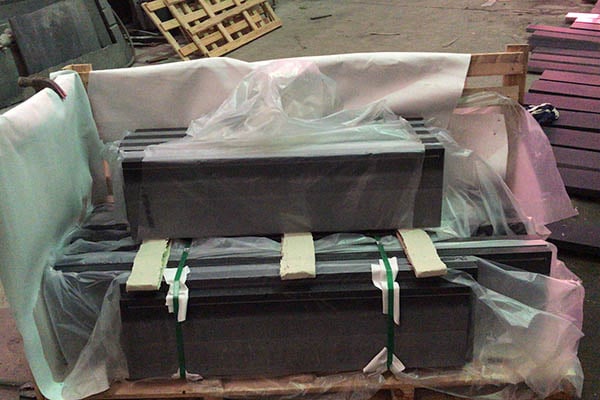
Proper maintenance keeps natural stone looking its best for decades.
Daily Cleaning by Stone Type
Granite
Daily: Wipe with a soft microfiber cloth and warm water. For light cleaning, use a few drops of pH-neutral dish soap. Dry with a clean cloth to prevent water spots.
Avoid: Abrasive cleaners, scouring pads, vinegar, citrus cleaners, bleach, ammonia, or any acidic or alkaline cleaners. These will strip the sealer over time.
Pro tip: Keep a spray bottle of pH-neutral stone cleaner near your granite countertops. A quick spray-and-wipe after meal prep keeps them looking showroom-new.
Marble
Daily: Dust with a soft microfiber cloth. Damp-mop floors with warm water only — no soap unless absolutely necessary. Dry immediately; never let marble air-dry, as water spots can etch the surface.
Critical warning: Marble reacts chemically with acids. Even a single drop of lemon juice, wine, tomato sauce, or vinegar-based cleaner will etch the polished surface within seconds. The damage is permanent without professional refinishing. Always use coasters, immediately wipe any spill, and never use acidic cleaners of any kind.
Travertine & Limestone
Daily: Vacuum or dry-mop to remove grit that can scratch the surface. Damp-mop with a pH-neutral stone cleaner. For unfilled travertine, use a vacuum with a brush attachment to remove dirt from the natural holes.
Maintenance: Both stones are acid-sensitive (similar to marble but generally less dramatically). Seal every 6-12 months. Expect and embrace a developing patina.
Slate
Daily: Sweep or vacuum. Damp-mop with mild detergent as needed. Slate's cleft surface hides dirt and wear extremely well — it's the most forgiving natural stone floor.
Occasional: Apply a stone color enhancer every 2-3 years to refresh the deep, rich color that slate is known for.
Sealing Schedule: When & How
Sealing is the single most important maintenance task for natural stone. The sealer fills the microscopic pores in the stone, creating a barrier that repels liquids and stains without changing the stone's appearance or breathability.
| Stone Type | Sealing Frequency | Recommended Sealer Type |
|---|---|---|
| Granite (dark) | Annually | Solvent-based impregnating sealer |
| Granite (light) | Every 6-12 months | Water-based impregnating sealer |
| Marble | Every 6-12 months | Water-based impregnating sealer |
| Travertine | Every 6-12 months | Solvent-based impregnating sealer |
| Limestone | Every 4-6 months | Water-based impregnating sealer |
| Slate | Every 1-2 years | Color-enhancing impregnating sealer |
| Outdoor granite | Annually | Silane/siloxane water repellent |
How to Test if Your Stone Needs Sealing
Place a few drops of water on the surface. If the water beads up and remains on the surface after 5 minutes, your seal is intact. If the water absorbs into the stone and darkens it within 5 minutes, it's time to reseal. Test in several locations — high-use areas may need sealing more frequently than low-traffic areas.
Stain Removal Guide
- Oil-based stains (cooking oil, grease, cosmetics): Apply a poultice of baking soda and water (or acetone for stubborn stains). Cover with plastic wrap, tape the edges, and let sit for 24-48 hours. The poultice draws the oil out of the stone. Repeat if necessary.
- Organic stains (coffee, tea, wine, food): Apply a poultice of 12% hydrogen peroxide mixed with baking soda to a paste consistency. For light-colored stone, use hydrogen peroxide; for dark stone, use acetone or lacquer thinner.
- Rust stains: Use a commercial rust remover specifically formulated for natural stone. These contain reducing agents that convert rust to a soluble form. Never use standard household rust removers — they often contain acids that etch the stone.
- Water spots / rings: Buff dry with #0000 steel wool (for granite only — never use on marble). For persistent water spots on any stone, professional polishing may be required.
Scratch & Chip Repair
- Minor scratches on polished granite: Apply a small amount of granite polishing compound to the scratch and buff with a soft cloth in a circular motion.
- Chips in granite edges: Professional repair using epoxy tinted to match the stone color. The repair is typically invisible after polishing. Small chips can be filled with a DIY stone repair kit.
- Etching on marble (dull spots from acid): Apply marble polishing powder with a damp cloth, buffing in a circular motion. For deep etching, professional refinishing is required — this involves diamond abrasive pads progressing from coarse to fine grits.
- Cracked stone: Cracks through the full thickness of the stone require professional assessment. Structural cracks may indicate underlying installation issues that must be addressed before cosmetic repair.
Professional Restoration
Even the most well-maintained stone will eventually benefit from professional restoration. For residential stone, schedule a professional assessment every 5-10 years depending on traffic levels. Commercial stone may need attention every 2-5 years. Professional restoration services include: deep cleaning, stain removal, lippage removal (leveling uneven tiles), honing (removing surface scratches), polishing (restoring shine), and sealing. The cost ranges from $4-$12/sq ft depending on the stone type and services required — a fraction of the cost of replacement.
Further Reading
Related articles: Soapstone Guide: Zero-Maintenance Natural Stone for Countertops &Outdoor Use · Marble Tiles: Complete Selection, Installation & MaintenanceGuide · Designing with Black Granite: Tips and Inspiration forYour Home
External references: ASTM C615 Granite Standard · ASTM C503 Marble Standard
- Vinegar or lemon-based cleaners (etch calcite stone)
- Bleach or ammonia (degrade sealer, discolor stone)
- Abrasive powders, steel wool, scouring pads (scratch every stone)
- Glass cleaners with ammonia
- Wax or topical sealers on floors (build up, yellow, trap dirt)
Never use on natural stone
- Poultice powder — for stain removal (oil, organic, ink).
- Stone-safe degreaser — for kitchen granite around the cooktop.
- Enhancer sealer — deepens color on slate, bluestone, and rustic travertine.
- Grout cleaner and sealer — grout is more porous than stone and needs its own products.
- Stone-safe alkaline cleaner — for soap scum in bathrooms (calcite-safe alkaline, not acidic).
Specialty (buy as needed)
- pH-neutral stone cleaner ($10-15) — the daily workhorse. Look for "pH neutral" and "safe for natural stone" on the label.
- Impregnating sealer ($20-40) — solvent-based for countertops, UV-resistant for outdoor use. One liter covers 100-200 sq ft.
- Microfiber cloths — for cleaning and polishing without scratching. Never use scouring pads on stone.
- Stone polish / polishing powder ($15-30) — tin-oxide based for removing light etching and restoring gloss on marble.
Essentials (buy once, last months)
The stone care aisle is confusing. Here is what to actually buy, and what to avoid:
Stone Care Product Selection Guide
Fireplace stone needs minimal maintenance: dust regularly, clean with pH-neutral cleaner when sooty, and check the hearth for heat damage annually. Marble fireplace surrounds benefit from yearly sealing to protect against ash stains. Feature walls need only dusting — but clean test a hidden corner before using any cleaner on a full wall, because wall cleaners drip and streak.
Fireplaces and Feature Walls
Floors face the most abuse: grit from shoes is sandpaper for stone. Prevention is better than cleaning: place entrance mats both outside and inside doors — 2 meters of matting catches 80% of tracked grit. Dry-mop daily, damp-mop weekly with pH-neutral floor cleaner, and never flood-mop. Use felt pads under furniture and lift (never drag) heavy items. High-traffic lines on floors are normal wear — professional honing every 3-5 years restores them.
Floors and Hallways
Bathroom stone battles soap scum, hard water, and humidity. Daily: squeegee marble shower walls after use to prevent mineral buildup. Weekly: clean with pH-neutral bathroom cleaner — never acidic descalers. Monthly: check for soap scum on shower floors (it is alkaline, so use a stone-safe alkaline cleaner). Hard-water rings on vanities respond to a poultice, not aggressive scrubbing. Ventilate bathrooms to reduce humidity that weakens sealer and grows mold in grout.
Bathrooms
Kitchen stone faces oil, acid, heat, and knives daily. Countertops: pH-neutral cleaner daily; degrease weekly; reseal every 6-12 months (granite) or 6 months (marble). Always use cutting boards — even granite scratches — and trivets for hot pans. Watch the zone around the sink for standing water, which slowly penetrates unsealed edges. Wipe cabinet-front drips promptly; vinegar-based cabinet cleaners dripping onto marble countertops is a common etching cause.
Kitchens
Every room stresses stone differently. Tailor the routine to the room:
Stone Maintenance by Room
Slate cleans with pH-neutral cleaner and dries without water spots thanks to its matte finish. Sandstone outdoors needs periodic cleaning with a stone-safe outdoor cleaner — avoid pressure washing above 1500 PSI, which strips sealer and erodes soft sandstone. For slate floors, sweeping or dry-mopping daily prevents grit from scratching the surface between cleanings.
Slate and Sandstone Cleaning
Travertine cleaning follows marble rules (it is calcite-based) plus one extra: clean the holes. Travertine's characteristic pits collect grime. Use a soft-bristled brush with pH-neutral cleaner to work the holes clean monthly. If factory resin filling has worn, refill holes with travertine filler before they collect permanent dirt.
Travertine Cleaning
Marble and limestone demand the most careful cleaning. Daily: pH-neutral cleaner only — never vinegar, lemon, or commercial all-purpose sprays containing acid. Wipe spills immediately; acid contact of even 60 seconds can etch. Weekly: damp-mop floors with pH-neutral stone floor cleaner; do not flood-mop. Monthly: check high-risk zones (near sinks, coffee machines, wine storage) for early etching — catch it while polish powder can still fix it.
Marble and Limestone Cleaning
Granite is the easiest stone to maintain. Daily: wipe with warm water and a few drops of pH-neutral dish soap, then dry. Weekly: use a dedicated granite cleaner. Monthly: deep-clean with a stone-safe degreaser, especially near the stove. Granite resists acids, so occasional vinegar use will not destroy it — but avoid regular acidic cleaners because they degrade the sealer over time.
Granite Cleaning
The daily routine is 90% of stone maintenance — and it is the simplest part. The universal rule: use pH-neutral cleaners only, on natural stone, and dry the surface after washing. Acidic cleaners (vinegar, lemon juice, most "natural" recipes) etch calcite stones. Alkaline cleaners (bleach, ammonia, oven cleaner) damage sealer and can discolor stone. pH-neutral stone cleaners are widely available for $10-15 per bottle and last months.
Daily and Weekly Cleaning by Stone Type
Two tests identify an unknown stone: the acid test (a drop of lemon juice — if it fizzes or etches, the stone is calcite-based: marble, limestone, or travertine) and the scratch test (a steel knife blade — if it scratches, the stone is soft; quartzite and granite will not scratch). If you bought the stone from a supplier, ask for the material data sheet instead — it will state the stone family, absorption rate, and recommended care products.
| Stone | Type | Mohs | Absorption | Sealing | Acid-Safe? | Primary Risk |
|---|---|---|---|---|---|---|
| Granite | Igneous | 6-7 | 0.3-1.5% | Annual | Yes | Oil stains |
| Marble | Metamorphic (calcite) | 3-4 | 0.2-1.0% | 6-12 months | No — etches | Acid etching |
| Limestone | Sedimentary (calcite) | 3-4 | 1-7% | 4-6 months | No — etches | Etching + staining |
| Travertine | Sedimentary (calcite) | 3-4 | 2-8% | 4-6 months | No — etches | Hole filling + stains |
| Quartzite | Metamorphic (quartz) | 7 | 0.1-0.5% | Annual | Mostly yes | Scratches show on polished |
| Slate | Metamorphic (layered) | 3-4 | 0.4-2% | 12-18 months | Yes | Splitting on impact |
| Sandstone | Sedimentary | 6-7 | 1-8% | 12-18 months | Yes | Water damage outdoors |
| Soapstone | Metamorphic (talc) | 1-2 | Very low | Optional (mineral oil) | Yes | Scratches (patina is fine) |
| Onyx | Metamorphic (banded calcite) | 3 | 0.5-2% | 6-12 months | No — etches | Etching + translucency damage |
Before any maintenance routine makes sense, know what stone you have. The maintenance needs of each stone family differ dramatically because their geology differs. This table is the cheat sheet — bookmark it:
Understanding Your Stone: The Maintenance Cheat Sheet
Neglect damages stone in four ways, each preventable: staining from absorbed liquids, etching from acids on calcite-based stones (marble, limestone, travertine), scratching from grit and improper cleaning tools, and structural degradation from water penetration in freeze-thaw climates. All four are slow — none appears overnight — which is exactly why maintenance gets postponed. The pattern is always the same: a small spill becomes a permanent stain, a slightly dull floor becomes a restoration project, a hairline crack becomes a replacement order. This guide covers every aspect of stone maintenance: daily care by stone type, sealing schedules, stain removal, scratch and chip repair, professional restoration, and the specific needs of different rooms and climates.
Natural stone is one of the most durable materials ever used in construction — marble floors in European palaces have survived centuries of foot traffic. But that longevity depends on maintenance. The difference between stone that looks timeless and stone that looks tired after five years is not the quality of the stone — it is the maintenance program applied to it. Consider the economics: a granite or marble countertop installation costs $3,000-$8,000; professional restoration after ten years of neglect costs $600-$2,000 and can only recover so much. Annual sealing costs $20-40 in materials and one hour of your time. Maintenance is the cheapest insurance available for the largest investment in your home.
Why Stone Maintenance Matters: The Cost of Neglect
Stone installed before other trades finish is vulnerable to three killers: dropped tools (chips), paint and adhesive (stains), and foot traffic with debris (scratches). Protect with: rosin paper or ram board over floors (not plastic, which traps moisture), cardboard over countertops, and painter's tape over polished edges. Require trades to clean their tools before touching stone surfaces. If damage happens, photograph it immediately and document — before the stone is signed off, repairs should be the installer's responsibility.
What is the best way to protect stone during renovation?
Yes for four situations: deep etching that polish powder cannot remove, worn or dull floors needing machine honing, lippage (uneven tile edges), and full-surface restoration of neglected stone. Professional countertop honing and polishing runs $300-600 per kitchen; floor restoration $3-8 per sq ft. Compare that to replacement: $3,000-8,000 for a kitchen countertop. Restoration is a fraction of replacement cost and returns the stone to factory appearance. After restoration, resume the standard maintenance routine to protect the investment.
Is it worth hiring a professional for stone restoration?
Identify the stain type first: oil-based (cooking oil, cosmetics) needs a baking-soda poultice; organic (coffee, tea, fruit) needs a peroxide poultice; ink needs acetone; rust needs a stone-safe rust remover. Poultice method: mix the absorbing powder with the solvent into a paste, spread 5mm thick over the stain, cover with plastic wrap, tape the edges, and leave 24 hours. The poultice draws the stain out of the pores. Repeat up to three times for stubborn stains — if it persists after three attempts, call a professional. Never scrub a stain with abrasive cleaners — you will damage the polish and drive the stain deeper.
How do I remove a stain from granite or marble?
Dullness has three causes: etching (acid damage — dull spots or overall matte look), wear (micro-scratches from grit and traffic), or sealer buildup. Test with the water test and acid test. If the dullness is etched areas, use marble polishing powder on light marks or call a professional for overall dullness. If it is wear on floors, professional honing and repolishing restores the factory gloss. If sealer buildup is the cause (from over-sealing with topical products), professional stripping is required. A $5 acid test kit tells you which problem you have before you spend money on the wrong fix.
Why does my marble look dull even after cleaning?
Never on marble, limestone, or travertine — vinegar is acetic acid and etches calcite stone on contact, leaving dull marks that require professional polishing to remove. Granite and quartzite tolerate occasional dilute vinegar, but regular use degrades the sealer. Use pH-neutral stone cleaner on all natural stone; it costs the same as vinegar and protects a far larger investment.
Can I use vinegar to clean stone?
Granite: annually. Marble: every 6-12 months. Limestone and travertine: every 4-6 months. Slate: every 12-18 months. Outdoor stone in freeze-thaw or coastal zones: every 12-18 months. The 15-minute water test overrides all schedules — if water absorbs into the stone within 15 minutes, reseal regardless of the calendar. Grout needs its own sealing every 1-2 years.
How often should different stones be sealed?
Stone Maintenance FAQ
Salt air corrodes metal, degrades sealer, and deposits a film on stone. Coastal properties should wash exterior stone with fresh water monthly to remove salt residue — salt crystals are abrasive and hygroscopic (they attract moisture). Windows near the ocean: salt spray on interior marble windowsills causes etching-like damage; wipe sills weekly with a barely-damp cloth.
Coastal Climates
Dust is the enemy in arid zones — it is abrasive grit that scratches polished surfaces. Dust floors and countertops daily with a microfiber cloth or dry mop. Interior stone in arid climates actually needs less sealing (low moisture = less absorption), but exterior stone faces a different threat: wind-blown sand blasting the surface. Consider sheltered design for outdoor polished stone, or accept a honed finish that hides sand abrasion.
Arid and Dusty Climates (Southwest US, Middle East, Australia)
Humidity accelerates every stone problem: mold in grout, soap scum in bathrooms, algae on outdoor stone, and sealer breakdown. In humid zones, ventilate aggressively, use dehumidifiers in bathrooms, and expect to reseal 30-50% more often than the standard schedule. Outdoor stone in tropical zones needs annual biocide treatment against algae and moss — stone-safe biocides, not bleach, which damages the stone and surrounding plants.
Hot and Humid Climates (Gulf South, Southeast Asia, Middle East)
The freeze-thaw cycle is the most destructive force for outdoor stone. Water penetrates pores and cracks, then expands 9% when it freezes, splitting the stone from within. Prevention: specify dense stone (absorption below 0.3%) for outdoor use, keep joints sealed, ensure drainage slopes (1-2%) so water never pools, and reseal outdoor stone every 12-18 months with UV-resistant sealer. Never use porous limestone or travertine outdoors in freeze-thaw zones. If you have existing outdoor stone showing spalling (surface flaking), the fix is replacement of affected pieces — repair compounds cannot restore frost-damaged stone.
Freeze-Thaw Climates (Northern US, Canada, Northern Europe)
Climate is the invisible variable in stone maintenance. The same marble floor behaves differently in Miami, Minnesota, and London: