Variaties of landscaping rocks for your choices to decorate your garden
Crack Stone
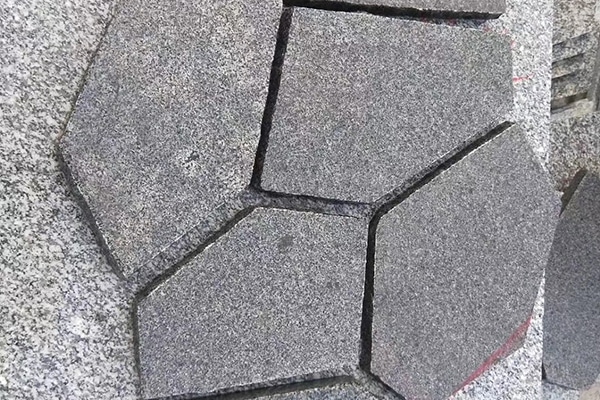
Crack Stone 1
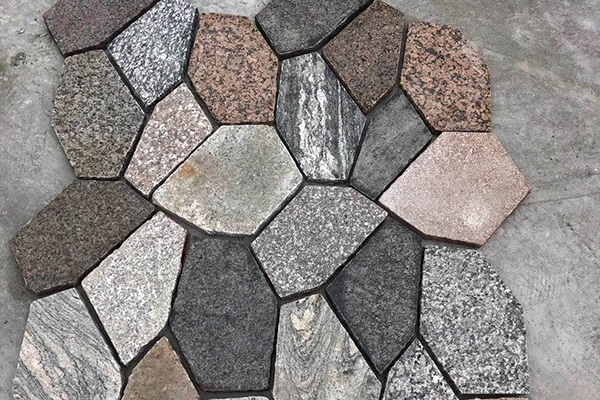
Crack Stone 2
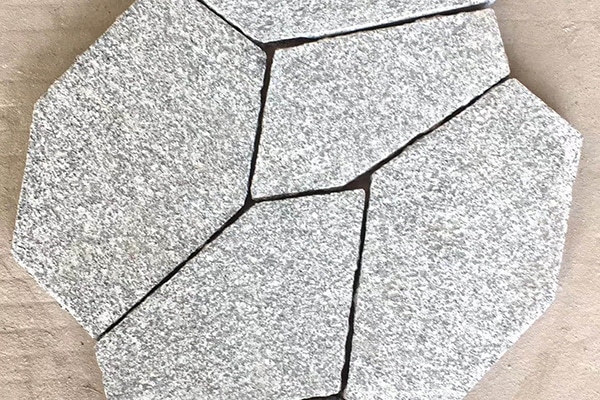
Crack Stone 3
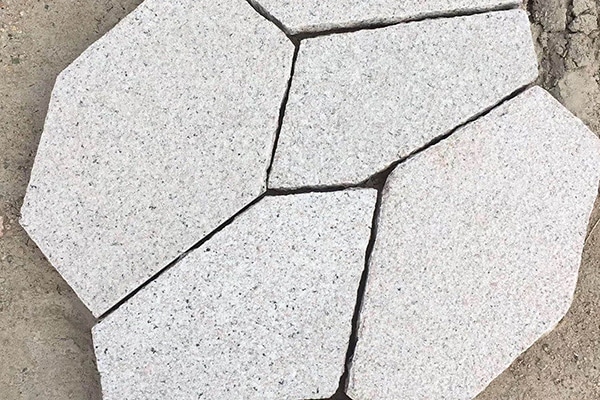
Crack Stone 4
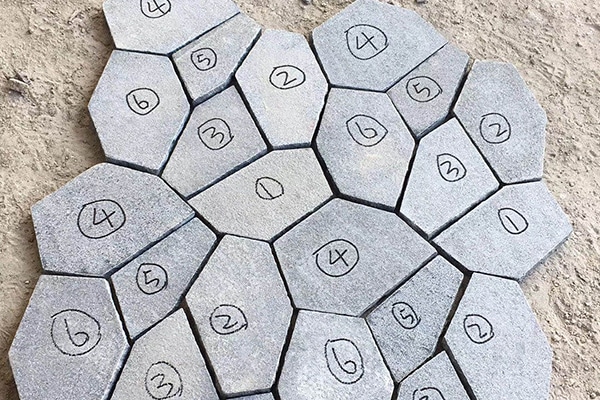
rack Stone 5
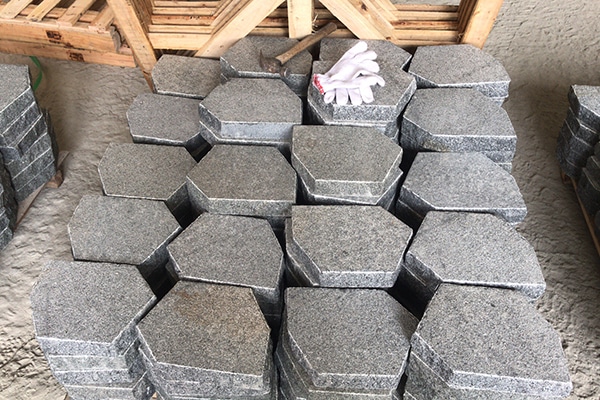
Crack Stone 6
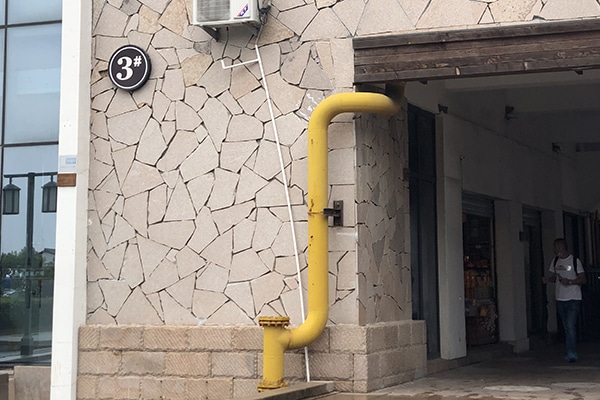
Crack Stone 7
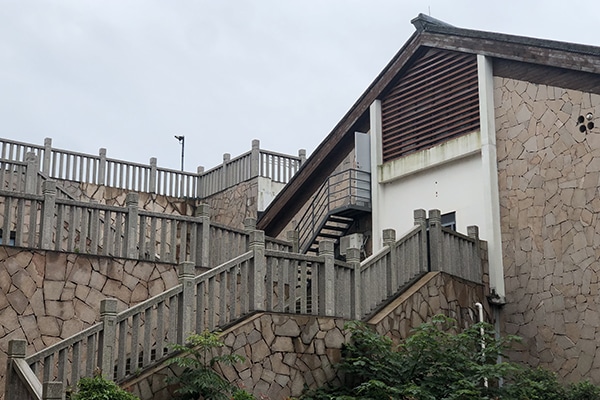
Crack Stone 8
Kerbstone
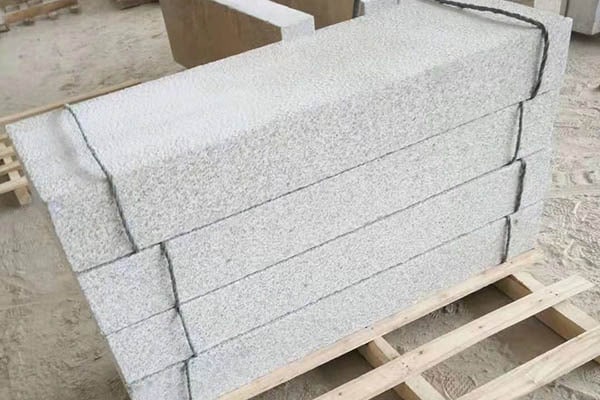
Granite Kerbstone 1
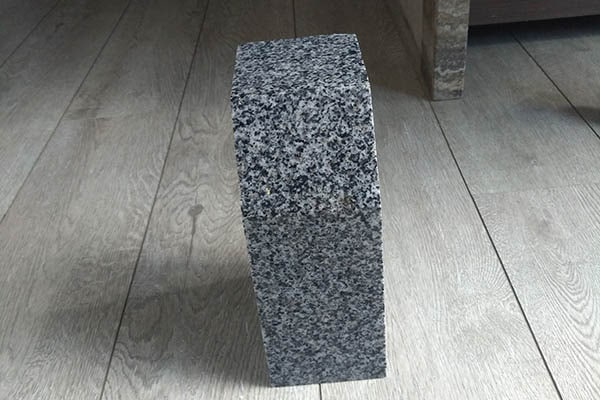
Granite Kerbstone 2
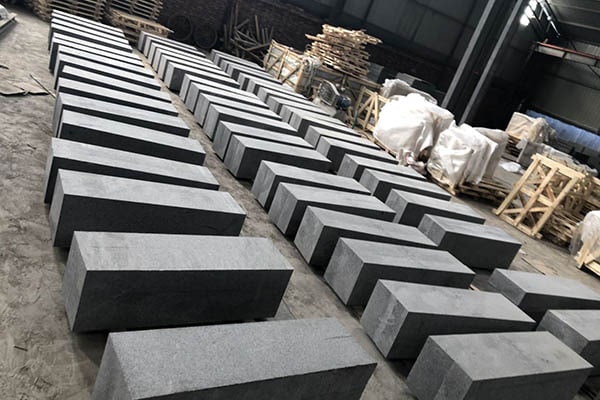
Granite Kerbstone 3
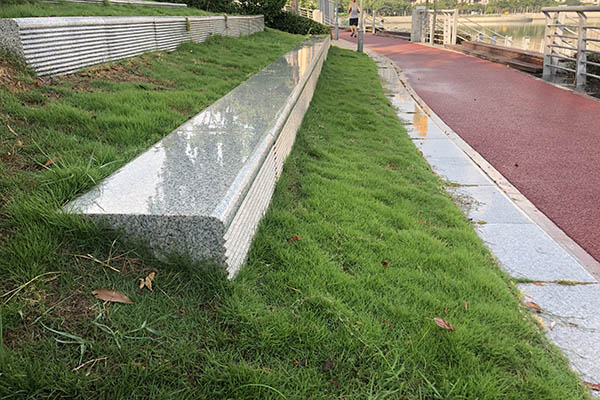
Granite Kerbstone 4
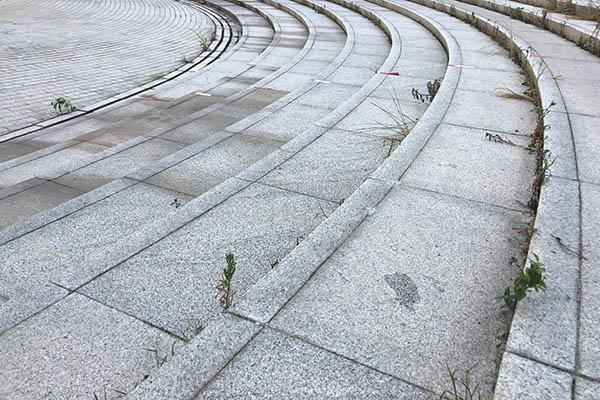
Granite Kerbstone 5
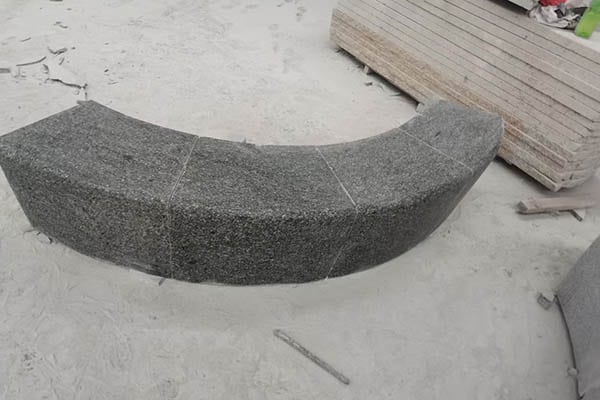
Granite Kerbstone 6
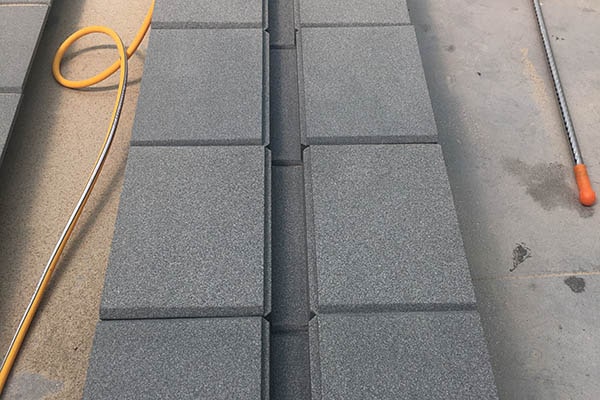
Granite Kerbstone 7
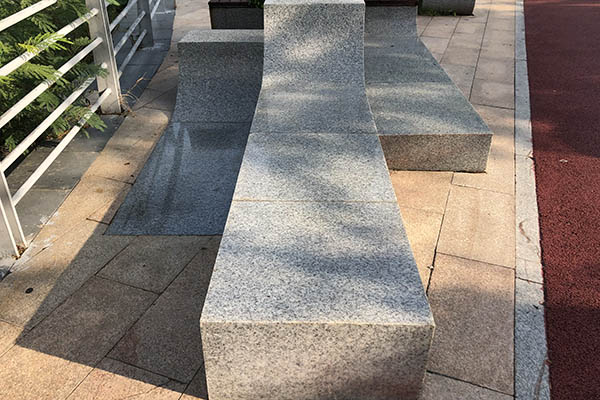
Granite Kerbstone 8
Granite Kerbstone 9
Granite Kerbstone 10
Granite Kerbstone 11
Garden Stone
Garden Stone 1
Garden Stone 2
Garden Stone 3

Garden Stone 4
Garden Stone 5
Garden Stone 6
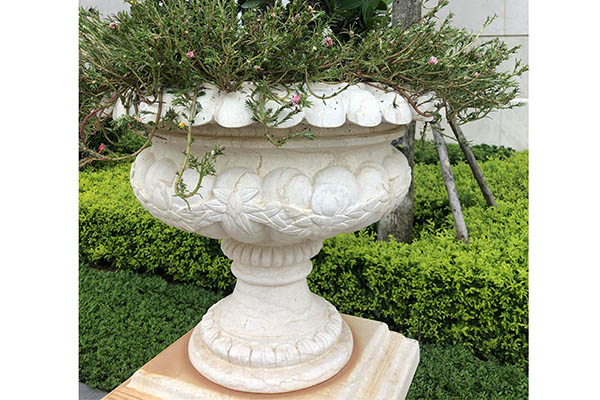
Garden Stone 7
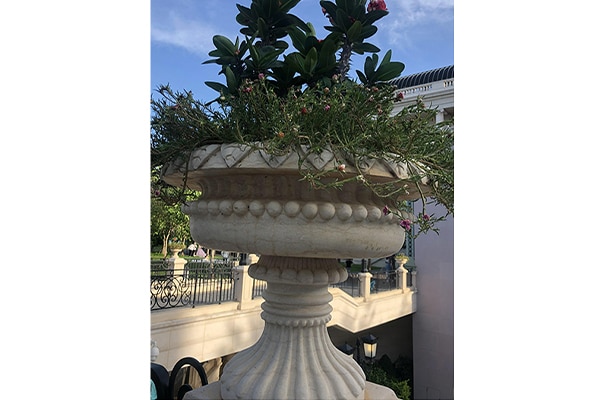
Garden Stone 8
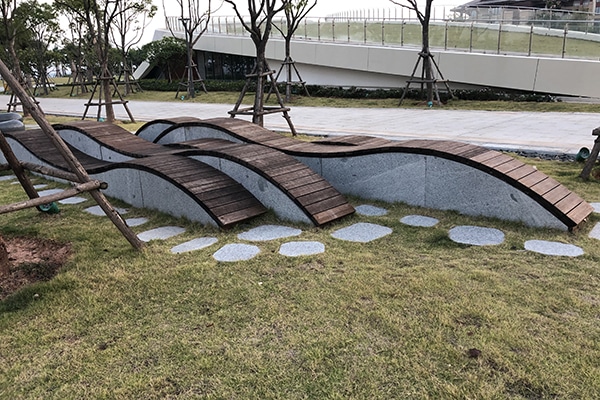
Garden Stone 9
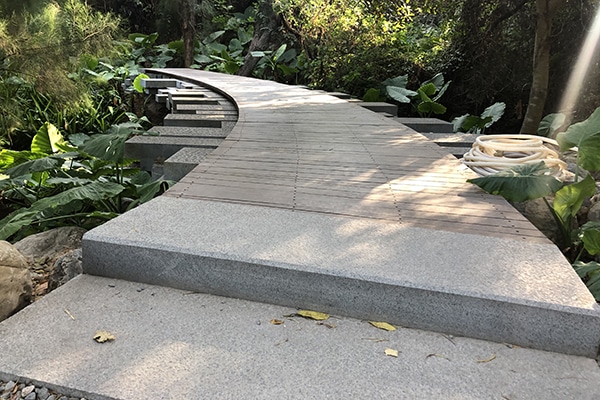
Garden Stone 10
Garden Stone 11
Garden Stone 12
Garden Stone 13
Garden Stone 14
Garden Stone 15
Garden Stone 16
Garden Stone 17
Garden Stone 18

Garden Stone 19
Garden Stone 20
Garden Stone 21
Garden Stone 22
Garden Stone 23
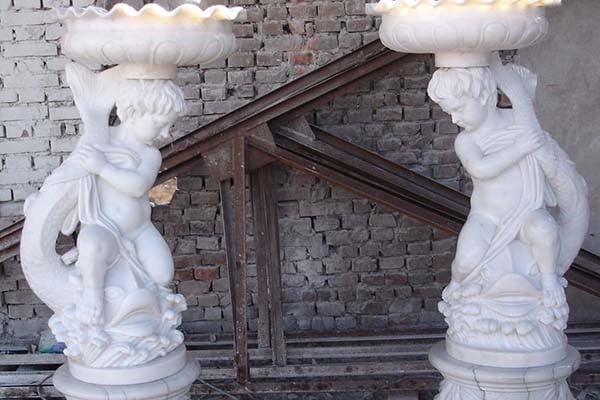
Garden Stone 24
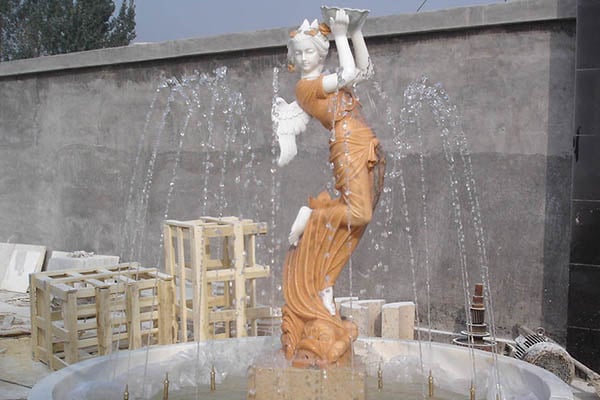
Garden Stone 25

Garden Stone 26
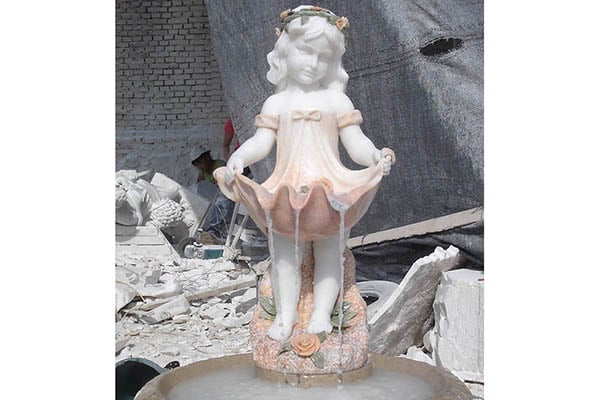
Garden Stone 27
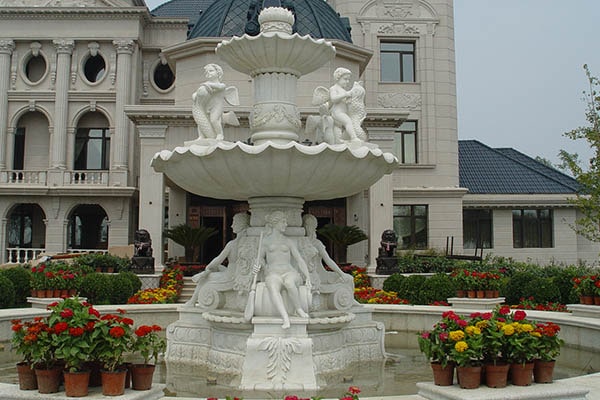
Garden Stone 28
Garden Stone 29
Garden Stone 30

Garden Stone 31
Garden Stone 32
Garden Stone 33
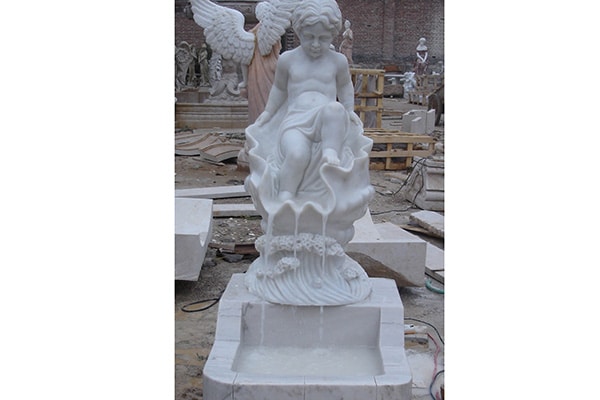
Garden Stone 34
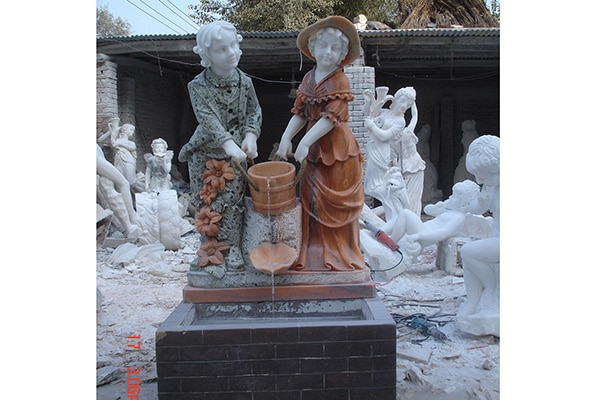
Garden Stone 35
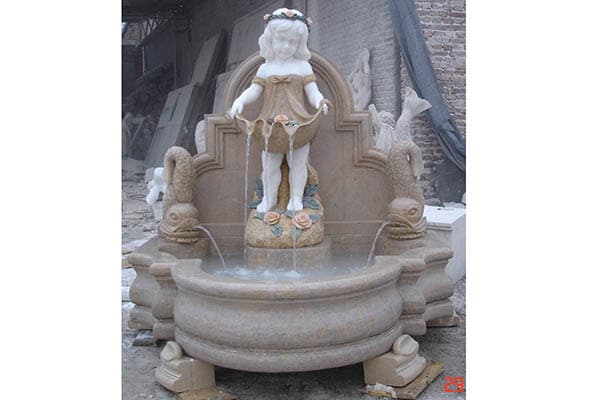
Garden Stone 36
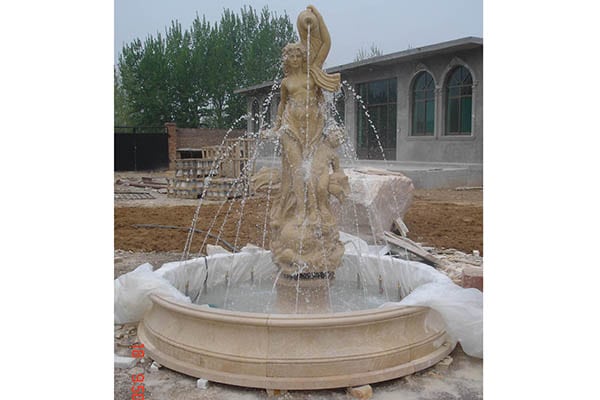
Garden Stone 37

Garden Stone 38
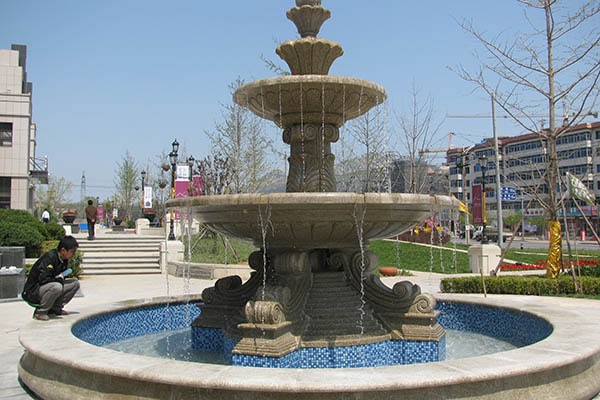
Garden Stone 39
Landscaping stone is natural rock supplied in graded, cut or shaped forms for gardens, paths, driveways, edging, steps, walling and water features. The category runs from loose pebble and crushed aggregate to sawn flagstones, granite setts, kerbstones and individual garden stones, each specified by size, shape, finish and application.
Landscaping Stones: Forms, Sizes and Uses
Landscaping stone is a family of products. A quarry can yield pebble, paving, kerb units, step treads, wall stone and feature stones, each with its own specification and packing. The core forms are pebble stone, kerbstone, wall stone and step stone, supplemented by decorative Crack Stone and Garden Stone pieces.
Size and shape are central to the look and feel of a garden. Fine pebble reads as texture, a large slab reads as architecture, and an irregular feature stone reads as a focal point. Colour and finish sit on top of those decisions.
| Form | What it is | Typical landscaping use |
|---|---|---|
| Pebble and graded aggregate | Screened natural or crushed stone, typically 8–80 mm | Beds, borders, dry creek beds, drainage, pool surrounds |
| Kerbstone | Cut linear units for edge restraint | Paths, driveways, bed boundaries, step edges |
| Paving | Sawn or riven slabs and setts | Patios, walkways, driveways, terraces |
| Step stone | Treads and risers for level changes | Garden steps, entrances, pool coping |
| Wall stone | Dressed or split-face units for vertical work | Low walls, raised beds, garden walls |
| Decorative stone | Crack Stone and Garden Stone ranges | Borders, accents, potted-plant staging, focal points |
Our numbered Crack Stone, Kerbstone and Garden Stone collections sit alongside pebble, paving, wall stone and step stone. The number identifies the catalogue piece, not a geological grade; confirm dimensions, face finish, edge treatment, thickness, packing and approved sample for each item.
Stone also works as a background: a restrained single-colour bed lets pots and foliage stand out, while a busy mixed surface competes. A dark bed or pale gravel apron can frame a showpiece container without adding another pattern.
Pebble, Gravel and Graded Aggregate
Pebble is natural river or quarried rock, tumbled and graded by size—typically 8–80 mm—and supplied in bulk. Loose-laid pebble is inert and permeable, serving as decorative surface and drainage medium.
Specify the size band, not just "pebble". Fine grades suit resin-bound paving, pool surrounds, water features, planters and pot toppings; coarse grades suit dry creek beds, swales and erosion control.
| Size grade | Typical loose depth | Coverage per tonne | Typical applications |
|---|---|---|---|
| 8–12 mm | 20–30 mm | 20–30 m² | Resin-bound paving, pool surrounds, planters |
| 12–20 mm | 30–40 mm | 15–20 m² | Beds, borders, driveways, courtyards |
| 20–30 mm | 40–50 mm | 12–15 m² | Xeriscape beds, tree pits, roof ballast |
| 30–50 mm | 50–60 mm | 10–12 m² | Dry creek beds, swales, edging, gabion fill |
| 50–80 mm | 60–80 mm | 7–10 m² | Riverbed features, large borders, bank erosion |
Coverage is calculated at 1,700 kg/m³, within a typical 1,600–1,800 kg/m³. One tonne covers roughly 10–12.5 m² at 50 mm depth, and weight rather than volume limits loading: expect 20–25 tonnes per 20ft. Add 5–10% on the larger bands, plus margin for waste and top-up.
Roundness is the forgotten specification: rounded river pebble suits barefoot areas and pool surrounds; sub-rounded tumbled stone softens edges; angular crushed stone interlocks on driveways and slopes. Granite is the hardest default for driveways, marble gives brighter whites but is softer, and sandstone is decorative rather than load-bearing. Limestone and marble pebble raise soil pH, whereas granite, basalt and quartz are effectively inert. Put the category, not only the colour, in writing [source: stone-phoenix.com].
Kerbstones, Edging and Edge Restraint
Kerbstones define paving edges and hold the surface in place. Driveways require edge restraint: concrete haunching or heavy-duty metal edging resists the outward push of vehicles. Purpose-cut kerbs of 150×300mm and larger are usual for driveways. In gardens, steel edging, a kerb or a set strip of larger stone keeps loose pebble from spreading; without an edge, a loose-laid bed can lose half its design depth within two years.
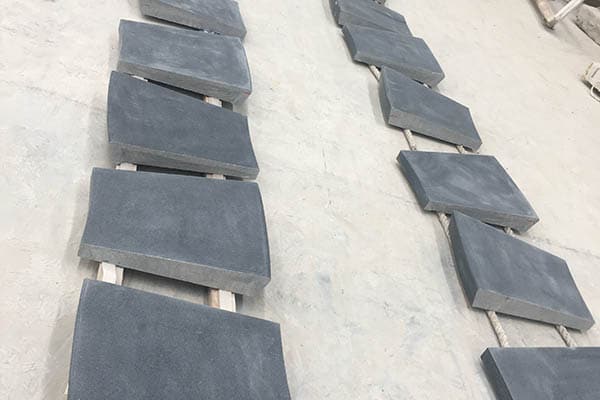
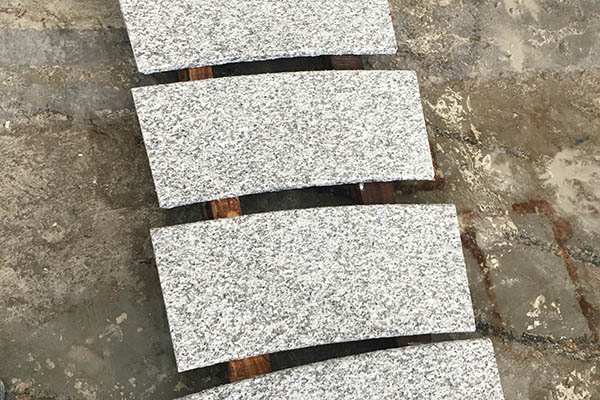
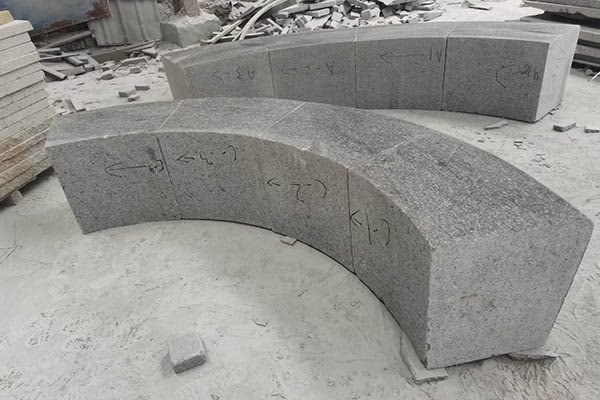
The Kerbstone collection supplies granite kerbstones in numbered references for straight runs, corners and transitions. Confirm length, width, thickness, top finish and shaped sections on the drawing; consistent height and a clean top edge matter as much as stone type. Set units on a compacted base, haunch them, and check line, level and fall before paving. Edges separate materials, retain paving, guide drainage and define levels; in vehicle areas, edge and base carry load together.
Paving for Patios, Paths and Driveways
Natural stone paving is cut and finished stone for outdoor walking surfaces. With correct base preparation, drainage and stone selection, it offers 50+ year durability, freeze-thaw resistance and unit-by-unit repair. Architects specify it because thickness, joint width and finish can be written into the contract.
Thickness follows the application and the base, not a generic preference; thicker stone does not compensate for a weak base.
| Thickness | Application | Base required | Relative cost |
|---|---|---|---|
| 20–22 mm | Pedestrian paths, light patios | Full mortar bed or 100mm compacted hardcore plus 25mm sand | Baseline |
| 30–32 mm | Standard patios, driveways with correct base | 100–150mm compacted hardcore plus 30mm sand, or mortar | +30–40% |
| 40–50 mm | Driveways, commercial, public space | 150mm compacted hardcore minimum | +60–90% |
| 50mm+ setts or cubes | Heavy traffic, heritage streets | 150–200mm engineered base | +100%+ |
The base is 80% of the job. Remove topsoil and organic material, place non-woven geotextile, add angular crushed stone such as 3/4" minus or MOT Type 1 in 2" lifts, screed 1" of sharp sand, lay and check level, then fill 8–15mm joints with kiln-dried sand or a permeable compound. Driveway surfaces should fall at least 1/4" per foot away from structures.
For driveways, granite setts are the reference choice: 60mm minimum for cars and SUVs, 80mm for occasional trucks and 100mm+ for commercial traffic, over at least 8" of compacted base for residential driveways and 12"+ for commercial work or heavy clay soils. Edge restraint is mandatory.
Layouts include random rectangular sets of 600×900mm, 600×600mm, 600×300mm and 300×300mm; modern 60×60, 60×90 and 60×120cm mixes; 80×80cm and larger slabs; crazy paving; and stepping stones at 24"-28" centers. Material is a fraction of installed cost: FOB paving runs $15–35/m², saving 30–50% versus domestic yards before freight. Order 5–8% extra from the same batch [source: stone-phoenix.com].
Steps, Stepping Stones and Level Changes
Step stone covers treads, risers, landings and pool copings. Use riser height 100–180mm, tread depth 280–350mm, consistent risers, 1–2% tread slope for drainage and 30–50mm tread thickness, with a flamed or bush-hammered finish for wet grip. Granite and basalt dominate; sandstone suits mild climates. Footings must be frost-resistant where the climate requires it.
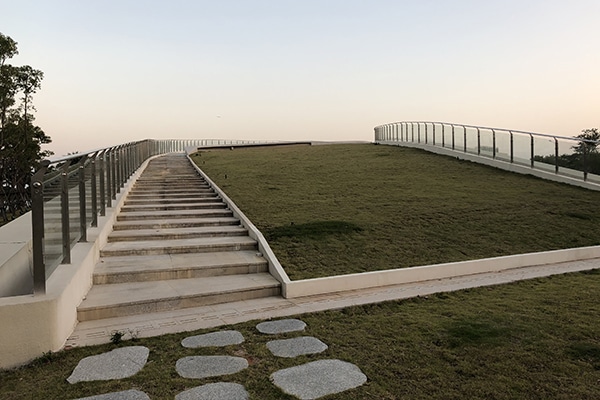
Stepping stones create the most informal path: granite slabs of 300–600mm, or basalt, sandstone and slate at 25–40mm, set 600–700mm center-to-center (24"-28"). Use close-set stone for frequent access and spaced steppers for occasional garden use.
Steps are a safety product. Provide a visible edge, a slip-resistant finish, drainage off the tread and no loose gravel at the top or bottom, where it can migrate onto the step. Keep risers consistent; one high step is a trip hazard even when every individual dimension is within tolerance.
Wall Stone, Garden Stone and Decorative Pieces
Wall stone is the vertical counterpart to paving, used for low retaining walls, raised planting beds and freestanding garden walls in dry-laid or mortared work. Specify thickness, face finish, corner pieces and course consistency; a wall that mixes thick and thin units without a plan is slow to build and visually restless. Retaining walls need drainage behind the face and a structural design appropriate to the retained height.
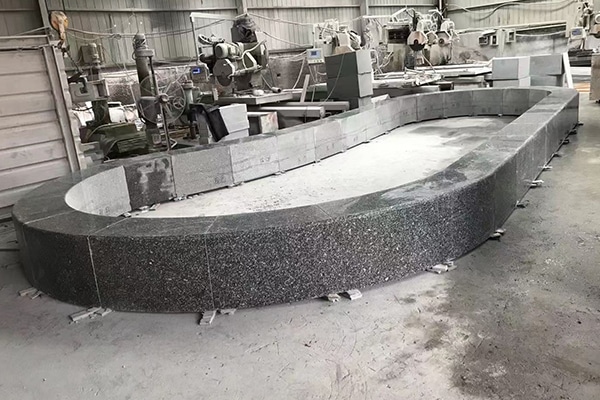
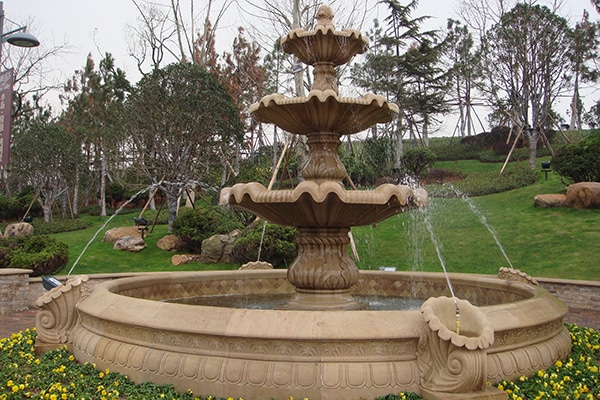
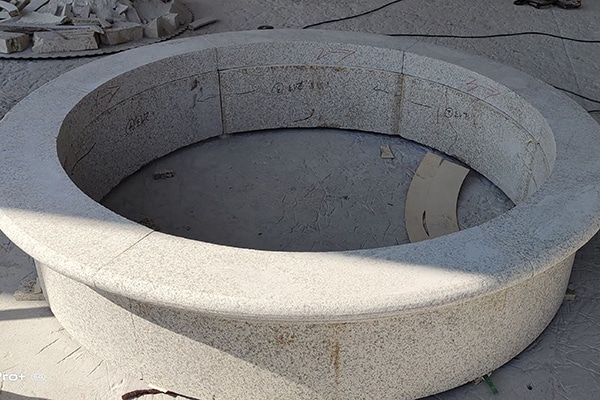
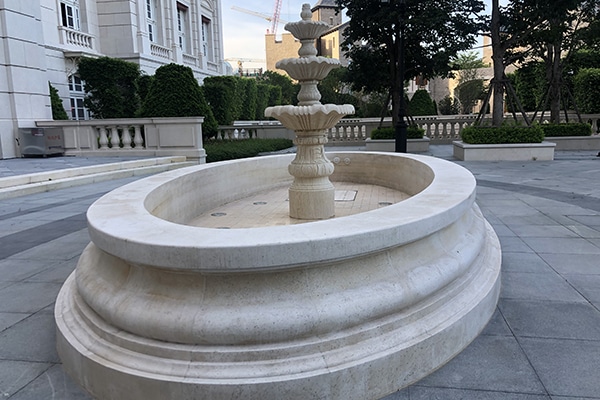
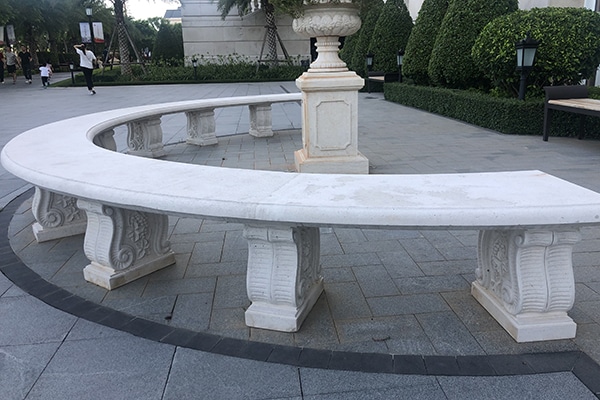
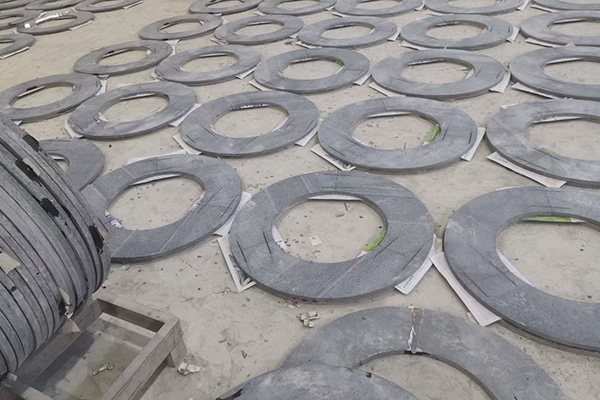
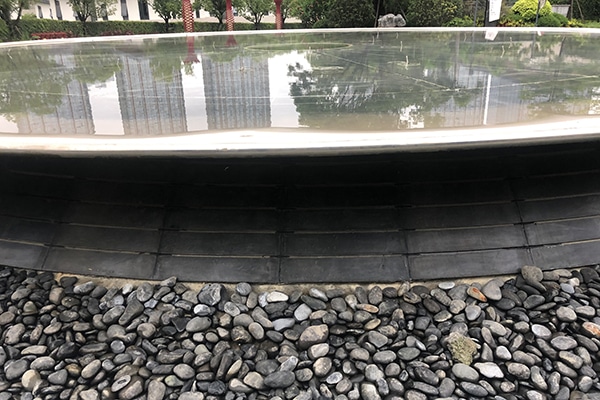
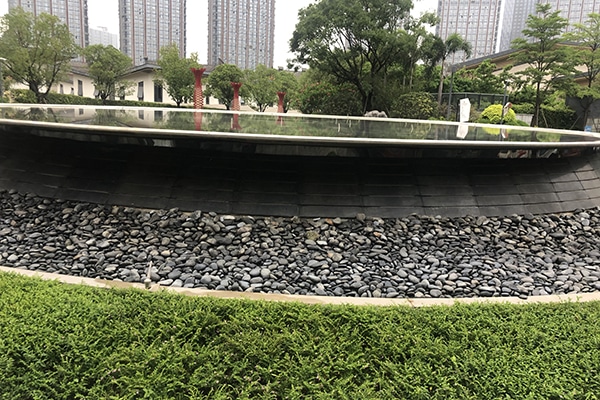
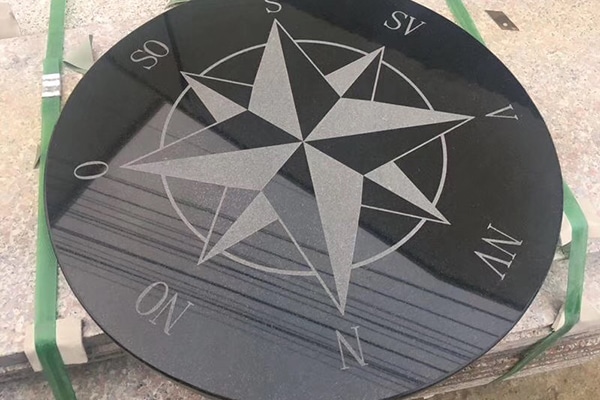
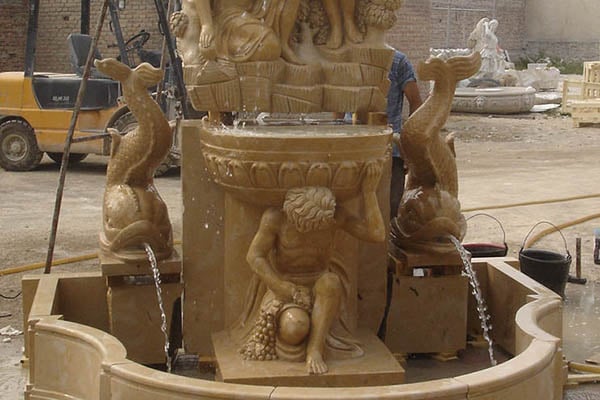
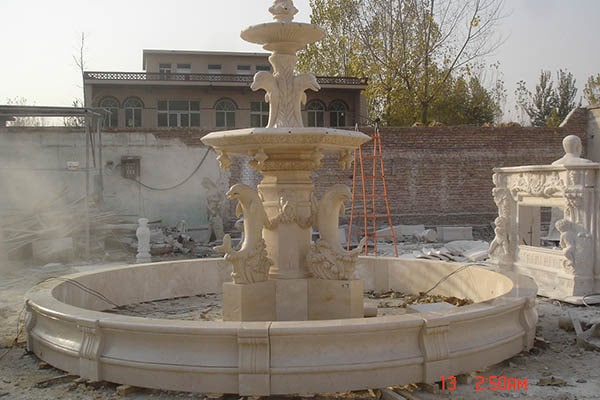
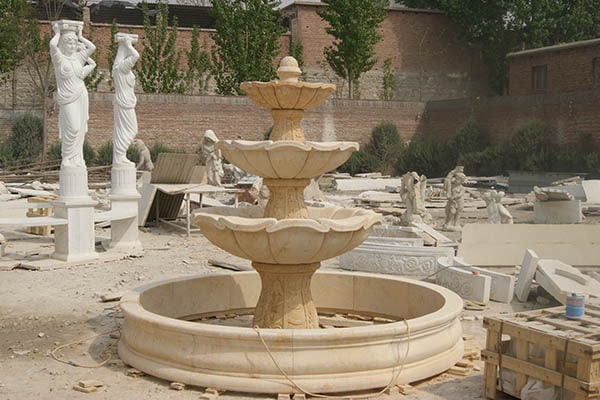
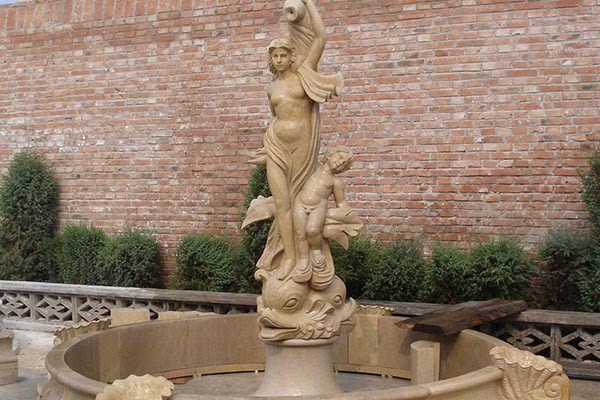
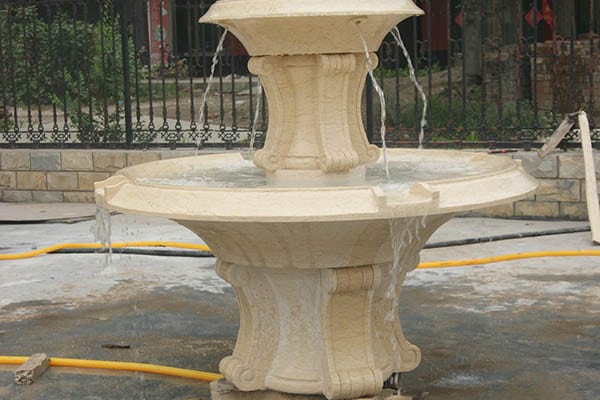
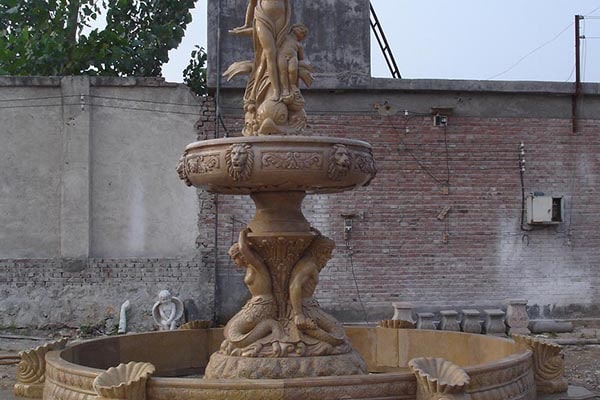
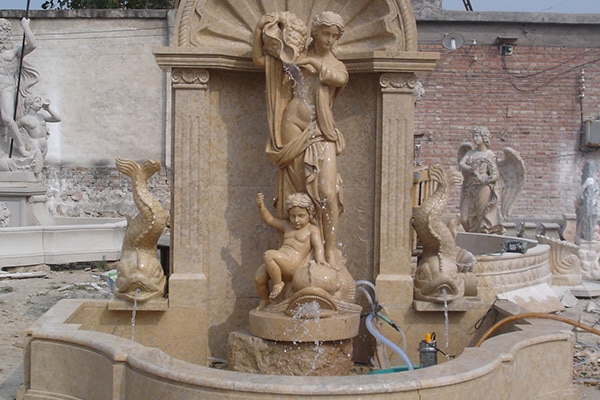
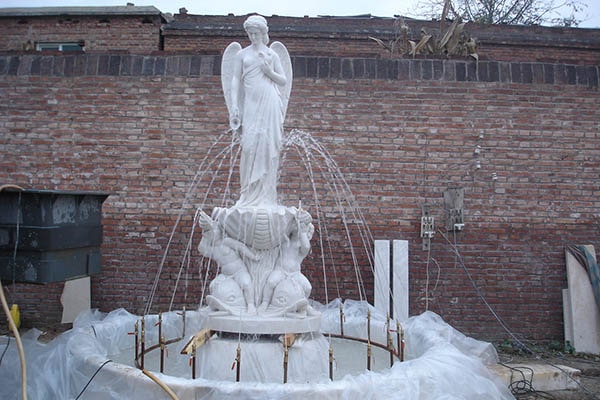
The Garden Stone collection supplies individual feature stones for borders, path junctions, step edges and planting pockets. Set the piece partly into the ground so it reads as part of the landscape, and plan lifting access before delivery.
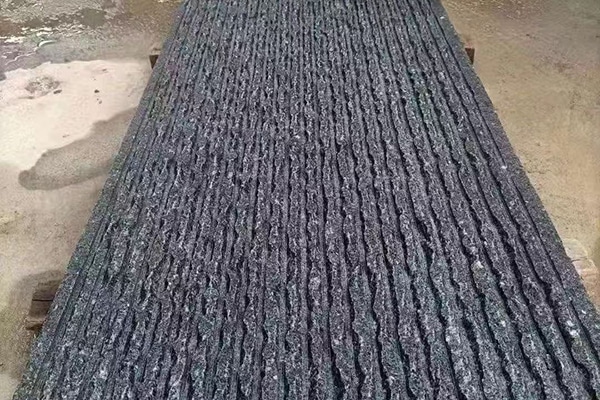
The Crack Stone collection has a fractured, textured face for bed topping, borders, accents and focal points. It is not a substitute for compacted paving in a traffic area. Decorative stone works through contrast: one garden stone against fine pebble, or a rough Crack Stone edge against sawn paving. For pots, a large stone behind the container gives scale and keeps the pot from looking stranded.
Stone or Porcelain for Outdoor Surfaces?
Outdoor porcelain is a manufactured tile: refined clay, feldspar and mineral pigments, dry-pressed and fired until the body vitrifies, usually 20mm thick outdoors. Natural stone is dimensioned rock with colour running through its full thickness. Porcelain wins on absorption and dimensional consistency; stone wins on abrasion resistance, repairability and depth of colour.
| Property | Natural stone | 20mm outdoor porcelain |
|---|---|---|
| Water absorption | Granite 0.01–0.8%, with ASTM C615 capping it at 0.40%; sandstone 0.3–12% depending on cement | ≤0.5% under EN 14411 Group BIa; most pavers declare ≤0.1% |
| Slip resistance | Flamed granite and natural cleft sandstone reach R11–R13; polished is R9 | Structured unglazed R11–R13; lappato R9–R10 and not for outdoor use |
| Repairability | Units can be replaced or refinished; surface can be re-ground or re-flamed | Cannot be refinished; a damaged unit must be replaced, and batches change |
| Lifespan evidence | 50–100+ years, with field evidence | Roughly 15 years as an outdoor product category |
| Weight | ~54 kg/m² at 20mm; ~81 kg/m² at 30mm | ~44–55 kg/m² at 20mm; ~82.5 kg/m² at 30mm |
Porcelain suits rooftop terraces, balconies and raised decks because 20mm porcelain is 30–40% lighter than equivalent stone and lifts out for membrane access. It also suits outdoor kitchens, spill-heavy dining and rental properties with no sealing regime. It needs a full mortar bed with slurry primer or adjustable pedestals; a 20mm paver on a sand bed will crack. Vehicle use requires 30mm, not 20mm.
Natural stone remains stronger for driveways, commercial plazas, coastal projects and heritage work, and is the practical choice for custom edge profiles, curved layouts or unit-by-unit repair. Flamed granite is the reference for vehicle areas and salt exposure; 60–100mm setts carry vehicle loads. For a 50-year design life, granite has the longer evidence base.
Installed costs converge. Factory-direct 20mm porcelain is about $4.20–6.50/m² FOB and stone paving $15–35/m²; installed UK benchmarks range from £75–120/m² for sandstone to £85–180/m² for porcelain and £110–180/m² for granite. Both families commonly carry 10–20 year warranties, but these do not cover departure from the method statement [source: stone-phoenix.com].
Finishes, Slip Resistance and Safety
Finish changes slip resistance, maintenance and colour reading. The same granite is R9 polished and R13 flamed; texture, not material name, decides the rating. Outdoor finishes include flamed, bush-hammered, natural cleft or riven, honed, tumbled and split face. Polished belongs in dry, covered areas.
DIN 51130 sets the R-rating: R9 covers 6 to under 10° and is not acceptable outdoors; R10 covers 10 to under 19° for sheltered entrances; R11 covers 19 to under 27° and is the practical outdoor minimum for pool surrounds, ramps and stairs; R12 covers 27 to under 35° for permanently wet or steep surfaces; R13 covers 35° and above. DIN 51097 adds barefoot classes: Class A covers 12 to under 18°, Class B covers 18 to under 24° for pool surrounds, and Class C covers 24° and above for steps into water.
US guidance works differently. ANSI A326.3 sets 0.42 wet DCOF for level interior floors and 0.60 or above outdoors; in the UK, a wet PTV of 36 or above is treated as low slip risk under BS 7976-2. A pool deck in porcelain should carry both an R11 and a Class B or C declaration from the same batch; flamed granite and bush-hammered sandstone can satisfy both. Specify the finish and rating for the actual batch.
Colour, Texture and Planting Design
Pebble colours are white, black, grey, yellow or beige, red or pink, green and mixed. White and black are the most specified and the hardest to produce consistently; mixed and grey are value grades. Colour sorting carries a premium because yields are low: a quarry may screen several tonnes of mixed river gravel to produce one tonne of uniform white.
Colour has a technical consequence. Light pebble reflects solar radiation and supports heat-island targets; dark basalt absorbs it. Limestone and marble pebble raise soil pH, whereas granite, basalt and quartz are effectively inert.
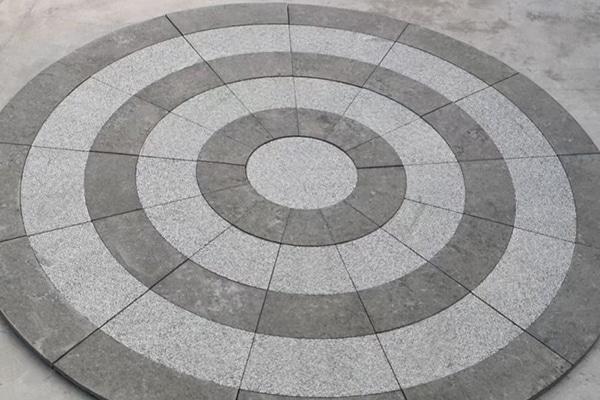
Texture carries the design. Riven and cleft surfaces read as informal and traditional; flamed surfaces read as uniform and modern; tumbled edges soften a path; split faces add shadow and relief. A contrasting border can define a zone without a change of level: granite setts around a sandstone patio, or slate insets within a limestone field.
Use stone as a background for pots. A pale gravel apron under a dark planter, or a dark pebble bed under a pale pot, separates the container from the soil and makes the plant the subject. Keep the stone quieter than the planting in a small garden; a broad colour range needs one dominant tone and a few accents.
Climate, Absorption and Freeze-Thaw
Freeze-thaw damage is caused by water in connected pores expanding roughly 9% by volume as it turns to ice, not by cold alone. Absorption and pore connectivity decide frost performance; hardness is almost irrelevant.
Granite runs 0.01–0.8% absorption, capped at 0.40% by ASTM C615, with minimum compressive strength of 19,000 psi (131 MPa) under ASTM C170. Sandstone spans 0.3–12% depending on whether its cement is silica or clay and iron oxide. Limestone is capped at 12%, 7.5% and 3.0% across its density classes under ASTM C568. Hard slate runs 0.1–0.4% absorption and ASTM C629 caps it at 0.45%; reject anything above 0.5% in a hard-frost climate.
EN 12371 is the European frost test for paving. It runs 56 cycles under EN 1341 for slabs, EN 1342 for setts and EN 1343 for kerbs, and the usual acceptance criterion is at least 80% of the original compressive or flexural strength surviving. EN 1367-6 adds salt-frost testing, and Germany's TL Pflaster-StB 06 requires mass loss ≤2%.
| Climate or exposure | Suitable natural stone | Key specification note |
|---|---|---|
| Warm and dry, no freeze | Limestone, travertine, sandstone | Sealing still required for porous stone |
| Temperate, light frost | Silica-cemented sandstone, slate, granite | Verify EN 12371 data for the specific quarry |
| Hard continental freeze | Granite, dense quartzite; avoid travertine | Require 56-cycle EN 12371 and 80%+ residual strength |
| Coastal with salt spray | Flamed granite; avoid limestone | Request EN 1367-6 salt-frost data |
| Heavily de-iced commercial | Granite setts | EN 1367-6 mass loss ≤2% per TL Pflaster-StB 06 |
Drainage, Permeability and Sustainable Projects
Loose pebble has no surface sealing; water passes through 30–40% void space into the sub-base. Infiltration practices are commonly credited with around 85% runoff volume reduction, up to 100% with full infiltration and no overflow. The subgrade, not the surface, is usually the constraint: full infiltration without an underdrain normally needs at least 0.5 in/hr (12 mm/hr); some jurisdictions require 2 in/hr, and rates between 0.5 and 1 in/hr typically require an underdrain. Ask for the geotechnical report before promising performance.
Open-jointed paving supports the same approach: mortar joints are rigid for granite and basalt; open sand-filled joints drain and move, and polymeric sand resists weeds while staying permeable. For driveways, sealed joints prevent oil penetration.
LEED v4.1 BD+C offers two relevant credits. Rainwater Management, up to 3 points, requires managing runoff from at least the 80th percentile rainfall event with low-impact development; permeable paving qualifies. Heat Island Reduction, up to 2 points, can use open-grid pavement at least 50% pervious or pavement with initial solar reflectance of at least 0.33. Light pebble helps; dark basalt does not. Credit availability is project-specific, and a pebble product is not itself "LEED certified"; LEED certifies buildings.
Loose pebble is low-processing: extraction, screening, washing and grading, with no kiln, cement or chemical treatment. Industry EPD data puts dimension stone at roughly 14–22 kg CO₂e/m² cradle-to-gate against 78–104 kg CO₂e/m² for concrete pavers. A concrete pavement can reach up to 276 kg CO₂e/m² over its full life cycle, and a long-haul, highly processed stone plaza at 110+ kg CO₂e/m², showing that transport and processing can dominate [source: stone-phoenix.com].
Two caveats matter. Resin-bound and cement-bound surfaces contain a binder: resin-bound is roughly 7.5–8% polyurethane resin by weight; cement-bound uses Portland cement and is not permeable. Where targets are strict, specify loose-laid pebble or a documented bio-based binder. Second, pebble is dense, so shipped material carries real freight carbon: calculate with the actual freight distance, and check for a suitable domestic grade before specifying an imported one.
Certification schemes certify different things: SITES v2 addresses sustainable landscapes; ANSI/NSC 373 (now ANSI/NSI 373) covers dimension-stone production at Bronze, Silver, Gold or Platinum; ISO 14001 and ISO 9001 cover management systems. Loose aggregate is rarely certified, so treat it as a supplier-vetting question.
Sampling, Testing and Batch Control
Batch mismatch is visible immediately and cannot be corrected after installation. Source from a single seam or quarry, place the full project quantity in one production run, and have both parties retain a signed reference sample with a written tolerance. Ask for pre-shipment photographs, a dry-lay photograph for multi-container orders, and reserve later phases' stock.
Pebble uses the aggregate suite: ASTM C136 / C136M for sieve analysis, C117 for fines, C131 / C131M for abrasion, C88 for soundness, C127 / C128 for specific gravity and absorption, C29 for bulk density and voids, and C40 for organic impurities. Ask for the actual sieve curve rather than a "complies with" statement, because grade drift is the most common substitution.
Paving uses ASTM C97 for absorption and density, C170 for compressive strength, C880 for flexural strength and C615 for granite, or EN 13755, EN 1926, EN 12372 and EN 12371. European slabs, setts and kerbs follow EN 1341, EN 1342 and EN 1343, commonly Class 1 ±2mm. Aggregates follow EN 12620 and EN 13242 with a CE Declaration of Performance. Reports must identify the production batch; a catalogue average is not batch evidence.
Incoming inspection should be documentary and physical. Count crates and pieces, measure thickness and calibration, compare colour and finish with the sealed sample under project lighting, inspect cracks and repairs, tie test reports to the delivered batch, and verify spares. Photograph issues with crate labels before cutting or installing.
Packing, Container Loading and Ordering
One 20ft container is the standard export minimum. Pebble is weight-limited rather than volume-limited: a 20ft carries 20–25 tonnes and a 40ft carries 25–27 tonnes, only about 10–20% more. Packaging changes discharge and resale. PP woven bags of 25 kg run about 40 bags per tonne and load 800–1,000 bags in a 20ft or 1,000–1,080 in a 40ft; jumbo and palletised bags of 1–1.5 tonnes load 20–25 tonnes in a 20ft; fumigated crates protect polished or fragile decorative grades.
Paving loads differently: a 20ft container carries roughly 480–600 m² of 20mm porcelain, 300–330 m² of 30mm granite or 150–170 m² of 60mm setts. Check road weight limits and inland haulage.
Indicative pebble FOB is $40–$220 per tonne. Tier pricing has shown $168/tonne for a 25–49 tonne order and $40/tonne above 100 tonnes, so confirm whether a quote is per tonne, per bag or per m², and whether the "ton" is 1,000 kg or 907 kg. Paving FOB runs $15–35/m², with savings of 30–50% versus domestic yards before freight.
Lead time is typically 20–30 days from deposit to container readiness, with samples in about 7 days. Standard terms are 30% deposit with the balance against a copy of the bill of lading. FOB is roughly 50–65% of landed cost after freight, insurance, duty, port charges and inland delivery, so build a landed-cost model. For a usable quotation, send the form, dimensions, size grade or thickness, quantity, finish, packing, destination port, Incoterm and required tests; "white pebbles" alone will attract quotes for several different products.
Installation and Maintenance Planning
Pebble has three installation methods. Loose-laid pebble uses a compacted sub-base, geotextile and 40–75 mm of stone for beds, borders, tree pits and roof ballast, and depends on edge containment. Resin-bound paving mixes aggregate with two-part polyurethane over a porous base: 6mm aggregate uses 15–18mm pedestrian or 18–20mm driveway depth, about 150mm of open-graded sub-base, a fall near 1.5%, an aliphatic UV-stable resin, and roughly 80 kg aggregate to 6.25–7.5 kg resin. A compliant system is rated to around 7.5 tonnes gross vehicle weight, cures in 4–6 hours to foot traffic and 24–48 hours to vehicles, and needs a minimum 5°C. Cement-bound pebble is rigid and slip-resistant but not permeable, and cracks if the base moves.
For paving, excavate 150–200mm for pedestrian areas and 200–250mm for driveways, remove organic soil, compact hardcore in two layers, screed 25–40mm of sharp sand or use a full 1:4 mortar bed, lay from a corner, cut edges with a diamond blade and fill joints. Keep traffic off for 24–48 hours, or 7 days for mortar joints.
Maintenance is low, not zero. Sweep regularly, use a mild stone cleaner and avoid pressure washing above 1500 PSI. Reseal honed paving every 12–18 months; natural cleft and flamed paving are optional every 2–3 years but should be sealed in freeze-thaw climates. Weeds come from the layer beneath, so geotextile at construction is more effective than herbicide; fabrics are typically effective for around 2–5 years, and debris forms a soil layer within 5–8 years.
Plan replenishment. Allow 5–10% pebble loss over five years, 5–8% paving spares and 5–10% porcelain attic stock, all from the same batch. Loose pebble is a 20-year-plus surface, natural stone paving a 50–100 year investment, and resin-bound paving 8–20 years before the resin, not the stone, wears. Cement-bound surfaces may need repointing every 5–10 years.
Request a Landscaping Stone Quotation
Send the form, dimensions, quantity, finish, packing, destination port and required test reports to sale@stone-phoenix.com. We quote FOB, CIF and DDP and can supply samples before a first container.
Frequently Asked Questions
What landscaping stone forms can you supply?
We supply loose pebble and graded aggregate, paving, kerbstones, step stone, wall stone, and the numbered Crack Stone and Garden Stone collections. Each form is quoted by size, shape, finish, thickness and packing. Send the application and drawing before pricing.
What size pebble should I use for a garden bed or driveway?
Beds and borders take 12–20 mm or 20–30 mm; dry creek beds and swales 30–50 mm; large borders and bank erosion control 50–80 mm. Driveways need a bound or grid system, not loose pebble alone. Resin-bound paving uses 6–10 mm aggregate; a cellular grid typically takes 10–20 mm pebble.
How much area does one tonne of pebble cover?
At 1,700 kg/m³, one tonne covers roughly 10–12.5 m² at 50 mm depth. By grade, the working figures are 20–30 m² for 8–12 mm, 15–20 m² for 12–20 mm, 12–15 m² for 20–30 mm, 10–12 m² for 30–50 mm and 7–10 m² for 50–80 mm. Add 5–10% for the larger bands, plus waste and top-up.
Which stone is suitable for a driveway?
Granite setts are the reference: 60mm minimum for cars and SUVs, 80mm for occasional trucks and 100mm+ for commercial traffic, over at least 8" compacted base for residential driveways and 12"+ for commercial work or heavy clay. Edge restraint is mandatory. Basalt at 50mm+ matches granite performance at lower cost; sandstone works at 30–40mm only on sound bases in mild climates.
Is natural stone or porcelain better for a rooftop terrace?
Porcelain is lighter: 20mm porcelain is 30–40% lighter than equivalent stone, and pavers on pedestals lift out for membrane access. Natural stone remains the choice where a 50-year design life, custom edge profiles or heritage character matter. Neither suits a sand bed on a roof; porcelain needs a full mortar bed or pedestals, and stone needs a base designed for the structural load.
What slip rating does a pool surround need?
A pool surround needs R11 as the practical outdoor minimum, plus a barefoot classification under DIN 51097: Class B for standard pool surrounds and Class C for steps into water or inclined pool edges. Flamed granite and bush-hammered sandstone can satisfy both. Ask for both declarations from the same batch; avoid polished finishes there.
How do I keep colour consistent across repeat orders?
Source from a single quarry seam, place the full project quantity in one production run, and have both parties retain a signed reference sample with a written tolerance. Ask for pre-shipment photographs and a dry-lay photograph for multi-container orders. For phased projects, reserve later phases' material at the outset.
Which tests should I request for pebble and paving?
For pebble, request ASTM C136 / C136M, C117, C131 / C131M, C88, C127 / C128, C29 and C40, and EN 12620 or EN 13242 with a CE Declaration of Performance. For paving, request ASTM C97, C170, C880 and C615, or EN 13755, EN 1926, EN 12372 and EN 12371. Reports must relate to the actual production batch.
What is the minimum order and lead time?
The standard export minimum is one 20ft container, typically 20–25 tonnes of pebble or 480–600 m² of 20mm porcelain. Lead time is 20–30 days from deposit to container readiness; samples take about 7 days. Standard terms are 30% deposit with the balance against a copy of the bill of lading, quoted FOB, CIF or DDP.
How much extra stone should I order?
Order 5–8% extra for paving cuts and replacement, 5–10% attic stock for porcelain because batches change, and a 5–10% top-up margin for loose pebble over five years. Keep spares from the same batch; a later reorder may not match the installed colour.
Related Guides
- Natural Stone Paving Guide — patios, driveways, walkways, base build-up and paving details.
- Stone vs Porcelain for Outdoor Use — absorption, slip ratings, freeze-thaw and installed-cost comparisons.
- Pebble Stone for Sustainable Landscaping — size grades, stormwater performance, certifications and maintenance.
- Stone Maintenance Complete Guide — cleaning, sealing and long-term care for exterior stone.
- Stone Container Loading Guide — packing formats, weight limits and container planning.
Landscaping Stones
Landscaping rocks include pebble stone, kerbstone, wall stone, step stone etc which can add texture, color or be used as an interesting background that makes most potted plants pop and stand out.
For all rock work, the size and shape of the stone are central to achieving the look and feel you desire.
The possibilities are endless when using landscaping rocks to decorate the gardens to meet everyone's requirement
Request Free Quote
Thanks for your interest in our products. If you would like to get more information on any product, please send us an email or call us at any time, we will reply to you within 24 hours. We are looking forward to cooperating with you.
Get Instant Quote