Natural pebble stone is river or quarried rock that has been tumbled, screened and graded by size for landscaping, flooring and decorative use. This page sets out the pebble grades, colors and finishes we export from China, the specifications that determine performance, and the checks an importer should complete before a container is loaded.
What We Supply
Phoenix Power Stone supplies white, red, black, mixed, yellow and green pebbles in polished and unpolished finishes. We quote bulk grades by tonne, packed for landscape distributors, builders’ merchants and project delivery, and we confirm the stone type, size band, finish and packing before production. The range is built around repeatable color grades rather than one-off decorative lots.
Pebble is not one product. It is a family of graded natural aggregate defined by material, size grade, surface finish and color. Two quotations for “white pebbles” can describe different rocks, different screening bands and different preparation, so the specification sheet is the part that makes them comparable. The variables below change coverage, weight, drainage behavior, appearance and price.
A Material with a Long Record
Pebble work has a documented history. Our history guide records pebble mosaics in Asia Minor dated to the 8th century BCE, and the Greek city of Pella has late 4th century BCE floors with pebbles as small as 5mm, surviving over 2,300 years. Japanese pebble and gravel gardens developed from the 14th century onward. For a modern buyer, the lesson is not nostalgia: pebble was used because it was available, durable and locally variable. The difference today is that a reliable installation depends on geotextile separation, edge restraint, correct depth and controlled drainage, not craft alone.
Pebble can sit beside stone paving, timber decks, rendered walls and planting without looking manufactured. The specification changes with the application; the material family stays recognizable.
Size Grades and Coverage
Pebble is screened into working bands. The five grades below cover our bulk landscaping range; grade determines the loose depth, coverage and application. The figures are practical working bands, not a sieve certificate.
| Size grade | Typical loose depth | Coverage per tonne | Typical applications |
|---|---|---|---|
| 8–12 mm | 20–30 mm | 20–30 m² | Resin-bound paving, pool surrounds, water features, planters, pot toppings |
| 12–20 mm | 30–40 mm | 15–20 m² | Beds, borders, resin-bound driveways, courtyards |
| 20–30 mm | 40–50 mm | 12–15 m² | Xeriscape beds, tree pits, roof ballast, dry creek edges |
| 30–50 mm | 50–60 mm | 10–12 m² | Dry creek beds, drainage swales, edging, gabion fill |
| 50–80 mm | 60–80 mm | 7–10 m² | Riverbed features, large-scale borders, bank erosion control |
Coverage is calculated at a bulk density of 1,700 kg/m³ and rounded to practical working figures. At 50 mm depth, one tonne covers roughly 10–12.5 m². Coarser, more uniformly rounded grades pack less tightly, so add 5–10% to the larger bands and allow again for waste, migration and future top-up. The full pebble range runs from 8–80 mm; a buyer who needs a tighter band should state the sieve limits in the purchase order.
Order by weight, not by area alone. “Ton” should be defined: a metric tonne is 1,000 kg, a US short ton is 907 kg. A quote that does not name the tonne, the size band and the bag format is not comparable with another. [source: stone-phoenix.com]
Roundness and Shape
Roundness is a separate specification from size. We trade three descriptions: rounded, sub-rounded and angular. Rounded pebble is natural river stone smoothed by water action. Sub-rounded material is crushed stone tumbled to remove sharp edges. Angular material is crushed and untumbled. Rounded stone is the traditional decorative product and is appropriate around barefoot areas such as pool surrounds; angular aggregate interlocks and resists displacement, which is why it is preferred on driveways and slopes.
Roundness is judged visually against reference charts and expressed as a percentage of rounded particles. Because that judgment is subjective, define the category in writing on the purchase order and attach a photograph of the approved sample. If the project needs a quantitative limit, state the percentage and the method for checking it. A color photograph on its own cannot settle a roundness dispute; a retained reference sample can.
This is one of the most commonly under-specified properties in pebble procurement, and it is a regular cause of rejection at destination. The fix is simple: approve the exact material, not a generic picture of “river rocks”.
Color Families and Material Choice
Our range covers six color families: white, red, black, mixed, yellow and green. Color sorting carries a premium because it is labor-intensive and yields are low; white and black demand the tightest sorting, while mixed grades offer the value route for broad coverage. Color is not a material name. Granite pebble is the hard, usual choice for driveways; marble takes a higher polish and produces the brightest whites but is softer; sandstone is decorative rather than load-bearing. Ask for the rock type behind the color, particularly for driveways, pool surrounds and planted beds.
Planting is a separate consideration. Limestone and marble pebble are alkaline and can raise soil pH over time, while granite, basalt and quartz are effectively inert. That matters in acid-loving planting schemes and in beds where pebble is used as inorganic mulch. For a project that combines white decorative stone with planting, confirm both the rock type and the water chemistry rather than selecting by photograph.
Polished and Unpolished Finishes
We supply both polished and unpolished pebbles. Polished stones are machine finished to a gloss and are used for decorative accents, indoor planters and water features where a refined surface matters. Unpolished stones retain a natural surface and are the working grade for paths, beds, drainage and larger landscape areas. The two finishes read differently under the same light: a polished stone deepens in tone and shows reflections, while an unpolished stone reads softer and more matte.
Finish should be written on the purchase order. “Natural” is not enough, because suppliers use it for different surface treatments. Approve a physical sample of the exact color, grade and finish, and view it dry and wet. The same stone can read lighter when dry and considerably darker when wet; a wet-area application should be judged in that state.
The finish also changes handling. Polished grades need protection from grit and abrasion in the bag, and a polished surface asks for more care at installation. Unpolished grades are more forgiving on site. Both are natural stone products, so variation in tone and shape belongs to the material rather than signaling a defect.
Landscaping Applications
Grade and depth matter more than the name of the feature. The table below is a starting specification for common landscape uses; adjust it for subgrade, rainfall, traffic and the project engineer’s drainage design.
| Application | Grade | Working detail |
|---|---|---|
| Xeriscape and water-wise beds | 20–30 mm | 40–50 mm over geotextile, with planting pockets cut through |
| Dry creek beds and swales | 30–80 mm | Over geotextile and compacted sub-base; largest stones on the outside of bends |
| Borders and tree pits | 20–30 mm | Usual border grade; coarse grade over a cellular grid in tree pits |
| Water features and pond bases | 8–20 mm | Small rounded grade; low-iron stone where rust staining is a risk |
| Pool surrounds | 8–12 mm | Rounded grade, comfortable underfoot when wet |
| Roof gardens and ballast | 20–30 mm | A 50 mm layer weighs roughly 85 kg/m² at 1,700 kg/m³ before base build-up |
| Permeable driveways | 6–10 mm resin-bound or 10–20 mm in a cellular grid | A full permeable build-up is required |
These applications fail for predictable reasons: missing edge restraint, omitted geotextile, too shallow a layer, or a base that does not drain. In beds, 40–50 mm of 20–30 mm pebble over geotextile is the standard xeriscape specification. In dry creek beds, the 30–80 mm grade should sit over a compacted sub-base and geotextile, with the largest stones placed on the outside of bends to slow flow. Around pools, rounded 8–12 mm is chosen because it is comfortable underfoot when wet and drains quickly. Crushed angular aggregate is not appropriate around barefoot areas.
Roof use needs a structural check rather than a visual estimate. The 50 mm layer of 20–30 mm pebble weighs roughly 85 kg per square metre before the base build-up; many lightweight roof systems cannot carry that load. For tree pits, a coarse grade over a cellular grid or structural soil keeps the surface open to air and water while carrying foot traffic.
Paths, Floors and Interior Details
For garden paths, the pebble layer is only part of the build-up. A practical path is excavated 100–150 mm, lined with non-woven geotextile, edged with steel, aluminium or stone, and finished with 50–75 mm of pebble. Edge stakes at 600–900 mm centres and a 150 mm geotextile overlap at seams are basic site details. For a stepping-stone path, set the stones at 600–700 mm centre-to-centre and extend the pebble bed at least 150 mm beyond the stones on each side.
Indoors, pebble floors are set individually in a mortar bed and grouted, producing a textured surface used in bathrooms, shower bases, pool surrounds and entry thresholds. The surface offers traction, but grout maintenance is more demanding and the stones can feel uneven underfoot. Our bulk pebbles are not a substitute for mesh-mounted interior mosaic sheets: if the design calls for sheets, specify the mounting, sheet size, joint and face tolerance as a separate product. Sealed pebble floors can last for decades, but the sealer and cleaning regime decide how they age.
Drainage, Permeability and Green-Building Documentation
Loose pebble has no surface sealing, and its voids allow water to pass into the sub-base. The material itself can carry 30–40% void space. That does not make every pebble bed a stormwater system: the subgrade, base, falls and overflow path determine performance. Confirm the geotechnical percolation rate before promising a performance figure. In infiltration practice, a full-infill system without an underdrain normally needs a measured soil percolation rate of at least 0.5 in/hr (12 mm/hr); where soils sit between roughly 0.5 and 1 in/hr, an underdrain is typically required.
Infiltration practices are commonly credited with around 85% runoff volume reduction, and LEED v4.1 BD+C can support up to 3 points for Rainwater Management and up to 2 for Heat Island Reduction. Open-grid pavement at least 50% pervious can contribute; non-roof pavement with initial solar reflectance of at least 0.33 qualifies. Pebble does not earn a credit by itself. It is a component of a documented strategy, and the project’s LEED consultant must confirm applicability.
The lower-processing case is real, but transport is not free. Industry EPDs put dimension stone at roughly 14–22 kg CO₂e/m² cradle-to-gate against 78–104 kg CO₂e/m² for concrete pavers; loose pebble has no widely published per-m² EPD figure because it is extracted, screened and washed rather than kiln-fired. A useful comparison includes actual freight distance and replacement cycles, not a generic claim. Pebble is dense, so a container is also a real transport load; the material does not become weightless because it is natural. [source: stone-phoenix.com]
Specification and Quality Tests
Pebble is an aggregate, so the relevant test suite is the aggregate suite. Ask for reports tied to the actual production batch, not a generic certificate. The following tests cover the claims buyers most often need to verify.
| Property | Test | What it controls |
|---|---|---|
| Sieve analysis and gradation | ASTM C136 / C136M | Size band; request the actual sieve curve |
| Material finer than the No. 200 sieve | ASTM C117 | Wash loss and fines content; high fines reduce permeability |
| Abrasion and impact resistance | ASTM C131 / C131M | Durability under foot and vehicle traffic |
| Soundness | ASTM C88 | Freeze-thaw weathering for cold-climate projects |
| Specific gravity and absorption | ASTM C127 / C128 | Stone type, porosity and staining risk |
| Bulk density and voids | ASTM C29 | Container loading and permeability estimates |
| Organic impurities | ASTM C40 | Cleanliness for planting beds |
European buyers may require EN 12620 or EN 13242 and a CE Declaration of Performance. State the designation in the RFQ; not every Chinese pebble supplier maintains an EU declaration, and those that do will quote differently. Also state whether the order is color-sorted or mixed, washed and dust-free or single-screened. Those are commercial descriptions, not properties that one laboratory test can settle.
Packaging and Container Loading
Pebble is dense. Unlike most stone products, a container is limited by weight before volume, so the packing format is both a commercial and a handling decision.
| Format | Unit | Container payload | Suitable for |
|---|---|---|---|
| PP woven bags | 25 kg (about 40 bags per tonne) | 20ft: 800–1,000 bags; 40ft: 1,000–1,080 bags | Retail, merchant and garden-centre channels |
| Jumbo bags (FIBC) | 1–1.5 tonnes | 20ft: 20–25 t; 40ft: 25–27 t | Bulk project supply and fast unloading |
| Palletised bags | 1–1.5 t per pallet | 20ft: 20–25 t | Distributors and builders’ merchants |
| Fumigated wooden crates | Project-specific | Weight-limited | Polished and fragile decorative grades |
A 20ft container is the usual export unit and carries 20–25 tonnes of pebble; in 25 kg PP bags that is roughly 800–1,000 bags. A 40ft carries only about 10–20% more because of payload limits, so the freight advantage over a 20ft is smaller than for light goods. Jumbo bags and palletised bags simplify unloading at the destination; loose loading is the lowest unit cost but needs bulk handling equipment and is unsuitable for resale. Confirm road weight limits and the lifting equipment available before you book.
Packing should be named in the purchase order, including bag weight, bag type, palletisation, crate marking and batch traceability. For polished grades, crates reduce surface damage; for bulk landscape grades, bags or jumbo bags are the working formats.
Pricing, MOQ and Lead Times
Pebble pricing is quoted FOB China per tonne, and the range is wide. Common landscaping grades run roughly $40–$220 per tonne; polished decorative grades sit higher, with selected white or black at the top. The table shows indicative bands, not a binding offer.
| Grade | Description | Indicative FOB China |
|---|---|---|
| Utility | Mixed-color natural river pebble, unsorted, single screening | $40 – $90 per tonne |
| Standard | Color-sorted single color, 8–30 mm, washed | $70 – $130 per tonne |
| Premium | Selected white or black, tight size tolerance, double-washed, dust-free | $120 – $200 per tonne |
| Polished | Marble or granite, gloss or satin finish, decorative specification | $150 – $250 per tonne |
Volume tiering is steep. Published tier pricing for this category has shown the same material at $168 per tonne for a 25–49 tonne order and $40 per tonne above 100 tonnes; use that as a negotiating signal, not a quotation. Confirm whether the price is per tonne, per bag or per square metre, and whether the tonne is metric (1,000 kg) or a US short ton (907 kg). [source: stone-phoenix.com]
The normal minimum is one 20ft container, typically 20–25 tonnes. Trial orders of 1–10 tonnes are possible from many suppliers but carry a higher unit price and LCL handling. Lead time is 20–30 days from deposit to container readiness; samples take about 7 days. Standard payment is a 30% deposit with the balance against a copy of the bill of lading. FOB is not the landed number: add ocean freight, insurance, duty, port charges and inland delivery to compare an import with a local price.
Batch Control and Color Consistency
Natural pebble varies between quarry seams, and a batch mismatch becomes obvious across a large bed or a phased project. Control it with procurement, not with a promise in an email. Source from one seam or quarry. Place the whole project quantity in one production run where possible. Approve a sealed reference sample that both parties retain, and write a color tolerance into the purchase order. Ask for pre-shipment photographs of the actual loaded material, not catalog images; for multi-container orders, ask for a dry-lay photograph of the full quantity.
For phased work, reserve the later phase’s material at the start. The reliable way to match year two is to buy year two’s stone in year one. That is a working-capital decision, but it is cheaper than trying to match a seam after the first phase has been installed.
Writing the Pebble RFQ
An RFQ that says only “white pebbles” will return quotes for different products. Include the following:
- Stone type and quarry origin.
- Size grade and tolerance, with a request for the sieve curve.
- Color category and whether the order is color-sorted or mixed.
- Finish: polished or unpolished, with a surface sample reference.
- Roundness category and a photograph of the approved sample.
- Bulk density and expected coverage.
- Packaging format and unit weight.
- Quantity in tonnes, with 5–10% extra for loss and future top-up.
- Destination port, Incoterm (FOB, CIF or DDP) and required delivery window.
- Test reports required, including ASTM C136, C117, C88 and C29, and EN 12620 or EN 13242 where relevant.
- Intended application, subgrade and percolation data for drainage work.
Attach the approved sample photograph and a written color tolerance. If the project is a phased landscape, state the total quantity up front and ask the supplier to hold production stock. A good RFQ produces comparable quotes and makes the rejection criteria visible before the material is screened.
Site Installation and Edge Control
Performance is decided by the method, not the stone alone. Three installation routes cover most landscaping work.
| Method | Build note | Suitable use |
|---|---|---|
| Loose-laid | Compacted sub-base, geotextile, 40–75 mm pebble, restrained edge | Beds, borders, dry creek beds, tree pits, roof ballast |
| Resin-bound | 6–10 mm aggregate with UV-stable polyurethane over an open-graded base; around 7.5 tonnes gross vehicle rating | Domestic driveways and paths |
| Cellular grid | 10–20 mm pebble in a plastic or concrete matrix | Driveways with heavier loads and easier top-up |
Cement-bound pebble is set in a cement-rich mortar and washed back to expose the stone. It is not permeable, and it can crack if the base moves. Use it where appearance and rigidity matter and stormwater performance is not part of the specification.
Resin-bound work needs a permeable build-up, not just a permeable surface. Published guidance on resin-bound systems describes a typical compliant build-up as 150 mm of compacted open-graded sub-base beneath an open-graded asphalt binder course, laid to a minimum fall of about 1.5%. Specify an aliphatic, UV-stable polyurethane; aromatic resins yellow within 12–18 months. The aggregate should be kiln-dried to under 0.2% moisture, with the mix held at roughly 80 kg aggregate to 6.25–7.5 kg resin, about 7.5–8% resin by weight. Standard compliant build-ups are rated to around 7.5 tonnes gross vehicle weight. Cure is 4–6 hours to foot traffic and 24–48 hours to vehicles, with a minimum application temperature of 5°C.
Edge restraint is not cosmetic. Without it, loose pebble spreads; a bed can lose half its design depth within two years. Check the base, compaction and fall before approving the top layer. For a loose-laid path, a geotextile separation layer keeps soil from pumping into the stone and keeps the stone from sinking into the soil.
Maintenance, Top-Up and Service Life
Pebble is low-maintenance, not maintenance-free. Clean loose-laid surfaces with a leaf blower and a low-pressure wash; high-pressure jetting displaces stones and drives them into the sub-base. Weeds usually come from the layer beneath, so the geotextile and its installation are the control, not herbicide. Weed-suppressing fabric is typically effective for around 2–5 years, and in a humid climate debris can form a soil layer over the fabric within 5–8 years. Plan to lift, replace the fabric and relay the same stone when that happens.
Loose pebble migrates: stones are carried on shoes and mower wheels, removed with leaves and displaced at edges. A realistic allowance is 5–10% loss over five years, and the top-up material should come from the same batch. Add fresh pebbles every 2–3 years to restore depth. A loose-laid installation is realistically a 20-year-plus surface, and the material remains usable at the end. Resin-bound surfaces typically last 8–20 years, but the resin is the wearing component; protect them from point loads and repair with matching batch material. Cement-bound surfaces may need repointing every 5–10 years.
Loose pebble needs no sealer, biocide, fertiliser or irrigation. That is the practical meaning of “low maintenance”: the material is inert and reusable, not that the surface requires no attention. Keep the design depth, maintain the edge and replace the separation fabric when it fails, and the surface will remain stable.
Frequently Asked Questions
Which pebble colors and finishes do you supply?
We supply white, red, black, mixed, yellow and green pebbles in polished and unpolished finishes. Colors can be quoted as single-color or mixed grades, subject to the size band and packing format. Approve a physical sample of the actual grade and finish; a catalog photograph cannot show the dry-to-wet color change or the natural variation in the lot.
Which size grades do you offer?
We work to 8–12 mm, 12–20 mm, 20–30 mm, 30–50 mm and 50–80 mm screening bands, with a full range from 8–80 mm. Each band has a typical loose depth and coverage figure. If your project needs a tighter envelope, state the sieve limits and ask for the actual sieve curve with the quotation.
How much area does one tonne cover?
At a bulk density of 1,700 kg/m³, one tonne covers roughly 10–12.5 m² at 50 mm depth. The figure changes with grade, depth and roundness: coarser grades pack less tightly. Add 5–10% for the larger bands and allow separately for waste, migration and future top-up. Order by weight and confirm the tonne basis in the purchase order.
How do I choose between rounded, sub-rounded and angular pebble?
Use rounded pebble for barefoot areas, decorative beds and pool surrounds; use angular or sub-rounded material where interlock and resistance to displacement matter, such as driveways and slopes. Roundness is judged against a reference chart, so write the category into the purchase order and attach an approved photograph. A retained sample is the practical way to settle a later disagreement.
What is the minimum order and how is pebble packed?
The normal minimum is one 20ft container, typically 20–25 tonnes or roughly 800–1,000 bags at 25 kg. A 40ft container carries about 25–27 tonnes. Trial orders of 1–10 tonnes are possible but carry a higher unit price and LCL handling. Common formats are PP woven bags, jumbo bags, palletised bags and fumigated crates for polished work.
How is pebble priced, and what moves the quotation?
Common landscaping grades run roughly $40–$220 per tonne FOB China. Color sorting, size uniformity, finish, selected white or black material and packaging move the price. Volume tiers are steep: our category source cites $168 per tonne for a 25–49 tonne order and $40 per tonne above 100 tonnes. Confirm the unit and whether the tonne is metric or a US short ton.
Which tests should accompany the shipment?
Specify ASTM C136 for gradation, C117 for fines, C131 for abrasion, C88 for soundness, C127 and C128 for specific gravity and absorption, C29 for bulk density and voids, and C40 for organic impurities where relevant. European projects may need EN 12620 or EN 13242 with a CE Declaration of Performance. Reports should be tied to the batch that is shipped, not a catalog certificate.
Can you match color across repeat orders?
We can control color through one seam or quarry, one production run, a sealed reference sample and pre-shipment photographs. For multi-container orders, a dry-lay photograph of the full quantity is the stronger record. For phased projects, reserve the later phase in the first order. A written color tolerance in the purchase order gives both sides a standard for acceptance.
Is pebble suitable around pools and water features?
Rounded 8–12 mm pebble is commonly used around pools because it is comfortable underfoot when wet and drains quickly; 8–20 mm is the small grade for pond bases, rills and fountains. Choose low-iron stone where rust staining could affect adjacent paving, and avoid crushed angular aggregate around barefoot areas. The base and drainage detail still need an engineered design.
Can pebble be used indoors?
Pebble is used in bathroom floors, shower bases, pool surrounds and entry thresholds, set individually in a mortar bed and grouted. The surface is textured and offers traction, but grout cleaning and uneven footing are real considerations. Sealed floors can last for decades. Bulk pebbles and mesh-mounted mosaic sheets are different products, so specify the mounting and face tolerance if sheets are required.
Related Guides
- From Driveways to Gardens: Creative Ways to Use Pebble Stones — application ideas for paths, beds and vehicle areas.
- Pebble Stone Landscaping: Creative Ideas, DIY Guide & Design Inspiration — grades, design details and path construction.
- Pebble Stone Flooring — interior floors, shower bases and maintenance considerations.
- Pebble Stone Maintenance — cleaning, topping up and long-term care.
- Natural Stone Paving Guide — base design, jointing and exterior stone detailing.
Product Gallery
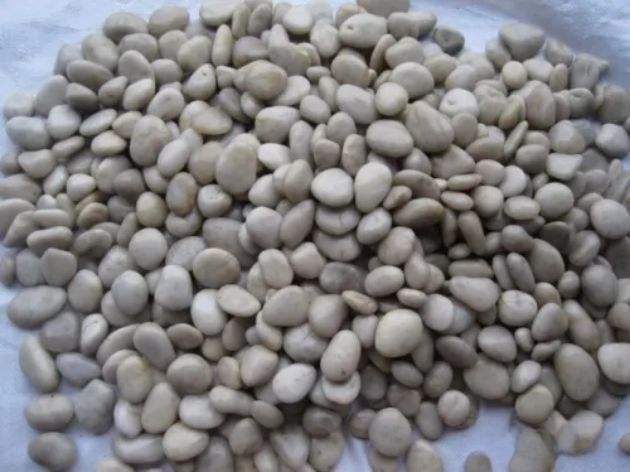
High White Color Pebble Stone
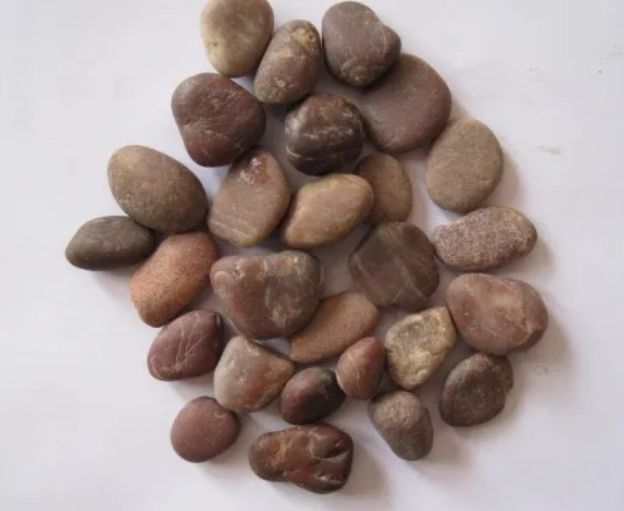
Natural Red Color Pebble Stone
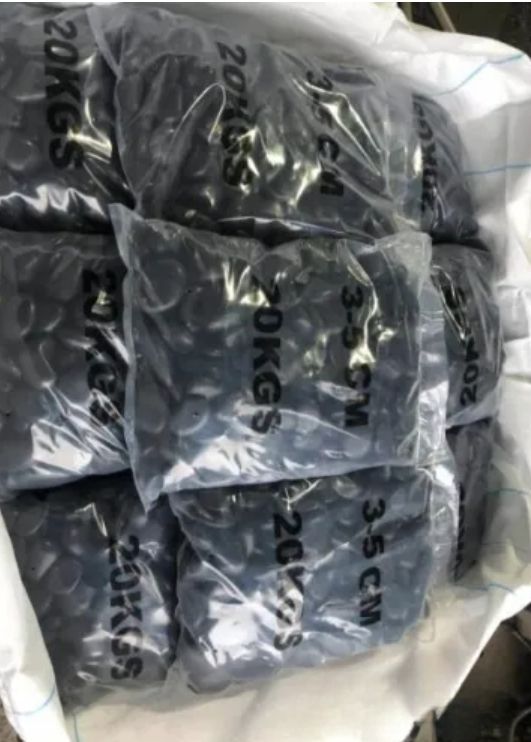
Black Pebble Stone
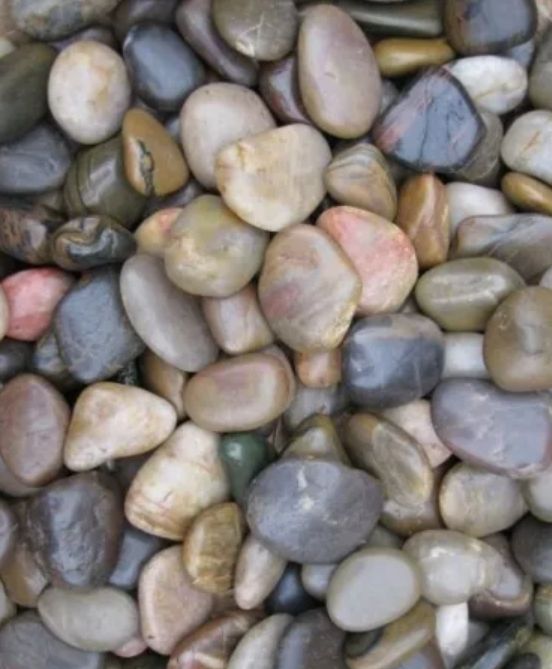
Mix Color Pebble Stone
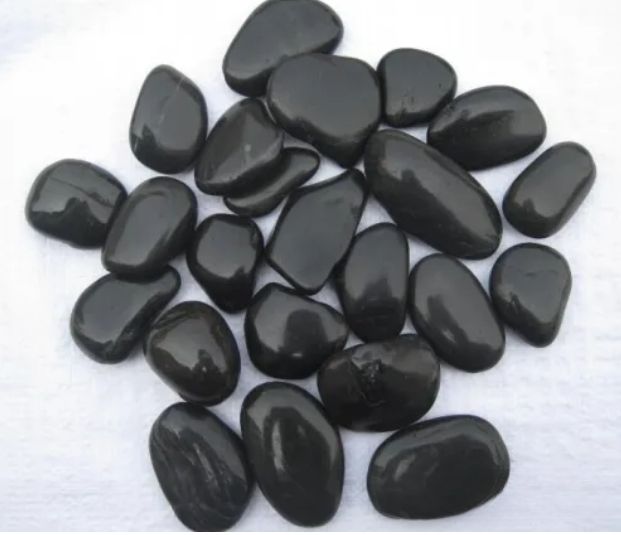
Black Color Pebble Stone
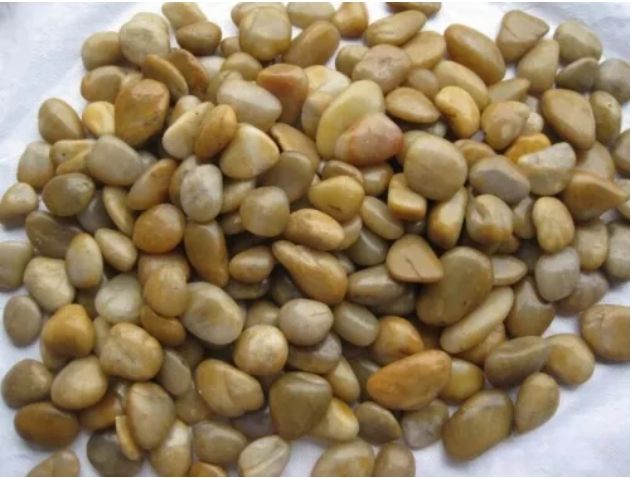
Good Color Yellow Pebble Stone
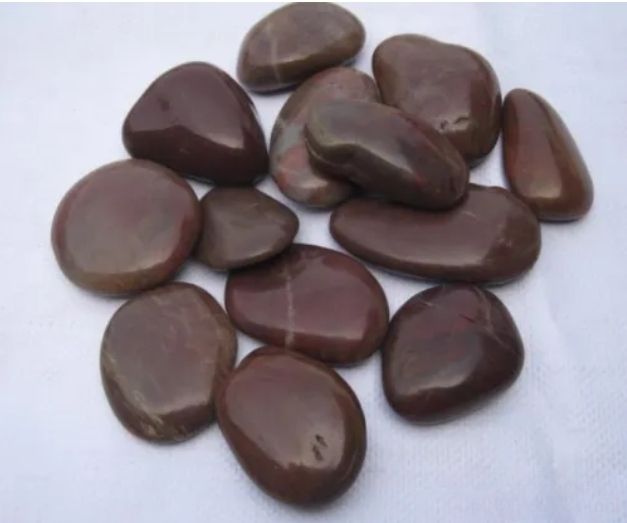
High Polished Red Color Pebble Stone
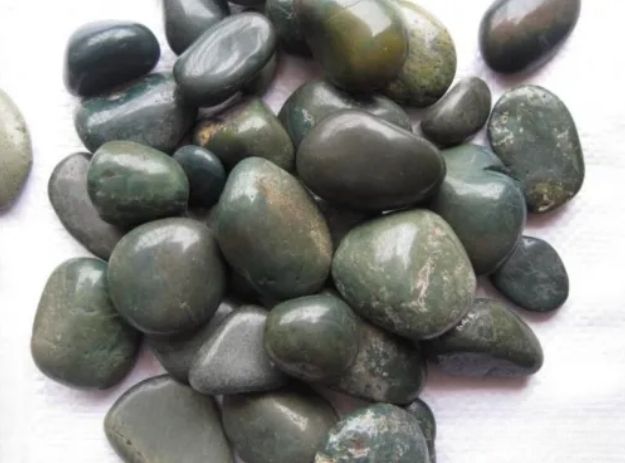
Polished Landscaping Green Color Pebble Stone Phoenix power stone Wholesale
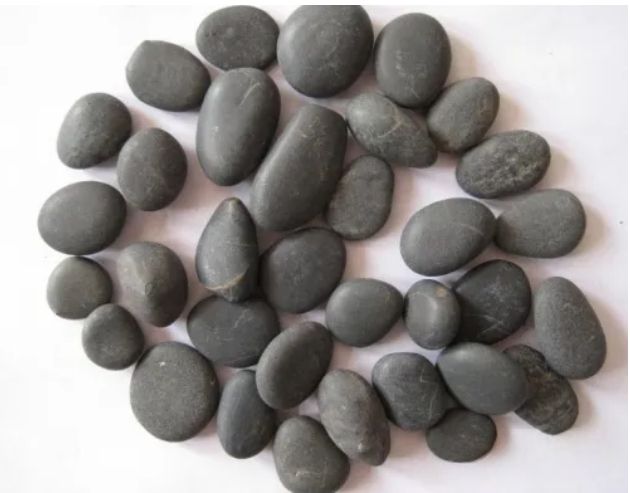
Natural Black Pebble Stone Wholesale New
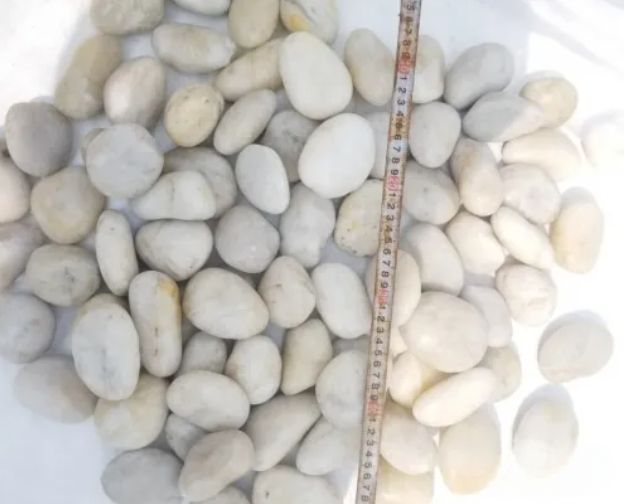
White Color Pebble Stone Polish 8-10 hours
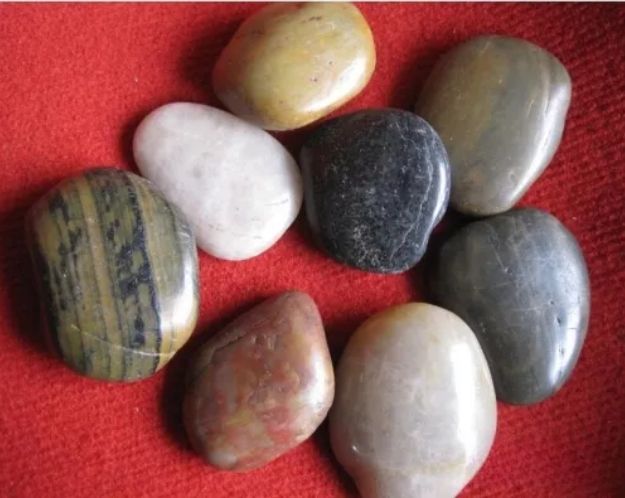
Mix Color Pebble Stone Wholesale