Why Choose Natural Stone Flooring?
Natural stone flooring has been prized for millennia — from the marble halls of ancient Rome to the granite floors of modern luxury homes. Unlike manufactured materials, natural stone offers authenticity, permanence, and character that only improves with age. Each stone tile is unique, with variations in color, veining, and texture that tell the story of its geological formation over millions of years.
★ Key Takeaways
- Beyond aesthetics, natural stone flooring offers practical advantages: exceptional durability (50-100+ year lifespan), compatibility with radiant heating systems, natural cooling properties in warm climates, and significant contribution to property v
- Granite is the workhorse of natural stone flooring. Its exceptional hardness (6-7 on Mohs scale) makes it virtually impervious to the daily wear that would damage softer stones. Available in an enormous range of colors from deep blacks to vibrant blu
- Pros:Extremely durable (50+ years), heat resistant, scratch resistant, stain resistant (when sealed), slip resistant when flamed, UV resistant for outdoor use.
- The longevity of any stone floor depends critically on proper subfloor preparation. Stone is heavy and brittle — it does not flex. Your subfloor must be rigid, flat, and deflection-free. For wood subfloors, this typically means a double layer of plyw
- Natural stone tiles typically require wider grout joints (1/8" to 1/4") than ceramic tile due to dimensional variations between pieces. Use unsanded grout for joints under 1/8" and sanded grout for wider joints. Always seal the stone BEFORE grouting
Beyond aesthetics, natural stone flooring offers practical advantages: exceptional durability (50-100+ year lifespan), compatibility with radiant heating systems, natural cooling properties in warm climates, and significant contribution to property value. For homeowners, architects, and contractors seeking a premium, long-lasting flooring solution, natural stone remains the gold standard.
Types of Natural Stone Flooring
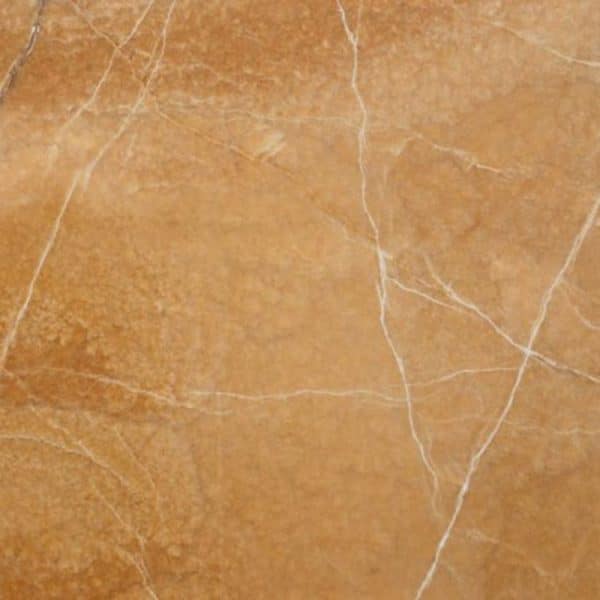
Natural stone flooring. Each tile is unique, each floor a one-of-a-kind installation.
Marble Flooring
Best for: Entryways, formal living rooms, bathrooms, low-traffic luxury spaces.
Marble flooring is synonymous with luxury. Its distinctive veining — formed by mineral impurities during metamorphosis — creates patterns that cannot be replicated by any manufactured product. Available in a spectrum from pure white (Carrara, Calacatta) to dramatic blacks and greens, marble makes an unforgettable design statement.
Pros: outstanding beauty, cool underfoot (excellent in warm climates), increases property value far, compatible with radiant heating.
Cons: Scratches and etches from acids (citrus, wine, vinegar), requires sealing every 6-12 months, relatively expensive ($8-$25/sq ft material only), can be slippery when polished.
Key tip: Choose a honed (matte) finish over polished for floors — it hides scratches better and provides more slip resistance.
Granite Flooring
Best for: Kitchens, hallways, high-traffic areas, commercial spaces, outdoor patios.
Granite is the workhorse of natural stone flooring. Its exceptional hardness (6-7 on Mohs scale) makes it virtually impervious to the daily wear that would damage softer stones. Available in an enormous range of colors from deep blacks to vibrant blues and warm golds, granite offers design flexibility without compromising durability.
Pros: Extremely durable (50+ years), heat resistant, scratch resistant, stain resistant (when sealed), slip resistant when flamed, UV resistant for outdoor use.
Cons: Heavier and more difficult to install than ceramic tile, requires annual sealing, limited veining/pattern compared to marble, cool and hard underfoot.
Key tip: For areas that get wet (bathrooms, pool surrounds), specify a "flamed" finish — the textured surface provides excellent grip even when wet.
Travertine Flooring
Best for: Bathrooms, sunrooms, Mediterranean/Spanish style homes, indoor-outdoor transition spaces.
Travertine is a form of limestone deposited by mineral springs. Its characteristic holes and troughs — which can be filled (honed) or left natural (tumbled) — give it a warm, Old World character. The color palette is naturally earthy: ivories, beiges, walnuts, and warm golds.
Pros: Warm aesthetic appeal, stays cool in summer, naturally slip-resistant (tumbled finish), excellent with radiant heating, more affordable than marble.
Cons: Porous (requires sealing every 6-12 months), softer than granite (scratches more easily), acid-sensitive, unfilled holes can trap dirt.
Key tip: Choose "filled and honed" travertine for indoor floors — the filled surface is easier to clean and maintain than natural tumbled.
Limestone Flooring
Best for: Living rooms, bedrooms, low-traffic areas, French Country/rustic interiors.
Limestone offers a soft, muted aesthetic with subtle color variations in creams, greys, and warm earth tones. It's a sedimentary rock composed primarily of calcium carbonate, often containing visible fossil fragments that add character and historical depth.
Pros: Soft, natural appearance, excellent with underfloor heating, comfortable underfoot, affordable compared to marble.
Cons: Softest of the common flooring stones (scratches and wears), highly acid-sensitive, requires diligent sealing, can stain easily.
Key tip: Limestone is not recommended for kitchens or entryways where spills and heavy traffic will quickly age the surface. Reserve it for living rooms, bedrooms, and formal spaces.
Slate Flooring
Best for: Mudrooms, kitchens, entryways, rustic/country interiors, outdoor patios.
Slate is a fine-grained metamorphic rock that splits naturally into flat, durable tiles. Its natural cleft surface provides excellent slip resistance, making it a top choice for wet areas. Colors range from charcoal and black to rich rusts, greens, and purples.
Pros: Naturally slip-resistant, extremely durable, hides dirt well, more affordable than marble/granite, unique texture and character.
Cons: Limited color range (mostly dark tones), can feel rough under bare feet, may flake or delaminate over time with lower-quality slate, uneven surface makes furniture placement tricky.
Key tip: Choose "gauged" slate (machine-calibrated to uniform thickness) for easier installation and a more consistent finished surface.
Stone vs Tile vs Hardwood: Flooring Comparison
| Feature | Natural Stone | Porcelain/Ceramic Tile | Hardwood |
|---|---|---|---|
| Lifespan | 50-100+ years | 20-50 years | 25-100 years (with refinishing) |
| Water Resistance | Good (sealed) | Excellent | Poor |
| Heat Resistance | Excellent | Excellent | Poor to Fair |
| Scratch Resistance | Excellent (granite) to Fair (marble) | Very Good | Poor to Fair |
| Comfort Underfoot | Cool and hard | Cool and hard | Warm and resilient |
| Radiant Heat Compatible | Excellent | Excellent | Not recommended |
| Resale Value | Very High | Moderate | High |
| Cost (Installed/sq ft) | $12-$40 | $8-$20 | $12-$25 |
| DIY-Friendly | Low (requires pro) | Moderate | Moderate |
Indoor vs Outdoor Stone Flooring
Indoor Applications
For indoor use, almost any natural stone can work — the key is matching the stone's characteristics to the room's demands. Kitchens and hallways demand durable granite or slate. Bathrooms benefit from the luxury of marble or travertine. Living rooms and bedrooms welcome the warmth of limestone or the elegance of polished marble. Always consider underfloor heating compatibility, as natural stone is the ideal material for radiant systems — it conducts and retains heat beautifully.
Outdoor Applications
For exterior use, your stone choices narrow far. The stone must withstand freeze-thaw cycles, UV exposure, rain, and temperature extremes. Top choices for outdoor stone flooring include:
- Granite: The gold standard for outdoor stone. Impervious to freeze-thaw damage, UV-stable, and available in flamed finishes for slip resistance.
- Slate: Excellent outdoor performer. Its natural cleft surface provides grip, and its dense composition resists water absorption.
- Sandstone: A popular and affordable outdoor option with warm, natural colors. Less durable than granite but perfectly suitable for patios and walkways.
- Bluestone: A type of sandstone popular in the northeastern US. Naturally slip-resistant and weather-tolerant.
- Avoid: Marble (slippery when wet, weathers poorly) and limestone (acid rain erosion, frost damage).
Installation Methods & Best Practices
Subfloor Preparation
The longevity of any stone floor depends critically on proper subfloor preparation. Stone is heavy and brittle — it does not flex. Your subfloor must be rigid, flat, and deflection-free. For wood subfloors, this typically means a double layer of plywood (minimum 1-1/8" total thickness) with cement backer board on top. For concrete slabs, the surface must be clean, level, and fully cured (minimum 28 days for new concrete).
Setting Materials
Use a polymer-modified thin-set mortar specifically rated for natural stone. Avoid mastic or pre-mixed adhesives — they lack the bond strength required for heavy stone tiles. For exterior installations and wet areas, use an epoxy-based mortar for maximum water resistance.
Grouting Natural Stone
Natural stone tiles typically require wider grout joints (1/8" to 1/4") than ceramic tile due to dimensional variations between pieces. Use unsanded grout for joints under 1/8" and sanded grout for wider joints. Always seal the stone BEFORE grouting — this prevents grout from staining the stone surface. Apply grout release if recommended by your stone supplier.
Sealing After Installation
Apply a high-quality penetrating sealer after grout has fully cured (typically 72 hours). The sealer should be appropriate for your specific stone type — impregnating sealers work best for most natural stones. Follow with annual reapplication. For high-traffic commercial applications, consider a color-enhancing sealer that also provides additional surface protection.
Maintenance Guide by Stone Type
- Marble: Dust mop daily; damp mop with pH-neutral stone cleaner weekly; seal every 6-12 months; immediately clean any acidic spills; avoid vinegar, citrus, and ammonia-based cleaners; consider professional polishing every 5-10 years in high-traffic areas.
- Granite: Sweep or vacuum regularly; damp mop with mild detergent as needed; seal annually; for flamed/outdoor granite, pressure wash annually; granite is the lowest-maintenance natural stone flooring option.
- Travertine: Vacuum regularly to remove grit from filled holes; damp mop with stone cleaner monthly; seal every 6-12 months; avoid dragging heavy furniture across the surface.
- Limestone: Dust mop or vacuum daily; use only pH-neutral cleaners; seal every 4-6 months (more frequent than other stones); place mats at all exterior entrances; expect and embrace the patina that develops over time.
- Slate: Sweep or vacuum regularly; damp mop as needed; seal every 1-2 years; for outdoor slate, occasional pressure washing removes accumulated dirt; slate's natural cleft texture hides wear exceptionally well.
Further Reading
Related articles: Marble Tiles: Complete Selection, Installation & MaintenanceGuide · Designing with Black Granite: Tips and Inspiration forYour Home · The Natural and Unique Patterns of BlackGranite
External references: ASTM C615 Granite Standard · ASTM C503 Marble Standard
The professional rule: honed for interior floors, flamed or riven for exterior and wet areas, polished only for walls and feature surfaces where foot traffic is absent. Polished marble floors look spectacular at installation and show traffic wear within 18 months — the maintenance contract is what keeps them beautiful.
| Finish | Appearance | Slip Resistance | Maintenance | Best For |
|---|---|---|---|---|
| Polished | Mirror gloss, deep color | Poor when wet | Shows wear; needs repolishing | Walls, low-traffic interiors |
| Honed | Smooth matte | Good | Moderate; hides scratches | Floors — the standard choice |
| Brushed | Textured matte | Good | Low | Floors, wet areas |
| Leathered | Textured, tactile | Good | Low | Feature floors |
| Flamed (granite/basalt) | Rough, natural grey | Excellent | Very low | Outdoor, entry, commercial |
| Riven (slate/sandstone) | Natural cleft texture | Excellent | Very low | Rustic, outdoor |
The finish determines both the look and the maintenance burden of a stone floor:
Stone Flooring Finishes: Choosing the Right Surface
Below-grade floors need moisture-tolerant stone and installation. Recommended: porcelain or sealed slate — natural stone below grade risks moisture migration through the slab unless properly waterproofed. If stone is essential below grade, specify an engineered moisture barrier system and dense granite or porcelain-grade stone.
Basements and Utility Rooms
Commercial flooring demands durability, slip resistance, and maintainability. Recommended: granite tiles (high traffic), honed marble (hotel lobbies — with professional maintenance contracts), and porcelain as the budget commercial standard. Commercial installations need professional-grade slip testing (PTV reports) and documented maintenance programs.
Commercial Spaces
Comfort and aesthetics lead in living spaces. Recommended: large-format marble or limestone for elegance; slate or honed granite for durability with area rugs for warmth. Stone flooring with underfloor heating is the premium combination — warm stone underfoot beats carpet for allergy sufferers. Area rugs define zones and add the softness stone lacks.
Living Rooms and Bedrooms
Entry floors carry the worst traffic — grit, moisture, and heavy loads. Recommended: granite or dense slate tiles; limestone and marble in covered entries only. Install a recessed entry mat (a well-designed mat well captures the grit that scratches floors). The entry sets the home tone — stone here signals quality to every visitor.
Entryways and Hallways
Bathroom floors need slip resistance and moisture tolerance. Recommended: honed marble, travertine, or slate with sealed joints and proper waterproofing beneath. Small-format tiles (30×30 or mosaics) create more grout lines (more slip resistance and more maintenance); large-format reduces grout but is more slippery when wet. Heated bathroom floors work beautifully with stone — stone conducts and retains heat, making radiant systems efficient.
Bathrooms
Kitchen floors face spills, dropped items, and heavy traffic. Recommended: granite tiles (maximum durability) or honed travertine/marble with sealed joints. Slip resistance matters — honed finishes grip better than polished. Consider comfort: stone is hard underfoot, so kitchen work zones benefit from mats. Sealed joints resist the moisture that kitchen cleaning brings. Porcelain remains the budget alternative, but stone adds the natural-material value premium kitchens buyers expect.
Kitchens
Each room imposes different demands on stone flooring. The room-by-room guidance:
Stone Flooring by Room: Selection Guide
Format drives cost as much as stone type: tiles (60×60cm) are the value format; large-format slabs (120×240cm and larger) add 30-60% for material, handling, and installation complexity. The installed-cost structure for a 500 sq ft stone floor: material 25-35%, subfloor preparation 15-20%, labor 35-45%, grout and finishing 10%. For B2B importers, FOB China pricing on flooring material runs 30-50% below domestic yard wholesale — marble tiles from $10-40/m², granite tiles from $8-25/m², with calibration available.
| Stone Type | Material (per sq ft) | Installed (per sq ft) | Notes |
|---|---|---|---|
| Slate | $3 - $8 | $10 - $20 | Budget natural stone; riven texture |
| Limestone | $4 - $10 | $12 - $25 | Elegant matte; softer stone |
| Travertine | $4 - $12 | $12 - $28 | Warm tones; holes need filling |
| Sandstone (interior) | $3 - $8 | $12 - $22 | Warm organic look |
| Granite tiles (60×60) | $5 - $15 | $14 - $30 | Durable; commercial standard |
| Marble tiles (60×60) | $6 - $25 | $15 - $40 | Luxury look; Carrara entry |
| Marble slabs (large format) | $15 - $60+ | $30 - $80+ | Premium; book-matching extra |
Stone flooring costs vary dramatically by material, format, and finish. The reference pricing for planning:
Natural Stone Flooring Cost Guide 2026
The honest cost: stone floor maintenance runs $0.50-2 per sq ft annually (cleaning products and resealing) plus periodic professional restoration. Compare that to replacing a worn floor — maintenance is the cheapest part of owning stone.
- Daily: Sweep or dry-mop — grit is the #1 enemy of stone floors (it acts as sandpaper underfoot). Use entrance mats inside and outside doors to capture 80% of tracked grit.
- Weekly: Damp-mop with pH-neutral stone cleaner. Never use vinegar, bleach, or general-purpose cleaners with acid. Wring the mop well — standing water works into joints and edges.
- Monthly: Spot-clean stains with the appropriate poultice; inspect joints and seal condition.
- Annually: Reseal honed and polished stone (granite, marble, limestone). Deep-clean with a stone-safe machine cleaner for large areas.
- Every 3-5 years: Professional honing and repolishing of high-traffic polished stone restores the factory finish. Commercial floors may need this annually.
- Damage response: Chips repair with color-matched resin ($100-300); cracked tiles replace if spare stock exists; etching on marble requires professional polishing. Act fast on spills — the first hour determines whether a stain is permanent.
The maintenance program for stone floors follows a tiered routine:
Stone Flooring Maintenance: Complete Care Program
- Why stone suits radiant heat: Stone conducts heat far better than wood or carpet — the floor surface reaches temperature quickly and evenly. The thermal mass of a stone floor also stores heat, releasing it slowly when the system cycles off. This efficiency is why stone is the recommended covering for hydronic (water-based) systems.
- System compatibility: Both electric mat and hydronic tube systems work under stone. Electric mats suit retrofits (thinner profile); hydronic suits new construction (greater capacity, lower running cost). The heating system must be commissioned and tested BEFORE stone installation — repairing a system under stone means removing the floor.
- Adhesive requirements: Use flexible polymer-modified adhesive rated for heated substrates — thermal cycling expands and contracts the floor, and rigid adhesive cracks. The same applies to grout: flexible polymer-modified or epoxy.
- Expansion planning: Heated stone floors need expansion joints at room perimeters and large-area intervals (every 25-30 ft). The stone expands with heat — without joints, it buckles.
- Temperature guidance: Surface temperature limits: 80-85°F maximum for comfort underfoot (stone holds heat; higher feels hot). Ramp the system gradually after installation — the first firing should warm the floor over days, not hours, to let adhesive and grout cure safely.
Stone and radiant heating form the premium flooring combination. The technical facts every buyer should know:
Underfloor Heating with Stone Flooring
Installation cost: $5-15/sq ft for labor plus $2-5 for materials on top of the stone itself. Professional installation is the difference between a 50-year floor and a 5-year failure — the substrate work and adhesive discipline cannot be DIY shortcuts.
- Substrate assessment: The concrete slab must be dry (moisture test), flat (3mm over 2m), and structurally sound. Wood subfloors need cement board underlayment. Any substrate defect transfers to the stone — this is where flooring failures begin.
- Moisture testing: For concrete slabs, run a moisture test (calcium chloride test or relative humidity probe). Excess slab moisture migrates through grout and adhesive, causing efflorescence and adhesive failure. Stone flooring over damp slabs requires a moisture barrier system.
- Layout planning: Dry-lay the first rows to plan cuts and color balance. For veined stone (marble), sequence slabs for continuous flow. Mark the layout before adhesive goes down — re-laying is expensive.
- Adhesive selection: Use polymer-modified thinset rated for the stone weight and substrate. Large-format tiles need medium-bed (LHT) thinset to prevent lippage. Epoxy adhesive for moisture-prone areas. Back-butter each tile for full coverage — hollow tiles crack and sound hollow.
- Laying: Set tiles from the room center or a reference wall, maintaining joint width with spacers. Check level every course. For natural cleft stone (slate, sandstone), thickness varies — sort pieces by thickness and blend during laying to minimize lippage.
- Cutting: Cut with a wet saw for clean edges; a grinder for curves. Cut under door frames, measure twice. Wear protection — stone dust is silica hazard.
- Grouting: Wait 24 hours after laying. Use polymer-modified grout (epoxy for kitchens/bathrooms). For natural stone, grout color should complement — white grout with beige stone shows every stain. Seal grout within 48 hours.
- Sealing: After grout cures (3-7 days), seal the stone with impregnating sealer. Two coats for porous stone. The floor is ready for foot traffic after sealing and full cure.
Stone flooring installation is a precision trade — the floor is only as good as the substrate beneath it. The full installation sequence:
Stone Flooring Installation: Complete Guide
Yes — stone handles pet traffic, claws, and accidents better than any flooring. Granite and slate resist claw scratches; marble will show them. Pet accidents clean easily from sealed stone; urine is acidic and must be cleaned promptly to protect the seal and (on marble/limestone) the stone itself. Consider honed finishes — polished stone is slippery for pets and shows scratches more.
Can stone flooring be used with pets?
Honed marble, travertine, or slate with sealed joints are the classic bathroom choices — honed finishes give the slip resistance wet areas need, and the natural material adds the spa aesthetic. Small-format tiles or mosaics add more grout lines for extra grip. For maximum durability and low maintenance, granite tiles or porcelain are the practical alternatives.
What is the best stone for bathroom flooring?
Granite floors: every 12-18 months. Marble and limestone: every 6-12 months. Slate and sandstone: every 12-18 months. Outdoor stone: every 12-18 months with UV-resistant sealer. The 15-minute water test overrides schedules — if water absorbs within 15 minutes, reseal. Grout needs its own sealer every 1-2 years.
How often should stone floors be sealed?
Yes, if the existing tile is sound, flat, and clean — and the combined weight is within the structure limits. Use a bonding primer over the old tile and a flexible thinset rated for the overlay. Check door clearances (the floor height rises) and subfloor deflection. If the old tile is cracked or hollow, remove it first — overlaying a failing substrate transfers the failure to the new floor.
Can stone flooring be installed over existing tile?
Stone feels cool because it conducts heat away from the foot — a summer advantage, a winter drawback. The solutions: underfloor heating (stone is the best floor covering for radiant systems — it conducts and retains heat efficiently) or area rugs in living zones. In warm climates, stone natural coolness is a feature, not a drawback.
Is stone flooring cold underfoot?
Granite is the most durable stone flooring — Mohs 6-7 hardness, absorption below 0.5%, and a 50+ year service life under commercial traffic. Basalt and dense quartzite match or exceed granite. Slate is durable but splits on hard impact. Marble and limestone are beautiful but softer (Mohs 3-4) — they suit residential and low-traffic commercial use with proper maintenance.
Which stone flooring is most durable?
Stone Flooring FAQ: Extended Answers
The lessons for any marble floor project: single-block sourcing for color consistency, numbered delivery with layout approval, epoxy grout for commercial durability, and a funded maintenance contract from day one. Full project details in our Dubai hotel case study.
The installation: 20mm honed marble tiles on a polymer-modified adhesive over a screeded substrate, with expansion joints every 25 meters and at column lines. Grouting used color-matched epoxy — the lobby could not afford the maintenance of cement grout under continuous traffic. Post-installation: professional honing unified the surface, then impregnating sealer protected it. The maintenance contract: daily dry-mopping, weekly machine cleaning with pH-neutral stone cleaner, quarterly sealer inspection, and annual repolishing of the highest-traffic zones.
A five-star hotel lobby flooring project illustrates the complete stone flooring process at scale. The scope: 3,200 m² of Crema Marfil marble flooring across the lobby and reception areas of a Dubai hotel — the largest single-floor marble installation in the project portfolio. The specification discipline that made it succeed: all marble came from a single 22-tonne quarry block to guarantee color consistency (the architect requirement), the entire order was processed in one production run, and tiles were numbered by installation zone with a dry-lay layout approved by the architect before shipment.
Case Study: Marble Flooring in a Hotel Lobby
Frequently Asked Questions
What should I know about why choose natural stone flooring??
The "Why Choose Natural Stone Flooring?" section above covers this topic in detail with specifications and practical guidance for B2B stone buyers.
What should I know about types of natural stone flooring?
The "Types of Natural Stone Flooring" section above covers this topic in detail with specifications and practical guidance for B2B stone buyers.
What should I know about stone vs tile vs hardwood?
The "Stone vs Tile vs Hardwood" section above covers this topic in detail with specifications and practical guidance for B2B stone buyers.
What should I know about indoor vs outdoor stone flooring?
The "Indoor vs Outdoor Stone Flooring" section above covers this topic in detail with specifications and practical guidance for B2B stone buyers.