Why Choose Marble Tiles?
Marble tiles are cut and calibrated pieces of natural marble stone, typically 30×30 cm to 60×60 cm in size and 10–20 mm thick, used for flooring, wall cladding, and bathroom surfaces. Unlike ceramic or porcelain tiles, each marble tile is unique — with veining patterns, color variations, and crystalline structures created by geological processes over millions of years. Marble tiles bring natural luxury to interior spaces at a lower installed cost than marble slabs.
★ Key Takeaways
- Marble flooring in living spaces makes an unmistakable statement of quality. Large-format tiles (24"×24" or larger) with minimal grout lines create a smooth, expansive look. For traditional homes, a Versailles pattern (interlocking squares) adds Ol
- Marble has been the preferred material of sculptors, architects, and designers for over two millennia — and for good reason. No other natural stone offers the same combination of luminous translucency
- Beyond aesthetics, marble tiles offer practical benefits: excellent heat conductivity (ideal for underfloor heating), natural coolness in warm climates, and significant contribution to property value.
- Origin:Carrara, Italy — the world's most famous marble quarrying region, in continuous operation since Roman times.
Beyond aesthetics, marble tiles offer practical benefits: excellent heat conductivity (ideal for underfloor heating), natural coolness in warm climates, and significant contribution to property value. For homeowners seeking a premium flooring or wall surface with genuine character, marble tiles represent an investment that pays dividends in daily enjoyment and resale value.
Types of Marble Tiles
Carrara Marble
Origin: Carrara, Italy — the world's most famous marble quarrying region, in continuous operation since Roman times.
Appearance: White to light grey background with soft, feathery grey veining. The most affordable and widely available Italian marble.
Best for: Bathroom floors and walls, kitchen backsplashes, fireplace surrounds, and any application where classic understated elegance is desired.
Cost: $5-$12/sq ft (tile material only).
Key features: Subtle, forgiving veining hides minor wear better than pure whites. The "everyday luxury" marble — beautiful without being ostentatious.
Calacatta Marble
Origin: Carrara, Italy — from a specific, limited quarry zone within the Carrara region.
Appearance: Pure bright white background with bold, dramatic grey to gold veining. Much rarer and more expensive than Carrara.
Best for: Statement floors, luxury bathroom feature walls, high-end kitchen islands, and anywhere you want the marble to be the star of the room.
Cost: $15-$40+/sq ft (tile material only) — 3-5× more expensive than Carrara.
Key features: The most prestigious white marble. The bold veining creates dramatic, gallery-like spaces. Each tile is a work of art.
Statuario Marble
Origin: Carrara, Italy — from an even more restricted quarry zone than Calacatta.
Appearance: Pure, brilliant white with sharp, dramatic grey veins. The marble used by Michelangelo for his most famous sculptures.
Best for: The ultimate luxury statement. Used in the world's finest hotels, luxury retail, and high-end residential projects.
Cost: $25-$60+/sq ft (tile material only).
Emperador Marble
Origin: Spain, Turkey, China.
Appearance: Rich brown background with lighter beige veins and occasional white/cream accents. Available in light and dark varieties.
Best for: Traditional interiors, warm-toned bathrooms, floors in Mediterranean or Spanish-style homes.
Cost: $6-$15/sq ft.
Crema Marfil
Origin: Spain, China.
Appearance: Warm beige/cream with subtle, even coloration and minimal veining. One of the most popular marbles for residential flooring.
Best for: Flooring throughout the home, bathroom walls, and anywhere a warm, uniform look is desired.
Cost: $5-$12/sq ft.
Nero Marquina
Origin: Spain, China.
Appearance: Deep black background with striking white veining. Dramatic and contemporary.
Best for: Modern interiors, checkerboard flooring patterns (with white marble), accent walls, and bathroom feature walls.
Cost: $8-$20/sq ft.
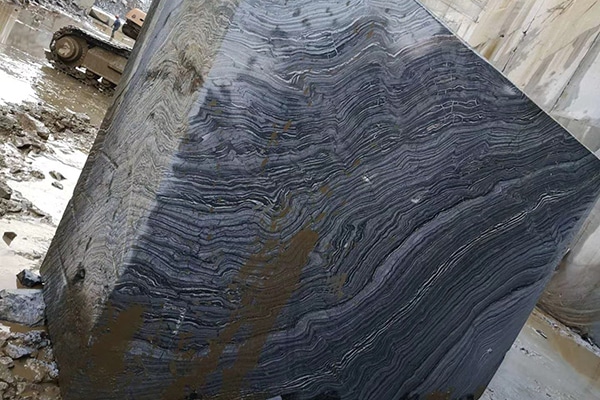
Marble tiles offer timeless elegance with natural veining that cannot be replicated.
Polished vs Honed Finish: How to Choose
Polished Finish
A polished finish is achieved by progressively grinding the marble surface with finer and finer abrasives until it achieves a mirror-like shine. This high-gloss surface reflects light beautifully, enhances the stone's natural color and veining, and creates a formal, luxurious appearance.
Pros: Maximum color depth and veining visibility, easy to clean, reflects light to brighten spaces, traditional luxury look.
Cons: Shows scratches and etching more visibly, can be slippery when wet, requires more frequent maintenance to maintain appearance.
Best for: Walls, low-traffic floors, fireplace surrounds, formal spaces where appearance is prioritized over practicality.
Honed Finish
A honed finish stops short of full polishing, leaving the surface with a smooth, matte, or satin appearance. The stone's color is more muted than polished, but the surface is more forgiving of daily wear.
Pros: Hides scratches and etching better, more slip-resistant, more contemporary/casual aesthetic, easier to maintain in high-use areas, better for floors.
Cons: Colors appear less vibrant, may require more frequent cleaning (matte surface shows dust), some stones may appear "dull" compared to polished.
Best for: Bathroom floors (safety), kitchen floors, high-traffic areas, contemporary interiors, and any floor application where slip resistance matters.
Room-by-Room Marble Tile Guide
Bathroom
Kitchen Backsplash
A marble tile backsplash is one of the most impactful kitchen upgrades. The vertical surface showcases marble's beauty without subjecting it to the heavy wear that floors endure. Subway-style Carrara marble tiles (3"×6") remain a timeless classic that works with virtually any kitchen style. For more dramatic spaces, a full-height Calacatta marble slab backsplash creates a showstopping focal point. Seal your backsplash annually, and be mindful of acidic splashes near cooking areas — wipe spills promptly.
Living Room & Entryway Flooring
Marble flooring in living spaces makes an unmistakable statement of quality. Large-format tiles (24"×24" or larger) with minimal grout lines create a smooth, expansive look. For traditional homes, a Versailles pattern (interlocking squares) adds Old World elegance. For entryways, consider a medallion or border pattern to define the space. Note: marble entryway floors will show wear from outdoor grit — use high-quality entrance mats and schedule professional polishing every 5-7 years.
Marble Tile Installation Patterns
Straight / Stacked
The simplest and most contemporary pattern. Tiles are laid in a grid with aligned joints. Works beautifully with large-format tiles and creates a clean, modern aesthetic. Best for: modern interiors, large tiles (18"×18"+).
Running Bond (Brick Pattern)
Each tile is offset by half its length from the row below, creating the classic brick pattern. This is the most popular pattern for subway tiles and rectangular formats. Best for: 3"×6" subway tiles, kitchen backsplashes, traditional bathroom walls.
Herringbone
Rectangular tiles are laid at 90-degree angles to each other, creating a zigzag pattern. Adds dynamic visual interest and works beautifully with elongated tiles. Best for: feature walls, fireplace surrounds, entryway floors.
Versailles / French Pattern
A classic European pattern combining multiple tile sizes in a repeating interlocking layout. Creates an Old World, luxurious appearance. Best for: traditional interiors, large floor areas, entryways, formal living rooms.
Maintenance & Care
- Sealing: Apply a high-quality penetrating sealer before grouting and annually thereafter. Bathroom floors and kitchen areas may benefit from sealing every 6 months.
- Daily cleaning: Use only pH-neutral stone cleaners or warm water with a tiny amount of mild soap. Never use vinegar, citrus cleaners, bleach, ammonia, or abrasive cleaners.
- Stain removal: For oil-based stains, apply a poultice of baking soda and water; for organic stains, use hydrogen peroxide. Always test in an inconspicuous area first.
- Etching repair: Minor etching (dull spots from acid contact) can be polished out with marble polishing powder and a soft cloth. Deep etching requires professional restoration.
- Professional maintenance: Schedule professional cleaning and polishing every 3-5 years for floors in high-traffic areas.
Further Reading
Related articles: Soapstone Guide: Zero-Maintenance Natural Stone for Countertops &Outdoor Use · Granite Countertops: The Complete Buyer'sGuide (2026) · How to Seal Natural Stone: DIY Step-by-Step Guide for Granite, Marble& More
External references: ASTM C503 Marble Standard · Natural Stone Institute
Frequently Asked Questions
What should I know about why choose marble tiles??
The "Why Choose Marble Tiles?" section above covers this topic in detail with specifications and practical guidance for B2B stone buyers.
What should I know about types of marble tiles?
The "Types of Marble Tiles" section above covers this topic in detail with specifications and practical guidance for B2B stone buyers.
What should I know about polished vs honed finish?
The "Polished vs Honed Finish" section above covers this topic in detail with specifications and practical guidance for B2B stone buyers.
What should I know about room-by-room marble tile guide?
The "Room-by-Room Marble Tile Guide" section above covers this topic in detail with specifications and practical guidance for B2B stone buyers.