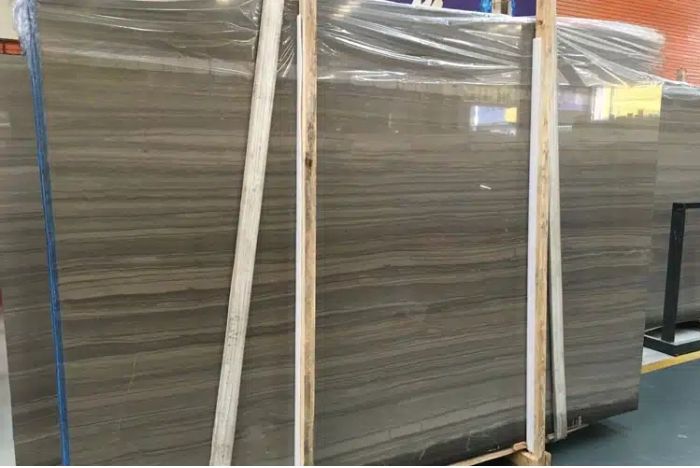
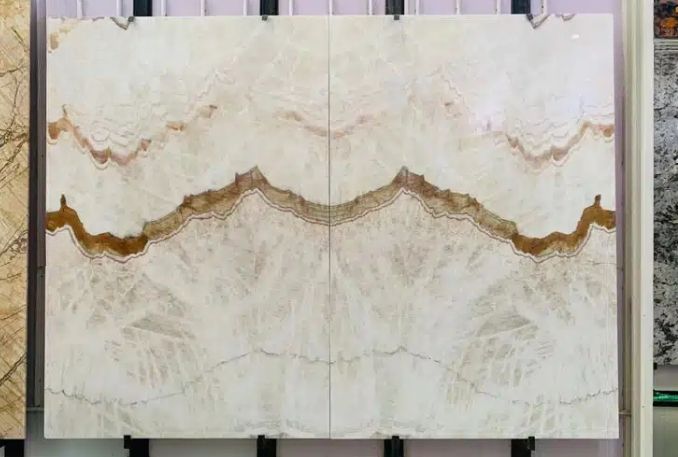
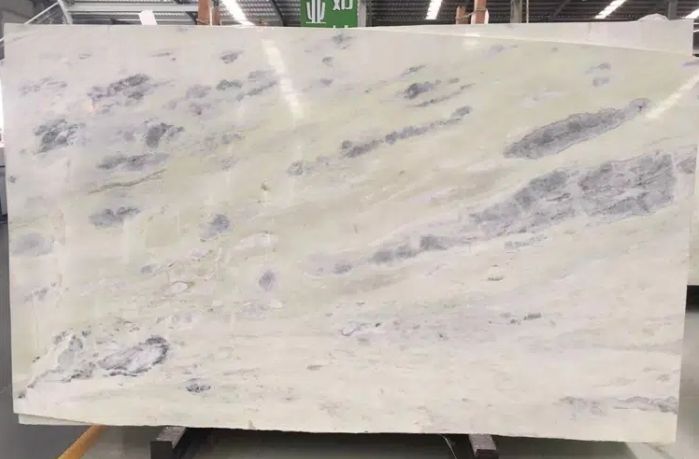
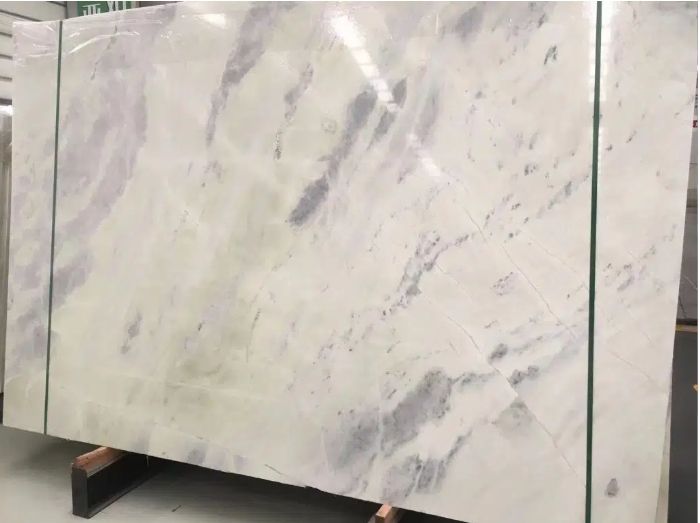
Detailed Specifications
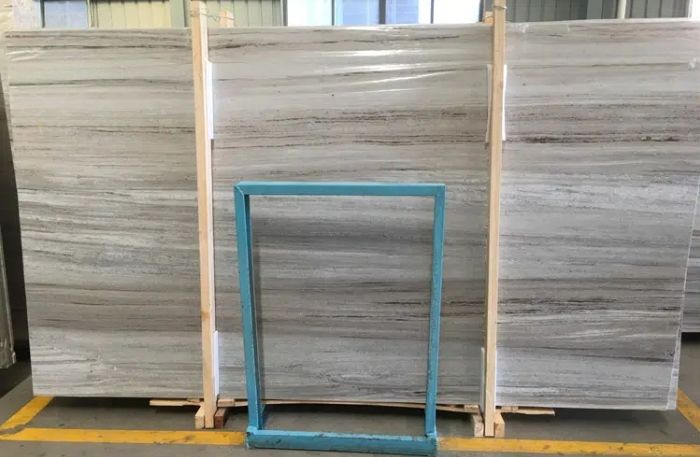
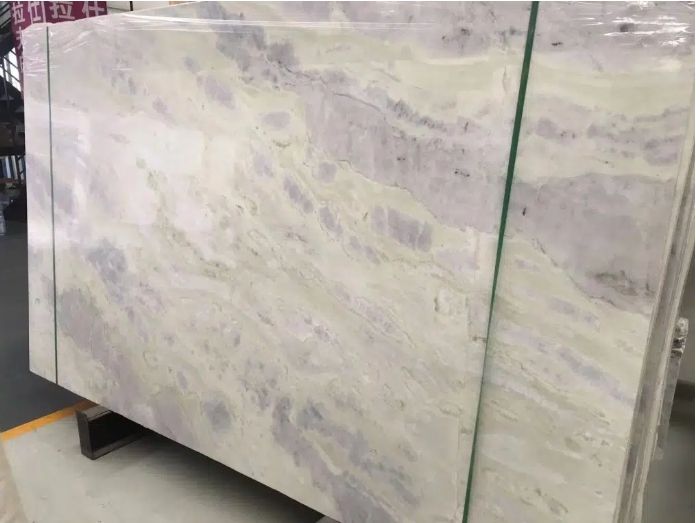
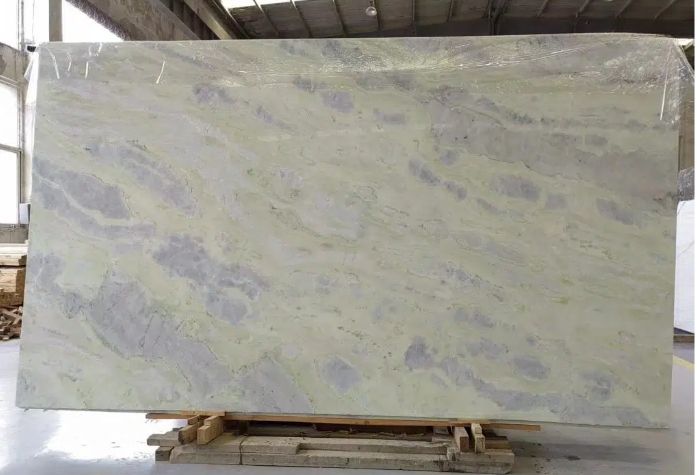
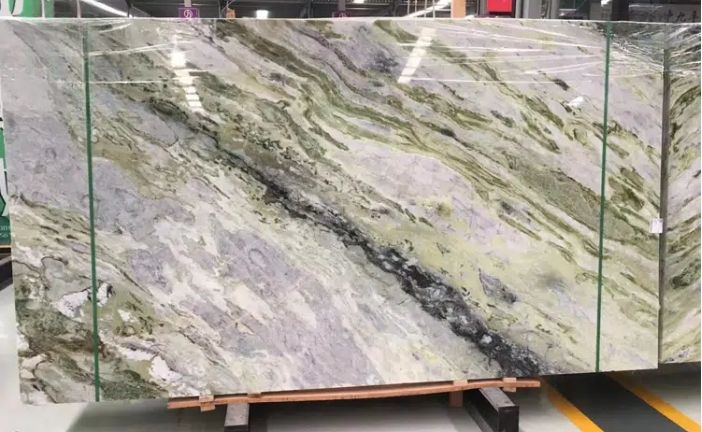
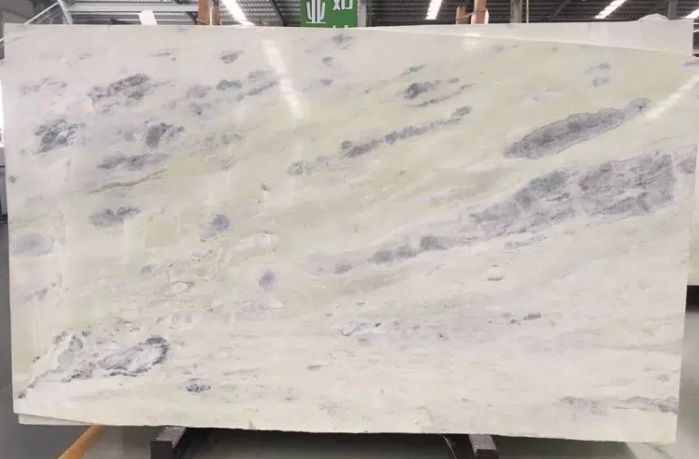
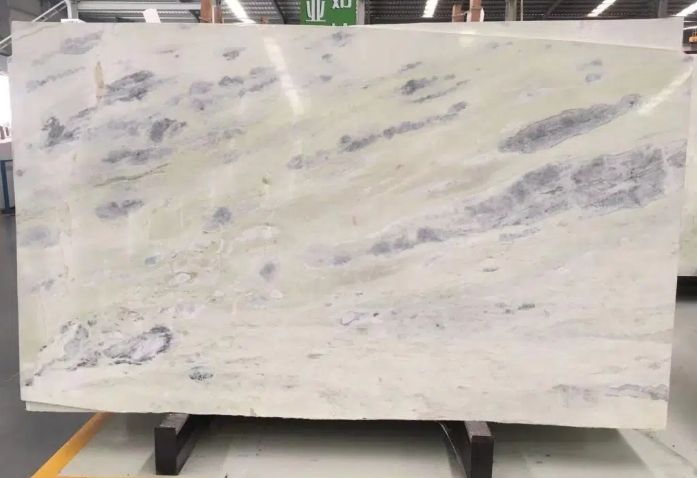
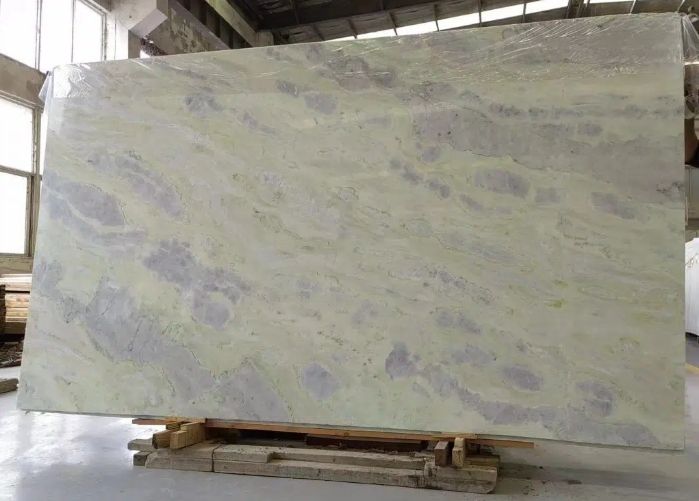
Unveiling Dreaming Green Marble: 1. outstanding Beauty: Dreaming Green Marble is renowned for its outstanding beauty and timeless appeal. The marble features a mesmerizing blend of soft green hues with delicate white veining, creating a serene and sophisticated atmosphere in any space.
Key Takeaways
- Natural marble — density 2,600–2,750 kg/m³, water absorption ≤0.2%, compressive strength ≥52 MPa
- Hardness: 3–5 Mohs, suitable for both interior and exterior applications when properly specified
- Phoenix Power Stone factory-direct supply — 108,000 sqft facility, Shandong, China, 24+ years of export experience
Dreaming Green, Cold Emerald, Green Abbey: One Stone Wearing Several Names
Dreaming Green is a Chinese green marble that travels under at least four commercial names. Chinese processors export it as Cold Emerald; European wholesalers stock the identical material as Green Abbey; some suppliers list it as Peacock Green or Dream Green. Listings rarely say so, which is why two quotations for "Dreaming Green" can describe two visibly different stones.
Origin is consistently given as China, with Yunnan Province the region most often named. We have not found a supplier publishing a named quarry or mine for this material, so treat any specific locality claim as unverified until your supplier names both the quarry and the block on the proforma invoice.
The best-documented description of the stone comes from a German stone-furniture maker's material data sheet, which classifies it as a dolomite marble carrying green silicates — chlorite and yellow-green epidote — embedded in a light-grey, fine to medium-grained dolomite groundmass. A separate European wholesaler, describing it under the Green Abbey name, attributes the green to "chlorite or serpentine-like phases." Those two descriptions are not identical, and the difference is not academic: it decides which adhesive you are allowed to use. Where sources conflict, this page says so rather than picking the convenient answer.
Texturally the stone is brecciated — angular shards of green mineral suspended in an ice-white to pale grey matrix, crossed by black veining. That is a structural feature of the deposit, not a defect, and it is the reason no two slabs are the same image. Everything about how this stone should be bought follows from that one fact.
Does Dreaming Green Behave Like a Serpentine? The Moisture Question
This is the question that decides whether the stone is safe for your project — and the honest answer is that it is decided by testing your block, not by the trade name.
Green marbles fall into two families. True serpentinite — "green marble" in the strict trade sense — contains minerals that absorb water molecules into their crystal lattice. Installed over a water-based cement adhesive, the back of the tile takes on water and expands while the face stays dry. The differential movement cups the tile upward, and it typically appears weeks after installation rather than immediately. Once curled, the tile generally cannot be flattened: grinding introduces more water and the stone warps again.
Green marbles whose colour comes from chlorite and epidote in a dolomite matrix — the most authoritative description of Dreaming Green — are not serpentinites in the strict sense, and may not show the behaviour at all. But at least one commercial source describes serpentine-like phases in this material, and suppliers use "green marble" loosely for both families. Do not settle this by argument. Settle it by test.
The check you can run on a sample in two days
- Stand a tile in a shallow tray with water about a quarter of the way up for two days, then dry it and check the face with a straightedge for cupping. A quicker variant: lay a tile face-up on a damp towel overnight.
- Run the test on a tile from your lot, not a reference sample — the behaviour is mineralogical and can differ between blocks.
What to write into the installation specification
- No water-based thin-set on any green marble. Specify a 100% epoxy adhesive to ANSI A118.3, or a polyurethane adhesive. Adhesive manufacturers publish exactly this instruction: LATICRETE, for example, names green marble and serpentine among the substrates for which its LATAPOXY 300 epoxy adhesive is recommended.
- Never back-seal with silicone, and do not apply a proprietary sealer to the back in an attempt to waterproof the tile. Silicone is a water repellent, the setting material cannot bond through it, and the result is debonding. Manufacturers warn that untested back-sealing can fail adhesion even with cement-class adhesives.
- Seal the face after fixing with a breathable impregnator, and maintain with pH-neutral cleaners only.
- Note that the green mineral areas are more chemically sensitive than the white dolomite groundmass — the Green Abbey supplier states this explicitly. Acidic cleaners do not attack the stone evenly.
Slab-to-Slab Variation and the Bookmatch Decision
Because Dreaming Green is brecciated, its pattern is chaotic rather than directional. That inverts the usual bookmatching logic:
- Running match is usually the better buy. Sequential slabs laid in order give continuity without demanding a mirrored seam, and with a chaotic breccia the eye reads the joint as natural. It is also the cheaper specification on every measure.
- Bookmatch only for a small, high-impact panel — a two-slab reception wall, a fireplace surround, a vanity end panel — and only from a bundle you have seen dry-laid.
- Four-way diamond matching is a poor fit for this stone. The green shards will not resolve into a convincing centre point, so you pay the full bookmatch wastage without getting the classic diamond effect.
Budget the overage honestly
Independent sourcing guides converge on the same figures: bookmatched layouts carry 12–20% wastage against 5–8% for standard layouts, and need a 20–30% overage allowance against 10–15% for running match. Bookmatched fabrication typically runs 20–40% above a running-match order, and material cost can reach 1.5–2× a plain layout. Reserve the extra material at order time — a "spare" slab bought later from another block will not match, and on a stone this individual the mismatch will be obvious.
What to demand before you release payment
- Photographs or video of the actual bundle you are buying, wet and dry, with a colour reference card in frame.
- Block number and slab sequence numbers stated on the proforma invoice and carried onto each A-frame crate label.
- A written commitment that the supplier will not cherry-pick individual slabs out of a sequenced bundle. One missing slab breaks the match.
- For layout-critical work, a dry-lay photograph with every piece numbered as it will be installed. "No photo, no payment release" is normal practice in this trade, not an unreasonable request. Our stone defects and inspection guide lists what to look for in those photographs.
Where Dreaming Green Works — and Where It Fails
The gem-like contrast that sells this stone is also what limits it. The carbonate fraction is acid-sensitive throughout, and the green mineral fraction is softer and more chemically reactive than the dolomite groundmass around it.
| Application | Verdict | Reason |
|---|---|---|
| Interior feature walls and bookmatched panels | Excellent | No foot traffic; the pale dolomite areas can read semi-translucent under backlighting |
| Bathroom vanities and wall cladding | Good | Epoxy-set, impregnated, pH-neutral maintenance only |
| Stair treads, reception desks, table tops | Good | Specify honed on wear surfaces; protect tread nosings |
| Kitchen worktops | Use with caution | The synonymous Green Abbey is advised against kitchen worktops by its supplier. If you proceed: honed finish, impregnating sealer, and a written expectation of patina from citrus, vinegar and wine. |
| High-traffic commercial flooring | Not recommended | Mohs 3–5 carbonate abrades and dulls far faster than granite or porcelain |
| Exterior horizontal surfaces | Not recommended | Acid rain and weathering dull the polish, and the green minerals change first. The Draenert data sheet rates the material only "conditionally suitable" outdoors. |
Verdicts are application guidance drawn from the published mineralogy and supplier advisories cited above, not a warranty. Approve every job against a physical sample from your own lot.
Specification notes specific to Dreaming Green
| Property | Published value | Source and caveat |
|---|---|---|
| Classification | Dolomite marble (metamorphite) | Draenert material data sheet |
| Colouring minerals | Chlorite + yellow-green epidote; a second source says chlorite or serpentine-like phases | Sources differ — test your block before fixing the adhesive specification |
| Density | 2.60–2.70 g/cm³ | Supplier technical data, stated as ASTM-based |
| Water absorption | 0.15–0.30% | Supplier technical data. Note this is higher than the generic ≤0.2% figure recycled across marble listings — ask for measured, batch-specific values. |
| Common slab formats | 2400 × 1200 mm and up; jumbo slabs recorded to 3110 × 1960 mm | Supplier stock listings |
| Standard export thicknesses | 18 mm / 20 mm / 30 mm | Slab export norm |
| Outdoor suitability | "Conditionally suitable" | Draenert |
| Related stone on this site | China Dreaming Green Marble Slab | Same family, different format |
Specifications
| Specification | Value |
|---|---|
| Material | Natural Marble |
| Color | As shown — each slab features unique natural veining |
| Standard Sizes | Slabs: 2400×1200mm to 3000×2000mm | Tiles: 305×305mm to 600×600mm (custom available) |
| Thickness | 10mm / 12mm / 15mm / 18mm / 20mm / 30mm (custom on request) |
| Thickness Tolerance | ±1mm (standard), ±0.5mm (premium, specify in order) |
| Surface Finish | Polished, Honed, Brushed, Tumbled, Sandblasted |
| Water Absorption | 0.3-1.5% (ASTM C97) |
| Compressive Strength | ≥80 MPa (varies by variety) |
| Packing | ISPM-15 fumigated wooden crates. Polished slabs interleaved with protective foam. |
| MOQ | 1 × 20ft container (approx. 400-500 m² slabs or 500-900 m² tiles) |
| Delivery Time | 15-25 days after deposit confirmation |
| Payment Terms | T/T (30% deposit, 70% before shipment), L/C at sight |
Further Reading
Related guides: Marble Tiles Buying Guide · Chinese Granite Vs Italian Marble
Standards & references: ASTM C503 Marble Standard · EN 1469 Natural Stone Cladding
Frequently Asked Questions
Is Dreaming Green marble a serpentine, and will it warp after installation?
Possibly, and it depends on your block. The best-documented description of Dreaming Green classifies it as a dolomite marble coloured by chlorite and epidote, which is not a serpentinite. At least one commercial source describes serpentine-like phases in the same material, and serpentine-bearing green marbles are moisture-sensitive: they can cup or curl weeks after being fixed over a water-based cement adhesive. Resolve it by test, not by name. Stand a tile from your lot in a shallow tray of water for two days, dry it, and check with a straightedge. Whatever the result, specify a 100% epoxy adhesive to ANSI A118.3 or a polyurethane adhesive, and never a water-based thin-set.
Can Dreaming Green marble be used for kitchen countertops?
We do not recommend it as a primary work surface. Dreaming Green is a carbonate stone and is acid-sensitive, so citrus, vinegar, wine and acidic cleaners will etch the polish, and the green mineral areas are more chemically sensitive than the surrounding white dolomite groundmass. The supplier of the synonymous Green Abbey material advises against kitchen worktops outright. If your client accepts the maintenance regime, specify a honed finish with a breathable impregnating sealer, use pH-neutral cleaners only, and put the expectation of a developing patina in writing before the order is placed.
How much extra material should I order for a bookmatched Dreaming Green wall?
Industry sourcing guides put bookmatched layouts at 12-20% wastage against 5-8% for standard layouts, and recommend a 20-30% overage allowance against 10-15% for running match. Budget bookmatched fabrication at 20-40% above a running-match order, with material cost reaching 1.5-2 times a plain layout. On Dreaming Green specifically, we usually recommend running match rather than bookmatch: the brecciated pattern is chaotic rather than directional, so a mirrored seam adds cost without a strong visual payoff. Reserve the extra area at order time, because a slab bought later from another block will not match.
How do I know the slabs I receive will look like the sample I approved?
Approve the lot, not a sample. For a brecciated stone like Dreaming Green, a 10x10 cm chip tells you almost nothing about a 3 m slab. Ask for photographs or video of the exact bundle you are buying, wet and dry, with a colour reference card in frame. Require the block number and slab sequence numbers on the proforma invoice and on the crate labels. For layout-critical projects, require a numbered dry-lay photograph before the crates are sealed - no photo, no payment release is standard practice on feature stone.
What thickness and finish should I specify for Dreaming Green?
For wall cladding and feature panels, 18 mm or 20 mm polished is the usual export specification and gives the most striking colour depth; the pale dolomite areas can read semi-translucent if you plan backlighting. For vanities, stair treads and anything a hand will touch often, specify 20 mm honed - a honed surface shows etching less than a polished one and does not fingerprint. Use 30 mm where the slab is self-supporting, such as a table top or a reception counter with an overhang. Thickness tolerance of plus or minus 1 mm is standard; specify plus or minus 0.5 mm if the installation involves tight butt joints.
Related Resources
- Quality Control Standards — ASTM / EN testing and 6-stage inspection process
- Container Loading Guide — Maximize your shipment efficiency
- Request a Quote — Get pricing and availability for this product
Related Products
Inquire About This Product
Contact us for pricing, samples, or custom specifications.
Get a Quote