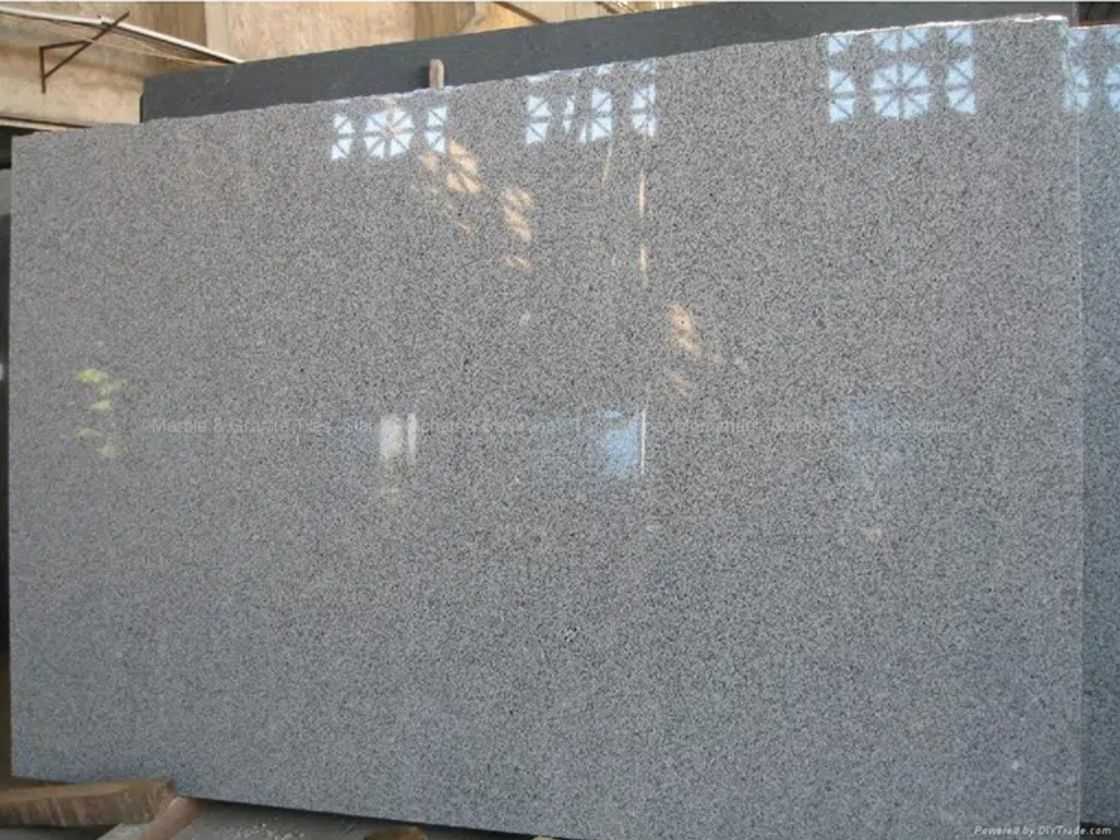
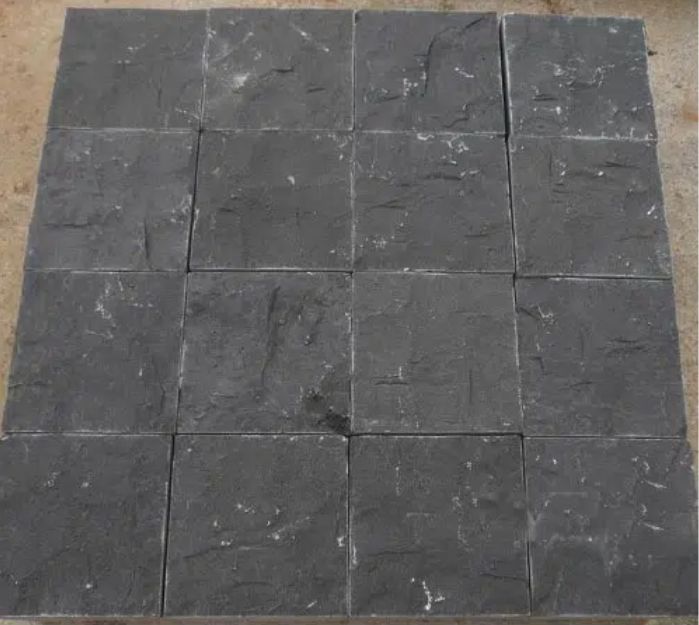

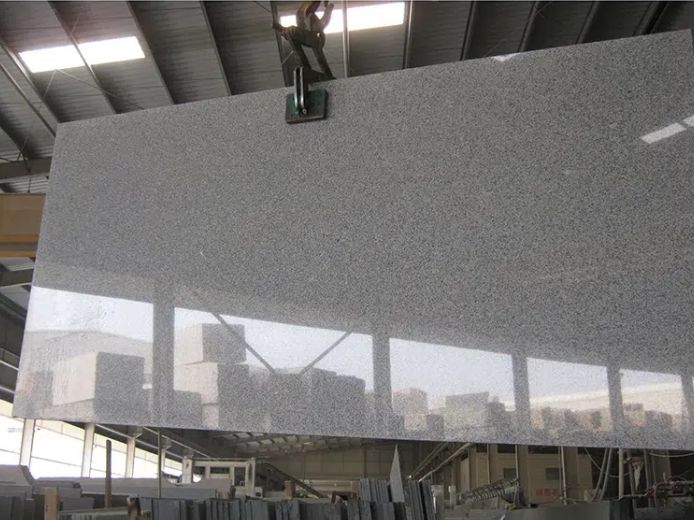
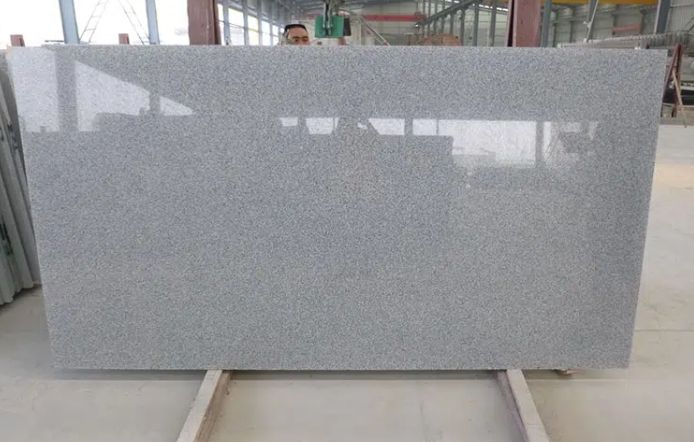
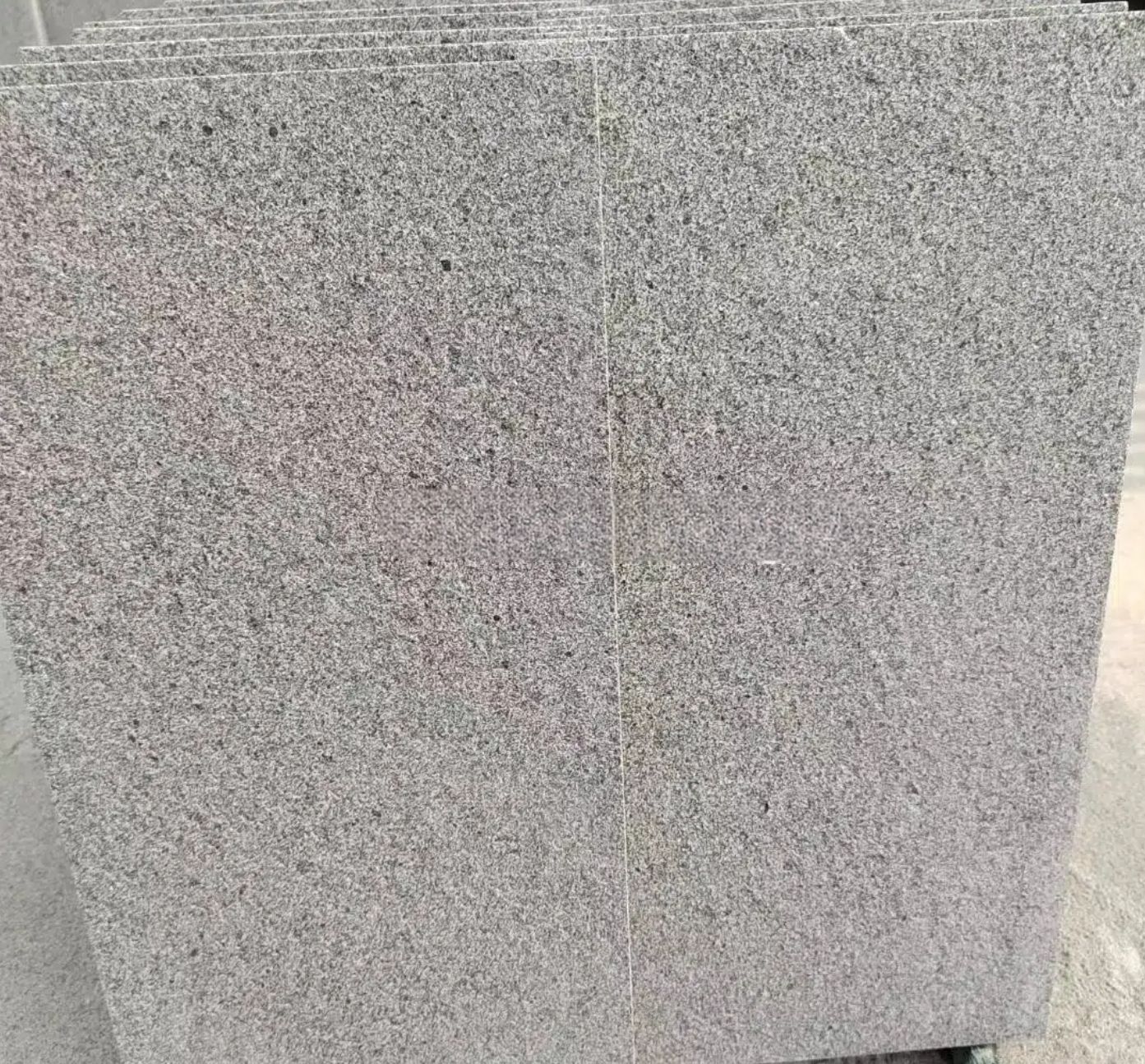

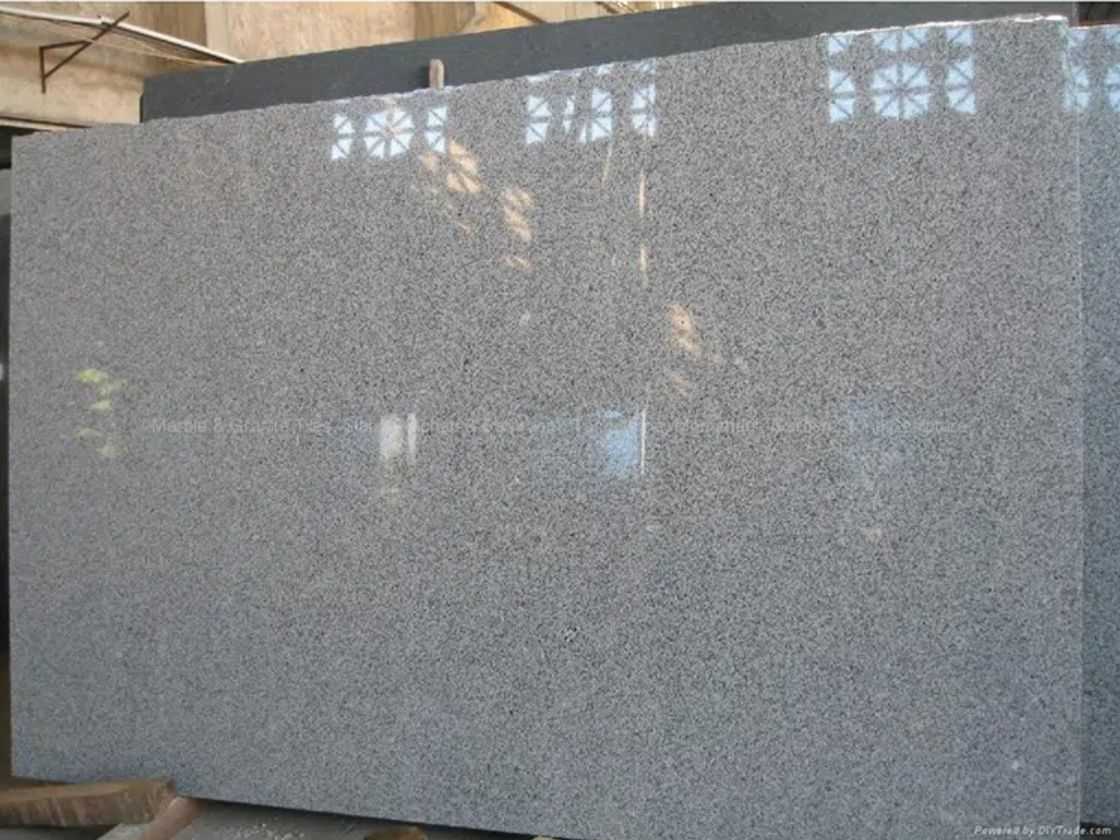
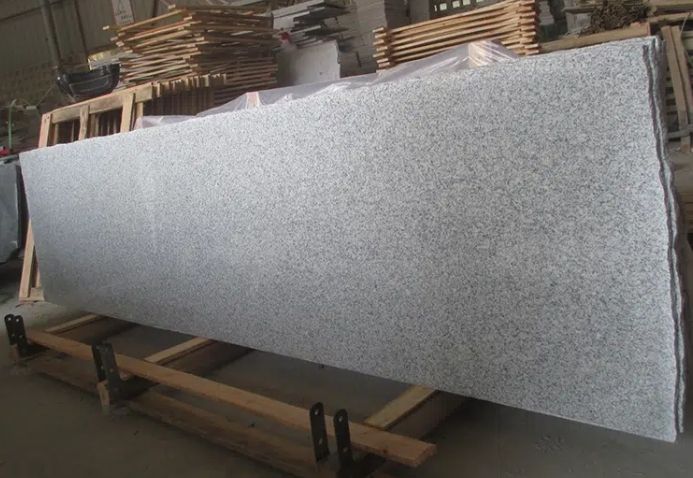
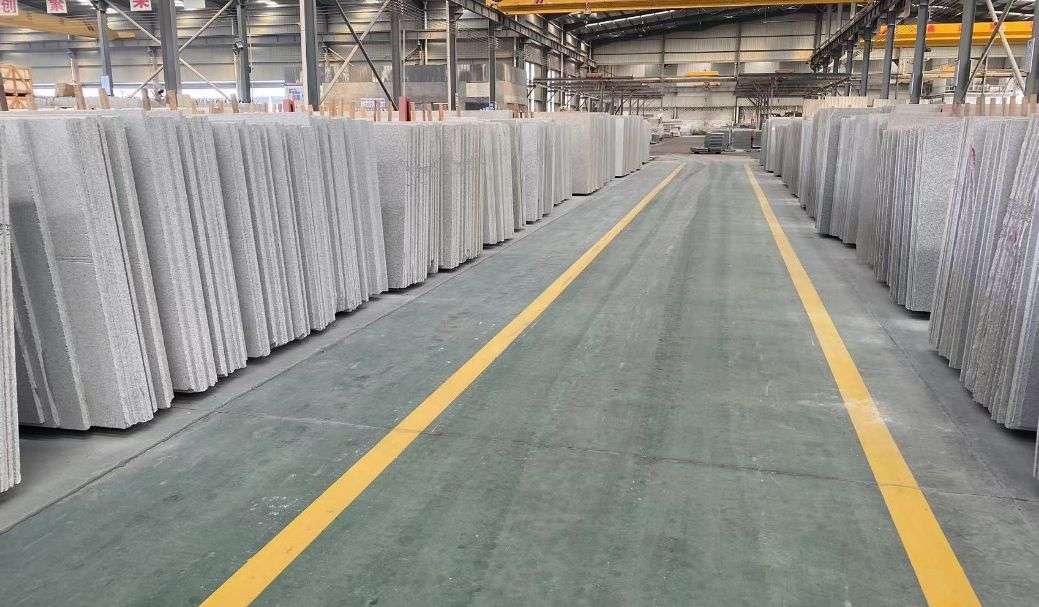
Detailed Specifications
Granite is a hard, dense stone that is easy to work in any climate because it is more forgiving than marble. It is known for its natural qualities, durability and beauty. We at wholesale granite slab granite wholesalers provide our customers a variety of hand-picked granite slabs that can be used for flooring, countertops, interior walls, exterior walls and stairs.Granite is a natural stone quarried around the world.
Key Takeaways
- "Wholesale" covers three different tiers — container lots direct from the factory, discounted stock bundles, and landed distributor stock — and each carries a different quality risk and a different price logic
- Container capacity is usually limited by weight, not volume: roughly 400–450 m² of 20mm slab against about 280–300 m² of 30mm in a 20ft, with one source putting the practical US limit near 19.9 tonnes and Europe near 27 tonnes
- Landed cost is the number to compare, not FOB: US-bound Chinese granite under HTS 6802 carries a 3.7% MFN rate plus a 25% Section 301 tariff, with some 2026 guidance describing further tiers — confirm with your customs broker
We can also cut any shape or size according to your design wishes. Check out more at longtopstone.com !
Specifications
| Specification | Value |
|---|---|
| Material | Natural Granite |
| Color | As shown — multiple color options available |
| Standard Sizes | Slabs: 2400×1200mm to 3000×2000mm | Tiles: 305×305mm to 600×600mm (custom available) |
| Thickness | 10mm / 12mm / 15mm / 18mm / 20mm / 30mm (custom on request) |
| Thickness Tolerance | ±1mm (standard), ±0.5mm (premium, specify in order) |
| Surface Finish | Polished, Honed, Flamed, Bush-Hammered, Flamed + Brushed, Sandblasted |
| Water Absorption | ≤0.4% (ASTM C97) |
| Compressive Strength | ≥130 MPa (ASTM C170) |
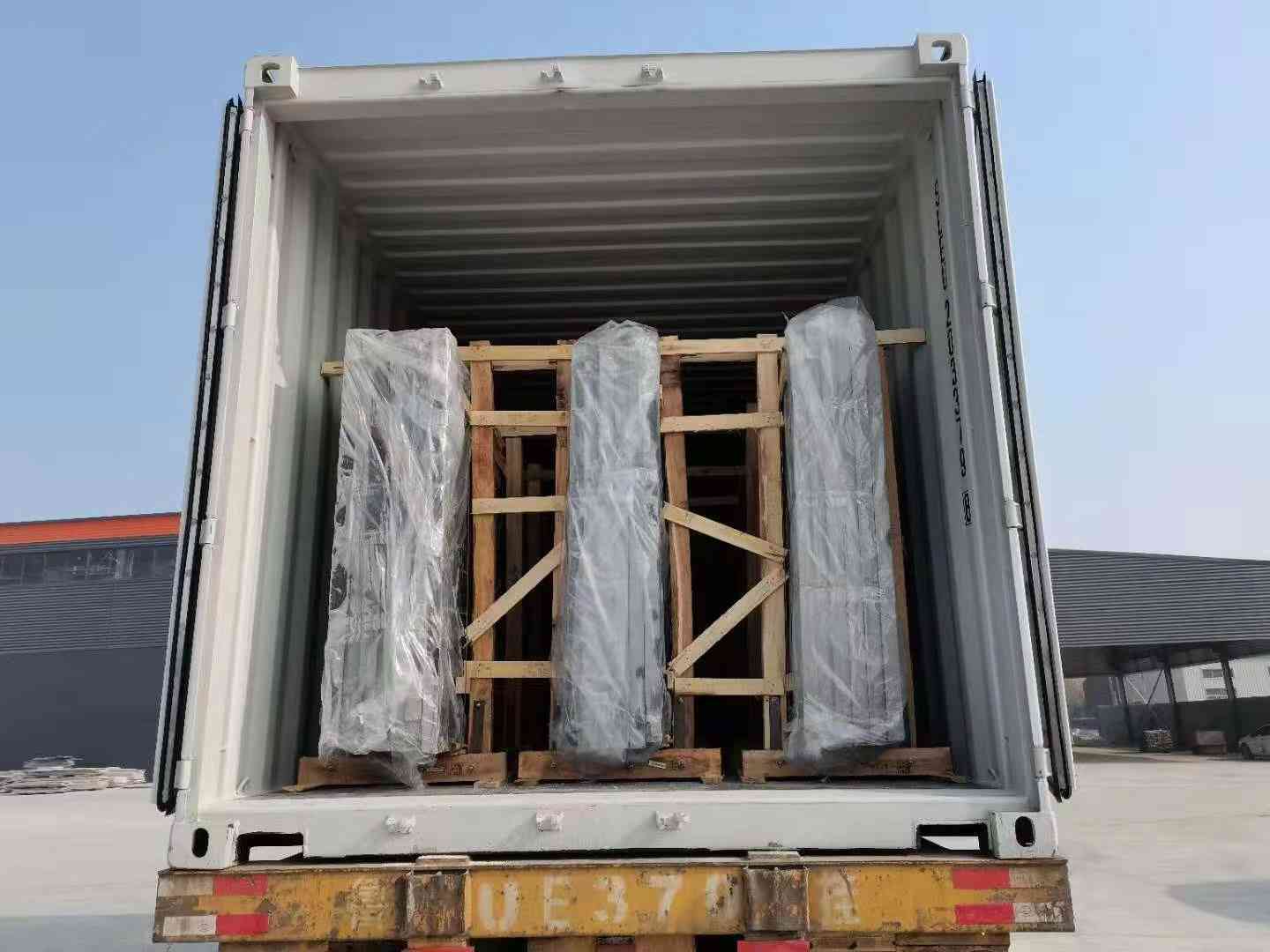
| Packing | ISPM-15 fumigated wooden crates / pallets. Polished faces interleaved with protective sheets. |
| MOQ | 1 × 20ft container (approx. 400-500 m² slabs or 500-1,100 m² tiles) |
| Delivery Time | 15-25 days after deposit confirmation |
| Payment Terms | T/T (30% deposit, 70% before shipment), L/C at sight |
Three Different Things Get Called "Wholesale" Granite
Before comparing prices, it helps to know which tier you are being quoted, because the word wholesale covers three quite different offers and they carry different risks.
- Container lot direct from the factory. This is the real wholesale tier. You buy by the container or a part-container, priced FOB a named Chinese port, with the slabs or tiles cut to your sizes. Price is the lowest and the specification is whatever you wrote down; you carry the quality risk and the working capital.
- Bundle or stock lot. Buying a specific bundle, or the factory's remaining stock, at a discount. Genuine bargains exist, but you are accepting someone else's grade and thickness mix, and the lot will not repeat when you reorder.
- Landed stock from a distributor. No minimum, fast delivery, and you pay the landed cost plus a margin. This is the right tier when you need 60 m² next week. It is the wrong tier if you are building an import programme, because you are paying someone else's freight and duty.
Which explains the rule worth keeping: a wholesale price far below the market is not a favour. It usually means B-grade with shade variation across the lot, nominal thickness that arrives under, no shade sorting between bundles, no batch test report, or a bundle cut from the end of a block. Decide which of those you will accept and which you will not, and put that decision in the purchase order rather than in an email.
Where the stone comes from decides the port. Chinese granite is quarried mainly in three provinces, and each ships from its own port: Fujian (G603, G614, G654 — loading Xiamen), Shandong (G377 Spray White, G682 — loading Qingdao) and Guangdong (G4418 — Xiamen or Shenzhen). The quarry province fixes the loading port, and the port fixes both the inland haulage and the sailing schedule. "FOB China" without a port named is not a shipping term.
Container Maths: Why the Limit Is Weight, Not Volume
Granite is dense — about 2.6 to 2.8 tonnes per cubic metre — so a container of slabs runs out of payload long before it runs out of space. Trade indications put a 20ft container at roughly 400–450 m² of 20mm slab but only about 280–300 m² of 30mm slab, and a 20mm slab costs roughly a third less per square metre to ship.
Reality is messier than any rule of thumb. Published customs and bill-of-lading records for granite slabs shipped in 20ft containers show anything from 22 to 65 slabs in 2 to 8 bundles, with cargo weights from about 7.5 tonnes to about 23.5 tonnes. That spread is normal: slab dimensions, thickness and whether the buyer mixed colours all change the count. A part-loaded container is a legitimate shipment, not a suspicious one.
What you should do is set the quantity from the payload limit rather than from the supplier's m² figure:
- At 20mm and about 54 kg/m², a 400 m² load is roughly 21.6 tonnes.
- At 30mm and about 81 kg/m², a 300 m² load is roughly 24 tonnes.
- One published logistics source puts the practical 20ft cargo limit at roughly 27 tonnes for Europe and about 19.9 tonnes for the United States. On a US lane, both of the loads above are already at or past the limit.
Confirm the payload limit for your own route and destination with your freight forwarder, then work back to a square-metre quantity. That way the order you place is one the container can legally carry — not one the supplier can fit in the door.
How slabs are packed to survive that weight. Granite has high compressive strength but low tensile strength, so slabs are never laid flat. They travel vertically on A-frames at roughly 75–80°, leaning against a central spine so the mass sits over the centre of gravity, with anti-slip pads and strapping holding the bundle. Bundle frames normally carry the block number, bundle number and slab sequence numbers, which is what lets you trace a slab back to its block after arrival. Ask for the packing list with frame and bundle numbers so you can reconcile it against what you unload. Tiles and cut-to-size pieces travel differently: in reinforced wooden crates with internal padding and edge protection, not on A-frames.
Pre-Shipment Inspection: the Six Checks That Matter
- Shade and pattern across the whole lot, with the bundles photographed before the container is closed. Shade is a lot-level property: approving one bundle tells you nothing about the rest.
- Thickness, measured with a caliper at several points per slab. Loose tolerance is the most common hidden downgrade on a wholesale lot, and it appears as lippage on site.
- Ring test each slab with a rubber mallet. A clear, metallic ring means sound stone; a dull thud points to an internal crack that will open when the slab is lifted.
- Wet the unpolished back of a slab. Hairline fissures and unseen cracks read as dark lines once the surface is wet.
- Resin treatment and mesh backing. Both are legitimate — resin fills natural pits and reinforces microfissures, mesh backing stabilises the slab in transit and during fabrication — but they change how the stone behaves. A resin-treated slab takes up less sealer than an untreated one of the same type, resin can yellow under prolonged UV on light stones, and it softens with strong solvents such as acetone. Ask for the disclosure in writing.
- Dye check on dark material. Wipe a clean white rag with acetone, then with MEK, across the surface. Any colour transfer means the granite has been dyed, and dyed dark granite fades back toward its true colour with nothing more than water and a mild cleaner. The fade shows as blotches across an installed floor or facade, not as a gradual even change.
A third-party inspection from SGS, Bureau Veritas or an equivalent issuing a Quality Inspection Certificate is normal practice when payment is by letter of credit, and it is worth the fee on a first order from any new supplier even when nothing requires it.
Landed Cost: What You Actually Pay Beyond FOB
FOB covers the stone and delivery to the named Chinese port. On top of it sit ocean freight, marine cargo insurance, destination terminal handling and inland delivery, customs duty and — for the United States — the Section 301 tariff on Chinese-origin goods. This is where a "cheap" FOB quote stops being cheap, and it is the part of the calculation most first-time importers underestimate.
Current published guidance for the US market: granite classified under HTS heading 6802 carries a 3.7% general (MFN) rate plus a 25% Section 301 tariff, an effective rate often quoted at about 28.7%, and some 2026 sources describe an additional 10–12.5% tier that can push all-in exposure past 35%. Section 301 is origin-based rather than route-based, so goods that are a product of China can attract it even when shipped from a third country, and misclassification is a real risk — engineered stone is sometimes entered under a different heading, and customs authorities can and do reclassify, with back-duty, penalties and demurrage following. Confirm the exact 10-digit line, the origin and any Chapter 99 reporting with your own customs broker before you commit to a price. This is the line item that changes most often and by the most.
Classification is not a detail. 6802.23 covers granite that is merely cut or sawn with a flat, even surface; 6802.93 covers granite further worked — polished slabs, for example. Crude blocks of uniform size fall in Chapter 25 (2516.12). Rates differ between those lines and between destination countries, so the duty you pay depends on how far the stone has been worked and where it enters, not on what the trade name says.
How to compare two wholesale quotes honestly. Compare landed cost per square metre against an identical specification: same thickness, same finish, same thickness tolerance, same packing, same spare allowance, same named port, same Incoterm. Any comparison that skips one of those is not a comparison, it is a price. And fix the commercial terms in writing before production: the named loading port; whether the price is FOB, CFR or CIF; which origin charges are excluded; the payment terms; the delivery window from deposit; and your right to inspect and reject before the balance payment is released.
Where to read next
- Granite slab and tile supply and G602 granite tiles
- Granite paving, slabs and tiles from the manufacturer
- Granite slabs wholesale guide — grades, sizes and buying direct
- Stone import guide — documentation, Incoterms and customs
- Import duties and tariffs 2026 — rates by destination market
- Container loading guide and supplier verification checklist
Further Reading
Related guides: Granite Slabs Wholesale · Granite Countertop Cost Guide
Standards & references: ASTM C615 Granite Standard · EN 12057 Natural Stone Tiles
Frequently Asked Questions
What is the minimum order for wholesale granite slabs from China?
The practical minimum for factory-direct wholesale is one 20ft container, because the stone is priced and packed for container shipment. How much that is depends entirely on thickness: trade indications put a 20ft at roughly 400-450 m2 of 20mm slab but only about 280-300 m2 of 30mm slab. Published customs records show real granite slab shipments ranging from 22 to 65 slabs in 2 to 8 bundles, with cargo weights from about 7.5 to about 23.5 tonnes, so a part-loaded container is normal. If you need less than a container, buy landed stock from a distributor instead - you will pay a margin, but you avoid the freight and duty administration.
How many square meters of granite slabs fit in a 20ft container?
It depends on thickness, and the limit is usually weight rather than volume. Granite is about 2.6-2.8 tonnes per cubic metre, so a 20ft container is generally quoted at roughly 400-450 m2 of 20mm slab and about 280-300 m2 of 30mm slab. Check that against the payload limit: at about 54 kg/m2 a 400 m2 load of 20mm is roughly 21.6 tonnes, and at about 81 kg/m2 a 300 m2 load of 30mm is roughly 24 tonnes. One published logistics source puts the practical 20ft cargo limit at about 27 tonnes for Europe and about 19.9 tonnes for the United States. Confirm the limit for your route with your forwarder before you fix a quantity.
What is the difference between FOB and landed cost on granite slabs?
FOB covers the stone plus delivery to the named Chinese port. Landed cost adds everything after that: ocean freight, marine cargo insurance, destination terminal handling and inland delivery, customs duty, and for the United States the Section 301 tariff on Chinese-origin goods. Published US guidance for granite under HTS heading 6802 is a 3.7% general rate plus a 25% Section 301 tariff, an effective rate often quoted around 28.7%, with some 2026 sources describing an additional 10-12.5% tier. Because freight and duty move independently of the stone price, always compare quotes on landed cost per square metre at an identical specification - same thickness, finish, tolerance, packing and named port.
How do I check whether a granite slab has been dyed or resin-treated?
For dye, wipe the surface with a clean white rag and acetone, then with MEK. Any colour transfer means the granite has been dyed, and dyed dark stone fades back toward its true colour with nothing more than water and a mild cleaner, showing up as blotches across an installed floor or facade. For resin, you generally have to ask: resin treatment fills natural pits and reinforces microfissures and is legitimate, but it changes how the stone behaves. A resin-treated slab takes up less sealer than an untreated one, resin can yellow under prolonged UV on light stones, and it softens with strong solvents. Get both disclosed in writing on the order.
Which Chinese port will my granite ship from?
It depends on which province the stone is quarried in, because that fixes the loading port, the inland haulage and the sailing schedule. Fujian granites such as G603, G614 and G654 load from Xiamen; Shandong granites such as G377 Spray White and G682 load from Qingdao; Guangdong material such as G4418 loads from Xiamen or Shenzhen. Because the port affects inland freight and schedule reliability, always name the loading port in the FOB term rather than accepting a generic FOB China quotation.
Related Resources
- Quality Control Standards — ASTM / EN testing and 6-stage inspection process
- Container Loading Guide — Maximize your shipment efficiency
- Request a Quote — Get pricing and availability for this product
Related Products
Inquire About This Product
Contact us for pricing, samples, or custom specifications.
Get a Quote